Pope Leo Says Cycling Can Be a Metaphor for Abundant Life
Pope Leo XIV told cycling officials and athletes on Monday that the bicycle can foster the interior life and even become an instrument of evangelization.
The facts come first below. My opinion follows in the section marked as opinion.
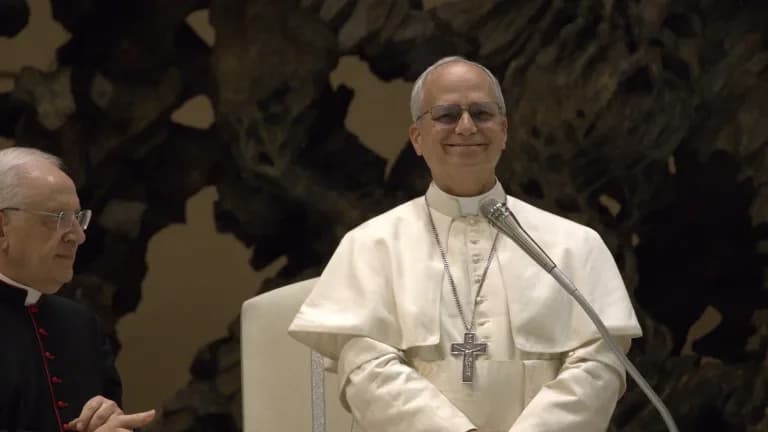
Pope Leo XIV on Monday told cycling officials and athletes that their sport can be understood as a metaphor for a life of faith, according to the official English text of his greeting in the Vatican's Clementine Hall. Vatican News, in a report by Christopher Wells dated Nov. 23, also covered the meeting, which was promoted by the Union Cycliste Internationale.
"Cycling is indeed one of the most popular and beloved sports in the world," the pope said in the official text. "Moreover, the bicycle is part of the history and identity of many cultures." On the one hand, he said, it is "a practical means of getting around with ease and embracing a healthy lifestyle"; on the other, "it can also offer opportunities for meaningful spiritual experiences."
The pope greeted Cardinal José Tolentino de Mendonça, prefect of the Dicastery for Culture and Education, and David Lappartient, president of the Union Cycliste Internationale, according to the official text. He said the visit brought to mind the cyclists taking part in the Giro d’Italia, whom he welcomed and blessed in the first days of his pontificate. Vatican News likewise reported that the pope was speaking to participants in a meeting promoted by the Union Cycliste Internationale, and that he recalled his own experience of following cycling events.
Victories and defeats, he said, "reflect the values and challenges that make up human existence." Cycling can thus be understood as a metaphor for that "life in abundance" which is characteristic of every authentic sporting experience, the official text said, citing his Letter on the Value of Sport of Feb. 6, 2026.
The pope said a passion for cycling may also reveal a spiritual dimension "that does not separate itself from physical exertion but rather ennobles it." Cycling, he said, offers chances to seek places of silence and contemplation, "where we can cultivate an attentive appreciation of creation, away from the noise and traffic of the city." In a society that risks reducing the relationship with the environment to production and consumption, "the humble way of traveling by bicycle can offer a valuable means of nurturing our interior life," according to the official text.
He quoted the French Catholic writer Madeleine Delbrêl, who associated spirituality with the bicycle. In the journey of faith, she observed that "a little like a bicycle that will only stay upright when it is on the move," people can bear fruit only "if we keep moving, launching ourselves forward in an élan of Love," the official text said, citing her book The Joy of Believing.
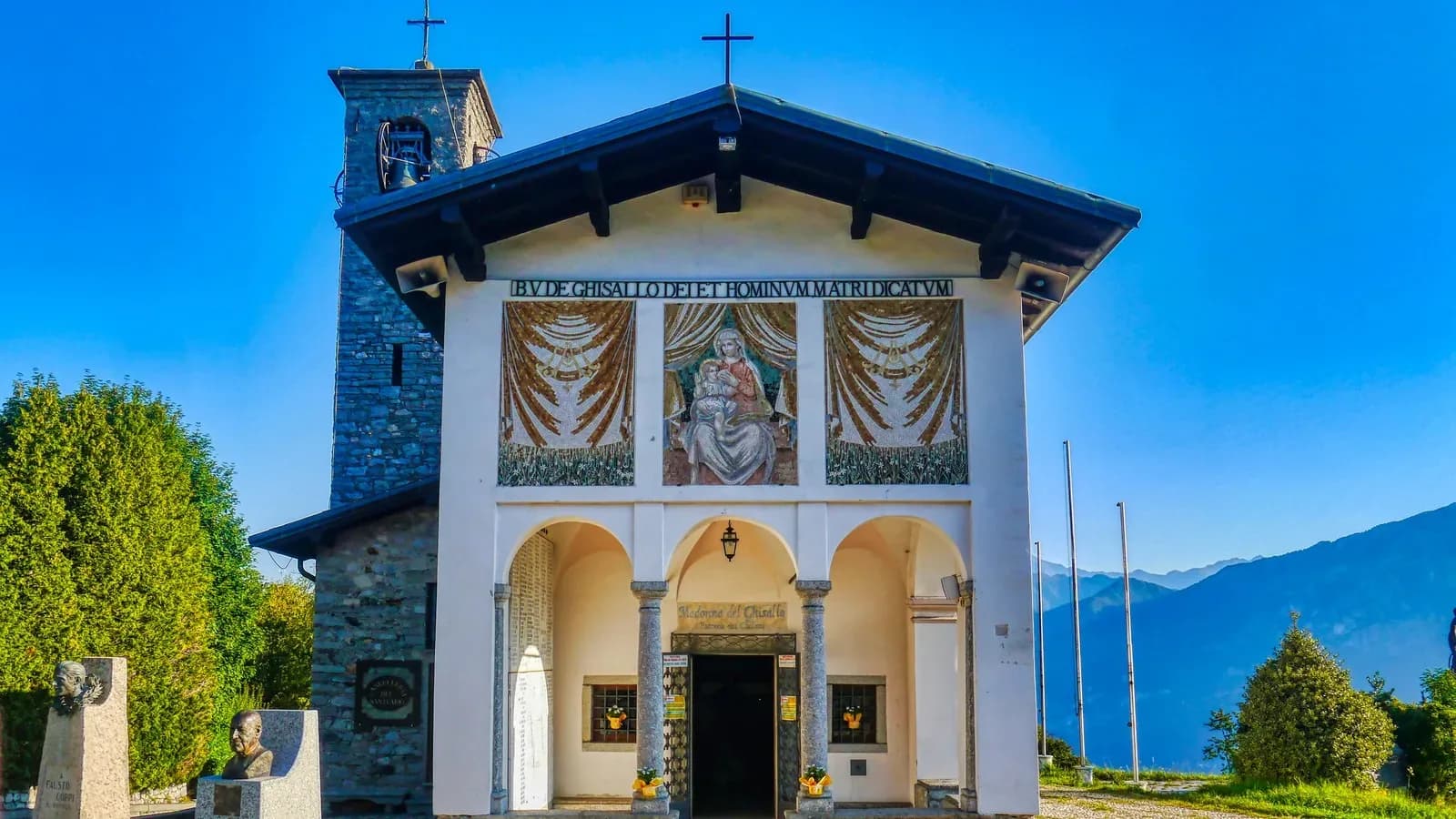
The pope also pointed to the mountain-top finishes of classic races, where a shrine or votive chapel is often found. He recalled that Pope Pius XII proclaimed Our Lady of Ghisallo the patroness of all cyclists on Oct. 13, 1949, and said devotion to her has brought several pilgrimages of cyclists to the Vatican, "bearing witness to the fact that the bicycle can even become an instrument of evangelization," according to the official text.
He noted that the bicycle belonging to Blessed Father Giovanni Fornasini, a martyr, is preserved in Bologna. Fornasini used it to travel from village to village, encouraging the people and bringing them the sacraments, and "was killed in 1944, at the age of twenty-nine," the official text said. Mindful of that history, the pope encouraged leaders, race organizers, and experts "to ensure that this sport continues to foster experiences of authentic humanity."
He asked those present to remember cyclists who have lost their lives in road accidents, including professionals, amateurs, and people who used a bicycle to travel to work or study. "Let us remember them in our prayers," the pope said. He concluded by imparting his apostolic blessing. Vatican News also reported that the pope recalled cyclists injured and killed in accidents and invited the faithful to remember them in prayer.
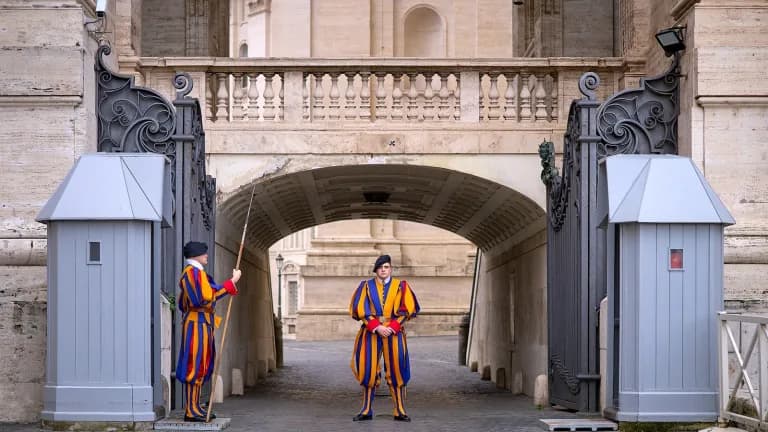
Earlier Monday, Pope Leo also thanked a foundation backing new Swiss Guard barracks, as Dock Line reported. On Sunday he spoke about justice during the Angelus on the solemnity of Christ the King, as Dock Line also reported.
Opinion:
The pope was not issuing a new doctrine on Monday. He was doing something simpler, and more useful: he was reminding a room of athletes and officials that the body is not an end in itself. A bicycle, he said, can be "a practical means of getting around" and also a way to pray, to notice creation, and even to become "an instrument of evangelization," according to the official text. That is a Christian view of ordinary work. The tools in a person's hands can serve God, or they can serve only speed and display.
The line from Madeleine Delbrêl is the one worth carrying out of the hall. Faith, like a bicycle, stays upright when it is moving. A church that only talks about motion, or a believer who never gets on the road, will fall over. The pope also did not forget the dead: the cyclists killed on the road, and a young priest who used a bicycle to bring the sacraments and was murdered for that zeal. Sport, in that light, is not an escape from moral duty. It is one more place where courage, humility, and prayer belong together.