Pope Leo Tells Space Forum to Safeguard Outer Space for Peace
On Saturday, Pope Leo XIV told the International Space Forum 2026 that outer space must be kept from non-peaceful use and that the common good is the goal.
The facts come first below. My opinion follows in the section marked as opinion.
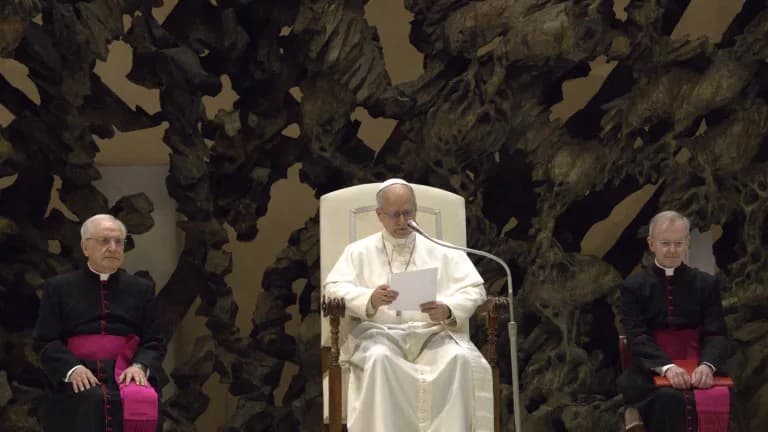
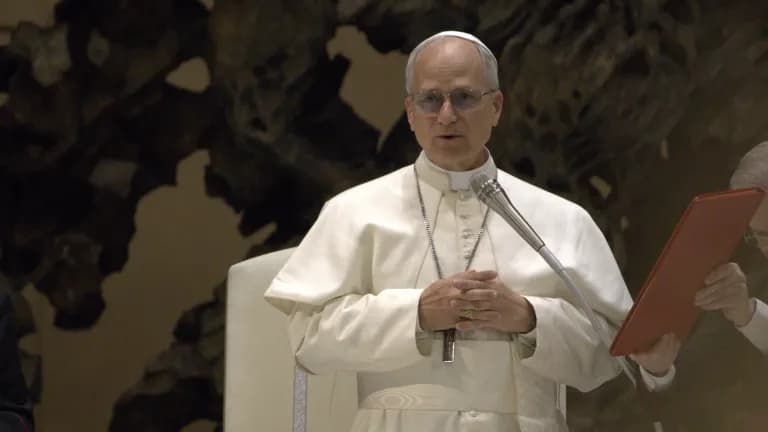
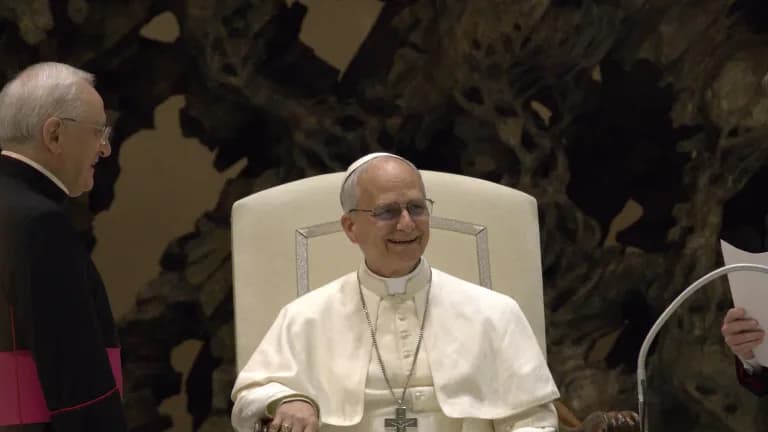
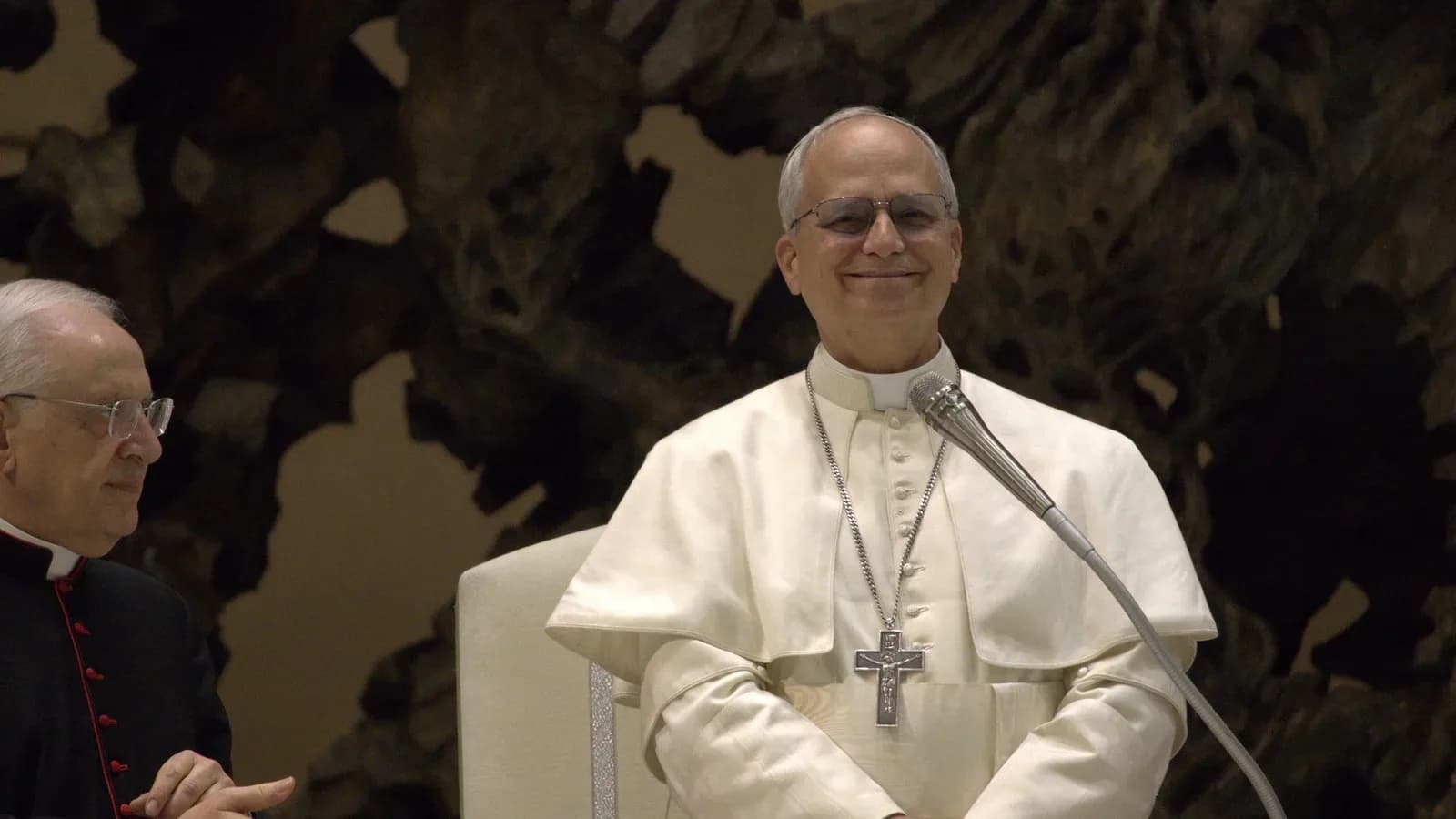
Pope Leo XIV told participants in the International Space Forum 2026 on Saturday that outer space must be safeguarded from non-peaceful use and that scientific work should serve the common good, according to an official Vatican address and a report by Vatican News. The Holy See's daily bulletin for Nov. 21 listed "Participants in the International Space Forum 2026" among the pope's audiences that morning.
In the published address, dated Saturday, Nov. 21, 2026, and delivered in the Vatican, the pope greeted the president of the International Astronautical Federation and the president of the Italian Space Agency, along with the forum's other leaders and participants. He named the meeting's theme as "The Gate to the Sky: Space for Peace."
The pope said he appreciated the choice of the Vatican as the venue for this year's forum, which he said is dedicated to "the urgent need to safeguard outer space from any kind of use or exploration for non-peaceful purposes." He added, in the official text, "I fully share this concern and hope that your voice will receive the attention it deserves in political and legislative forums."
"Space research and missions have long brought people from different countries and cultures together in mutual respect and cooperation, and today, thank God, they continue to do so," he said in the address. "In this way, they reveal one of humanity's finest qualities: the ability to share knowledge and experience in order to reach new goals together in the service of the common good."
The pope said he wanted to emphasize that last point: "the common good is the goal." He then warned, according to the official text, that "if technologies and their applications are not adequately governed in accordance with the principles of ethics, the risks for humanity are enormous, as contemporary history teaches us, and as the present-day regression in integral ecology on a planetary scale sadly demonstrates."
Vatican News, in a Saturday report by Deborah Castellano Lubov, said the pope welcomed participants in the International Space Forum 2026 on Saturday in the Vatican and summarized the same warning. The site said contemporary history bears witness to the danger, and that a present-day regression in integral ecology shows the consequences of failing to uphold ethical principles. It also said the pope concluded by imparting his apostolic blessing and wishing the participants success in their work.
Those who study space, the pope said in the address, "help us to adopt a broader perspective on the world." He continued, "You invite us to look at it as a whole, and to understand that the interests which lead people to wage war and exploit creation reveal a shortsighted outlook, often shaped by the idols of power and wealth."
The pope then thanked the participants. "I am also pleased that the Holy See, together with the scholars of the Vatican Observatory, continues to contribute to research in the field of astrophysics," he said in the official text. "I cordially bless you and wish you every success in your work."
The short address did not announce a new treaty, a change in Church law, or a named legislative proposal. It asked that the forum's concern for peaceful use of outer space receive attention "in political and legislative forums," a phrase that appears in the official text.
The Saturday audience was a separate event from the pope's dialogue that morning with young people from Italy's Lazio region, reported in Dock Line as Pope Leo Tells Young People of Lazio That Holiness Is a Gift, and from Friday's remarks on aid to Eastern Christians, reported as Pope Leo Calls Aid to Eastern Christians an Essential Work of Hope.
Opinion:
The pope's point is simple, and it is not an attack on science. He praised the cooperation that space work has already required. He was glad the Vatican Observatory is still in the field. Then he drew a line. Knowledge is not the same thing as wisdom, and a new frontier is not a moral holiday. If the tools are not "governed in accordance with the principles of ethics," he said in the address, "the risks for humanity are enormous." That is not a slogan against research. It is a warning against research that answers only to power.
Christians should not be embarrassed by that warning. Scripture does not teach that creation is raw material for whoever can reach it first. The pope said the interests that "lead people to wage war and exploit creation reveal a shortsighted outlook, often shaped by the idols of power and wealth." Those idols are old. They do not become holy because the battlefield, or the mine, is above the atmosphere. If nations carry the same greeds into orbit that have already bloodied the earth, they will not have discovered a higher life. They will have exported a lower one.
He also named the right aim: "the common good is the goal." That phrase, in the address, is the opposite of a race for prestige, weapons, or private spoils. Lawmakers and agencies should hear him. Peaceful use of the heavens will not maintain itself. It has to be chosen, and then guarded. The Church cannot launch the satellites. It can, and should, keep saying that the sky is not a prize for the strong, and that a discovery which cannot be used in peace is not a gift to mankind.