Pope Leo XIV Tells Peru He Is Returning to His Homeland
Pope Leo XIV arrived in Peru and told authorities in Lima that, with gratitude, he is also returning to his homeland. Local authorities estimated a crowd of about three million.
The facts come first below. My opinion follows in the section marked as opinion.
Pope Leo XIV arrived in Peru on Wednesday, opening the third and final leg of his apostolic journey to South America after visits to Uruguay and Argentina, Vatican News reported. The papal plane landed at Callao Air Base, where President Keiko Fujimori and Foreign Minister Carlos Espá welcomed him.
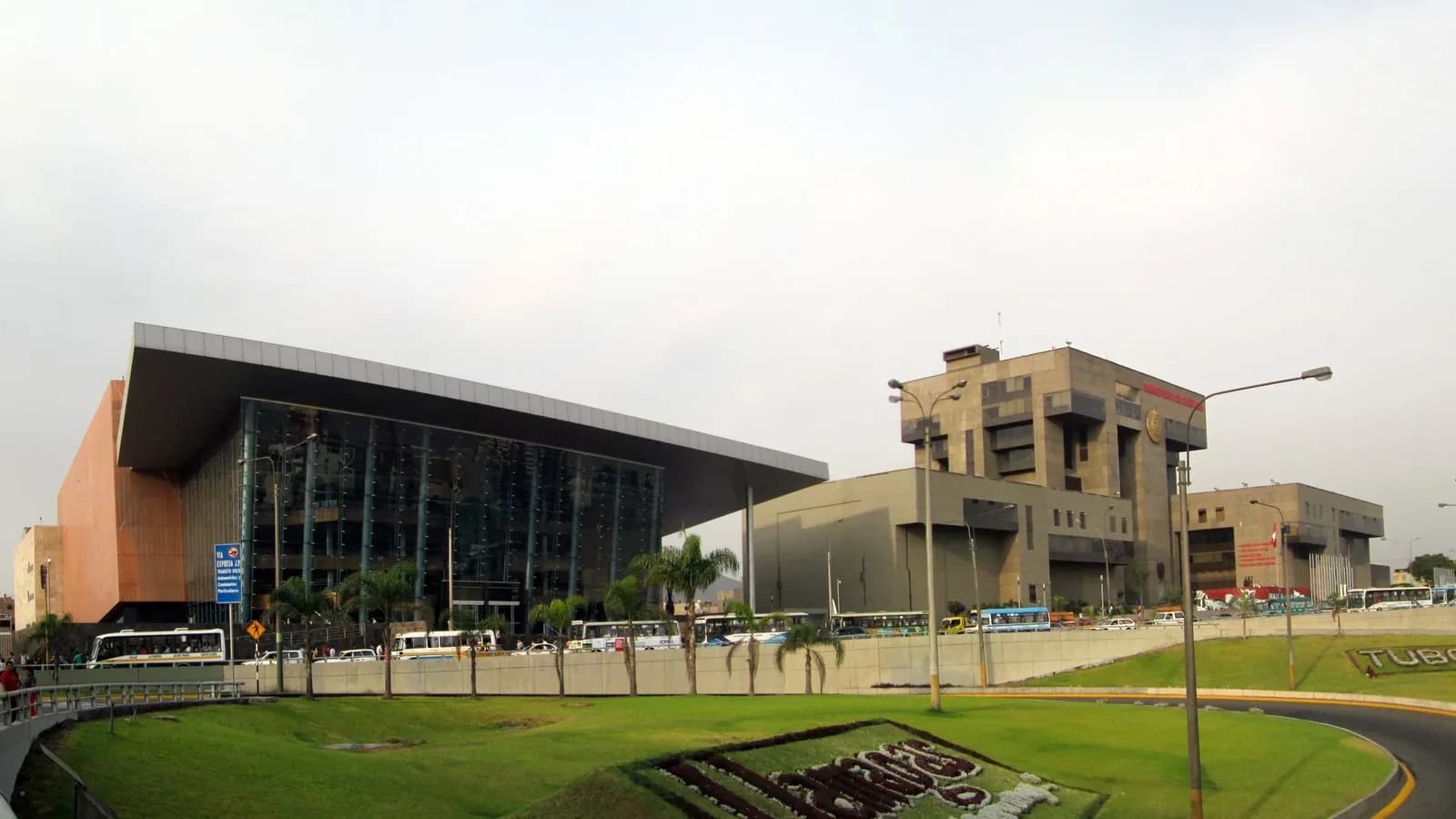
According to estimates by local authorities, approximately three million people were present to welcome the pope, a Vatican bulletin said. National Catholic Reporter wrote that crowds lined a 7-mile route into the city center and that banners on light posts read "the pope returns home." In the Gran Teatro Nacional, NCR reported, he was met with a cheer of "el papa es peruano": "the pope is Peruvian."
His first public address of the visit came Wednesday evening at the Gran Teatro Nacional, where he spoke to authorities, civil society, and the diplomatic corps, the Vatican bulletin said. In the official English text of that speech, the pope said, "This return visit holds a very special meaning for me." He recalled that he had "listened to their concerns, and learned from their faith," and that in 2015 he received Peruvian citizenship. "That act symbolized a bond that this people had been weaving into my life long before," he said. "Today I understand how much of this land remains with me and how much of my own story also belongs to you."
"Now I return as the Successor of Peter, called to serve the universal Church," he said. "In light of this responsibility, I recognize in those years a part of the journey through which the Lord was forming me as a shepherd." He added, "That is why I can tell you, with deep gratitude, that I am also returning to my homeland." The official text is the wording used here. Vatican News also reported the address from Lima.
Vatican News said the visit is the pope's first to Peru since his election and that he served there for many years as an Augustinian missionary and later as bishop of Chiclayo, from 2015 to 2023. National Catholic Reporter noted that the Chicago-born pope had served in Peru for more than two decades as a missionary priest and bishop, and that he was naturalized as a Peruvian citizen in 2015 because the country's law requires bishops to be Peruvian citizens.
The pope urged that painful history be handled with care. "Past events deserve to be treated with justice and sensitivity, leaving room for harmony to grow and for differences to be addressed with respect," he said in the official text. He also said, "Democratic life implies recognizing that no one has all the answers and that differences do not prevent us from sharing a sincere concern for the good of the country." He encouraged listeners "to cultivate honesty, integrity, and a willingness to engage with others."
He turned to what he called "everyday peace," including the dignity of ordinary work, and said there are goods that economic prosperity cannot replace: "peace of conscience, the certainty of being loved, and the freedom to seek the truth and to guide one's life according to it." On wars and tensions abroad, he called for "diplomacy that keeps dialogue open, respects international law, and seeks agreements that protect the lives and dignity of people," according to the official text.
The pope is scheduled to meet Peru's bishops and preside at Midday Prayer in Lima's cathedral on Thursday, then take part in a meeting in the square outside the cathedral, Vatican News reported. On Friday he is to return to Chiclayo to celebrate Mass on the Pampas de Pimentel. The visit is also due to take him to Cusco and Pucallpa, with a return to Lima for Mass on Nov. 16 before he departs for Rome. The Peru stop follows his final Mass in Argentina, which Dock Line reported: Pope Leo XIV Calls for Reconciliation at Final Argentina Mass in Luján.
Opinion:
A pope who says he is also returning to his homeland is not reciting a travel itinerary. He is telling the truth about a life. Peru formed him as a missionary and a bishop. Gratitude for that formation is fitting. So is the warning that public life requires honesty, integrity, and justice for wounds that have not healed.
Everyday peace is not a slogan. It is a father going to work without fear and coming home in one piece. It is a clear conscience and the freedom to seek the truth. No government, and no crowd of millions, can replace those goods with pageantry.
Love of a people is not the same thing as a political campaign, and the Gospel is not a national brand. If the pope meant what he said about treating the past with justice and sensitivity, then old scores should be faced in the light, not buried under flags. Peru, like every country, needs shepherds and public servants who tell the truth and keep their word.