U.S. Bishops Urge Senate to Extend Haiti's Temporary Protected Status
In a Nov. 10 letter, two USCCB chairmen asked the Senate to pass S. 4814, citing violence in Haiti and weekly deportation flights. The letter is a request, not a new law.
The facts come first below. My opinion follows in the section marked as opinion.
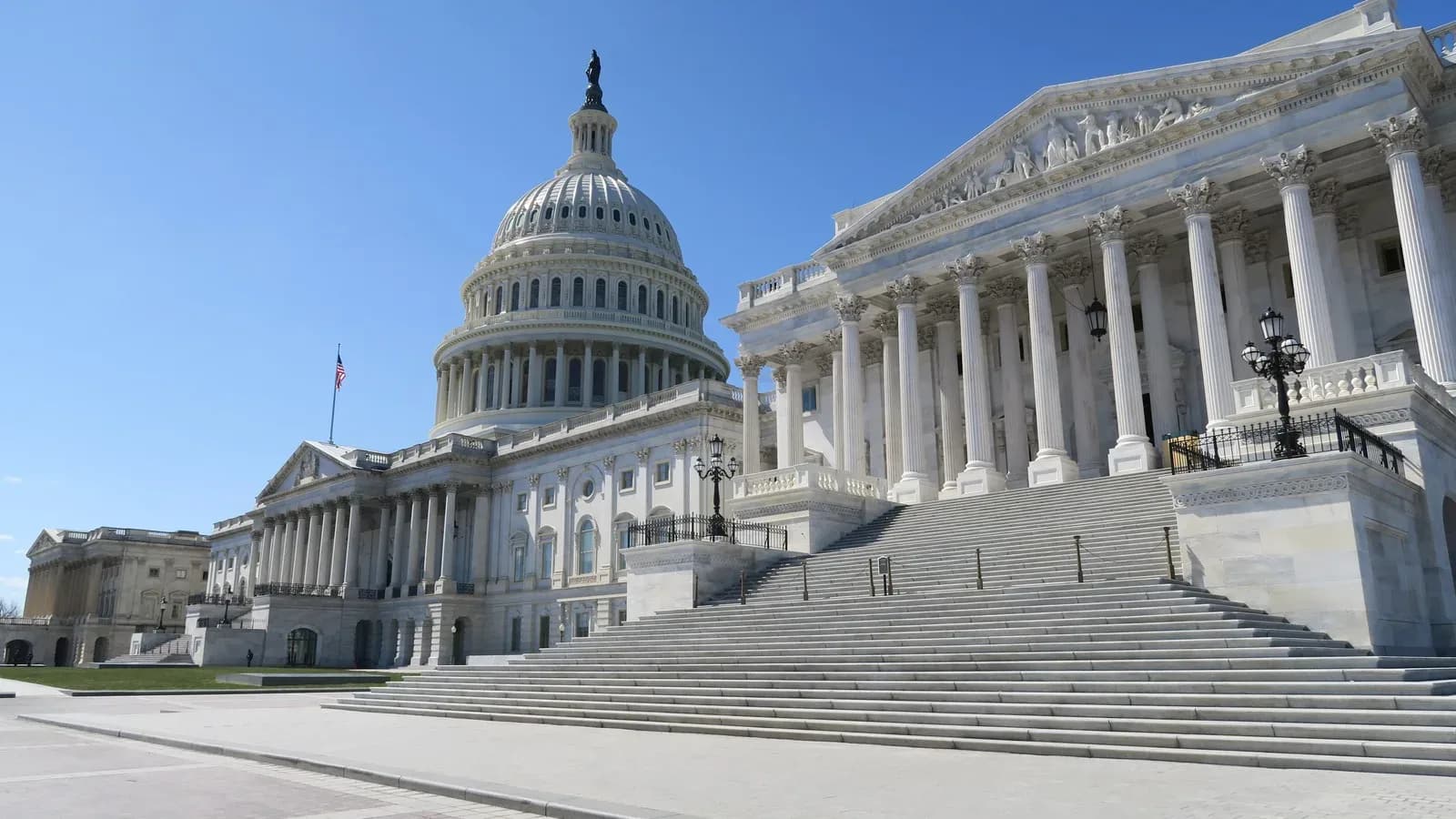
Two committee chairmen of the U.S. Conference of Catholic Bishops have asked the Senate to pass legislation extending temporary protected status for Haitians, citing violence in Haiti and weekly deportation flights, in a Nov. 10 letter to every U.S. senator.
The letter, signed by Bishop-designate Brendan J. Cahill of Joliet, chairman of the USCCB Committee on Migration, and Bishop A. Elias Zaidan of the Maronite Eparchy of Our Lady of Lebanon, chairman of the Committee on International Justice and Peace, was posted by the bishops' conference and reported on Nov. 11 by EWTN News.
The chairmen wrote, "We urge you to work with Senate leadership toward the passage of S. 4814, requiring extension of Haiti's temporary protected status (TPS) designation." They added, in the same letter, "The House already passed this important legislation on a bipartisan basis in April (H.R.1689)."
TPS is a legal immigration status for eligible people already in the United States who come from countries judged unsafe to return to because of conflict, disaster, or other extraordinary conditions, EWTN News reported. The bishops' letter said Congress created TPS "to extend humanitarian relief to those who are already present in our country and face extraordinary conditions such as these if returned to their homeland."
The chairmen wrote that a September appeal to President Donald Trump by Archbishop Paul S. Coakley, president of the USCCB, referenced "one of the recent and brazen acts of violence" in Haiti "which resulted in the death of 47 people and dozens more being kidnapped, including children." They said Pope Leo XIV had described the attack as a "grave massacre," and they wrote, in the letter, that this and the lack of justice afterward "help to demonstrate why it is unacceptable and untenable to forcibly repatriate hundreds of thousands of Haitians at this time."
They also wrote, in the letter, "This conclusion is bolstered by the absence of an orderly reception system and the lack of coordination needed to safely receive large numbers of repatriated families." And they said, "Under these circumstances, we are deeply troubled by the deportation flights that have been departing for Haiti on a weekly basis since August."
The letter did not treat public safety as an afterthought. "As we have also said previously, the extension of TPS through S. 4814 would in no way prevent immigration and law enforcement officials from addressing those who pose genuine threats to public safety and security," the chairmen wrote in the USCCB letter. "We affirm this as a legitimate responsibility of the government."
They also asked Congress, in the same letter, to work with the administration "to pursue broader reforms that provide expanded opportunities for longtime residents of American communities, such as Haitians and others with TPS, to achieve a more durable legal status, something President Trump expressed openness to in the last few days." They wrote that they "pray that, in its remaining weeks, the current Congress, along with the incoming 120th Congress, will devote more attention to the situation facing both Haitian families in the United States, especially those who have recently been stripped of their legal protections, and the human tragedies unfolding in Haiti itself."
A letter to the Senate is a request, not a passed bill and not a change in status. The bishops also wrote of the Haitian church, which they said has become a target of gang violence, with clergy and religious killed or kidnapped and churches destroyed. Dock Line recently reported on a separate U.S. bishops story in Theologians Urge U.S. Bishops to Speak on Peace Ahead of Baltimore Meeting.
Opinion:
Haiti's agony is not a talking point. A massacre, kidnappings, and a church under attack are reasons for moral seriousness. The bishops are right to refuse indifference toward people who would be sent back into chaos.
They are also right, in the same letter, to say that extending a temporary legal status would not bar the government from dealing with people who are a genuine threat to public safety. That distinction matters. TPS is a legal protection for people already present here under extraordinary conditions. It is not a blank check for illegal entry, and a pastoral letter is not a statute. Congress still has to write the law, and it should do so with eyes open: mercy for the vulnerable, enforcement against those who do harm, and no pretense that a press release has settled the policy.
Christians can hold those duties together. The command to welcome the stranger does not cancel the duty of a nation to maintain just borders and lawful status. The command to protect the innocent does not require anyone to pretend that every removal is cruelty. The honest course is to tell the truth about Haiti, tell the truth about the law, and judge S. 4814 on those facts, not on a team's applause.