91 Lawmakers Ask House Leaders to Invite Pope Leo XIV to Address Congress
A bipartisan Oct. 30 letter signed by 91 members of Congress asks House leaders to invite the first American-born pope to a joint session in January. No invitation has been announced.
The facts come first below. My opinion follows in the section marked as opinion.
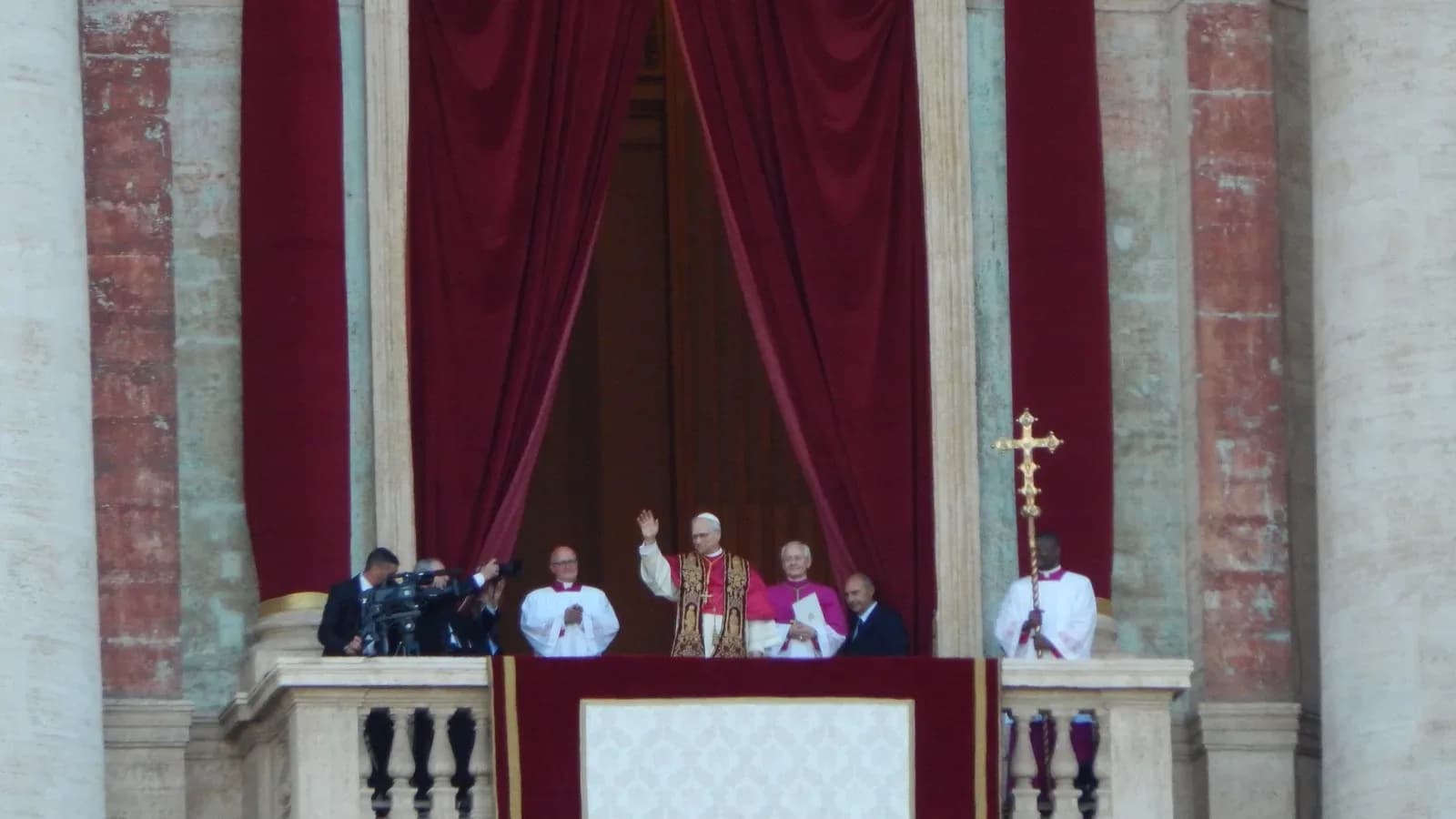
A bipartisan group of 91 members of Congress has asked House leaders to invite Pope Leo XIV, the first American-born pope, to address a joint session at the beginning of the next Congress. The letter is a request, not a scheduled visit, and House leaders have not announced an invitation.
The National Catholic Register, in a Nov. 9 report from EWTN News, and OSV News both describe an Oct. 30 letter led by Rep. Mike Thompson, D-Calif., and Rep. Brian Fitzpatrick, R-Pa., addressed to Speaker Mike Johnson and Democratic Leader Hakeem Jeffries. The lawmakers asked that the Chicago-born pope be invited to speak in January, when the 120th Congress convenes.
What the letter says, and what it does not do
According to the National Catholic Register and OSV News, the letter said, "The election of Pope Leo XIV serves as a sign of great pride for millions of Americans." It continued, "As the first ever American-born Pope, his unique perspective, and ties to our country, would serve as a unifying force for members of Congress." The same letter said, "Following a divisive election, Pope Leo's unifying message of service, compassion for fellow mankind, and the importance of human dignity would be especially timely."
The lawmakers wrote, in the letter quoted by the National Catholic Register and OSV News, that a visit "would offer a much-needed outlook as we navigate complex foreign and domestic issues." They pointed to Pope Francis's 2015 address to Congress, which both outlets note was the first time a pope had spoken to a joint session, and they urged leaders "to work to schedule a joint address as soon as possible in the beginning of the 120th Congress with the first American-born Pope."
The Register reported that neither Johnson's nor Jeffries's offices immediately responded to EWTN News' request for comment. It also cited the Congressional Research Service as saying that invitations of this kind have come from congressional leadership in the past, often together with the executive branch, and that "No formal procedure on when or how to issue invitations is codified in law or in House or Senate rules." A letter from 91 members does not bind the speaker, the minority leader, the White House or the Vatican.
The pope's calendar, and the church's unfinished American business
The Register reported that Leo does not yet have a United States visit on his schedule. It quoted him saying in June, "We were looking at the calendar for the next couple of years. Nothing is set in stone yet, but I certainly hope to be there soon." The same report said he is visiting South America until Nov. 17, with stops in Uruguay, Argentina and Peru. Those travel facts describe a hope and a present itinerary, not an acceptance of a congressional invitation that has not been formally issued.
Catholics already have other national church business in view, including the bishops' fall meeting in Baltimore described in Theologians Urge U.S. Bishops to Speak on Peace Ahead of Baltimore Meeting. A joint session of Congress would be a civic occasion, not a substitute for the church's teaching office, and not a campaign event simply because the election was bruising.
Opinion: Honor the office, and do not confuse a speech with reform
An American-born pope addressing Congress would be historically notable. It would not, by itself, repair a divided legislature or convert a nation. Christians should want public officials to hear a clear word about the dignity of the human person, including the unborn, the poor, the stranger and the worker. They should not pretend that a joint-session invitation is the same thing as repentance, just law or peace.
Popes have the right to preach the Gospel. Members of Congress have the duty to govern. Those roles can meet in a chamber without being merged. If an invitation comes, the country should receive the visitor with courtesy and listen with discernment, measuring the words against Scripture and against the actual record of policy, not against the warmth of a historic first.
Until leaders issue an invitation and the Vatican accepts one, this remains a letter. Treat it as such. Pray for the pope, for Congress and for the country, and do not outsource moral seriousness to a scheduling request.