Theologians Urge U.S. Bishops to Speak on Peace Ahead of Baltimore Meeting
U.S. bishops meet in Baltimore next week. A Tuesday report describes a theologians' letter urging a stronger statement on war and peace; the letter is not a conference vote.
The facts come first below. My opinion follows in the section marked as opinion.
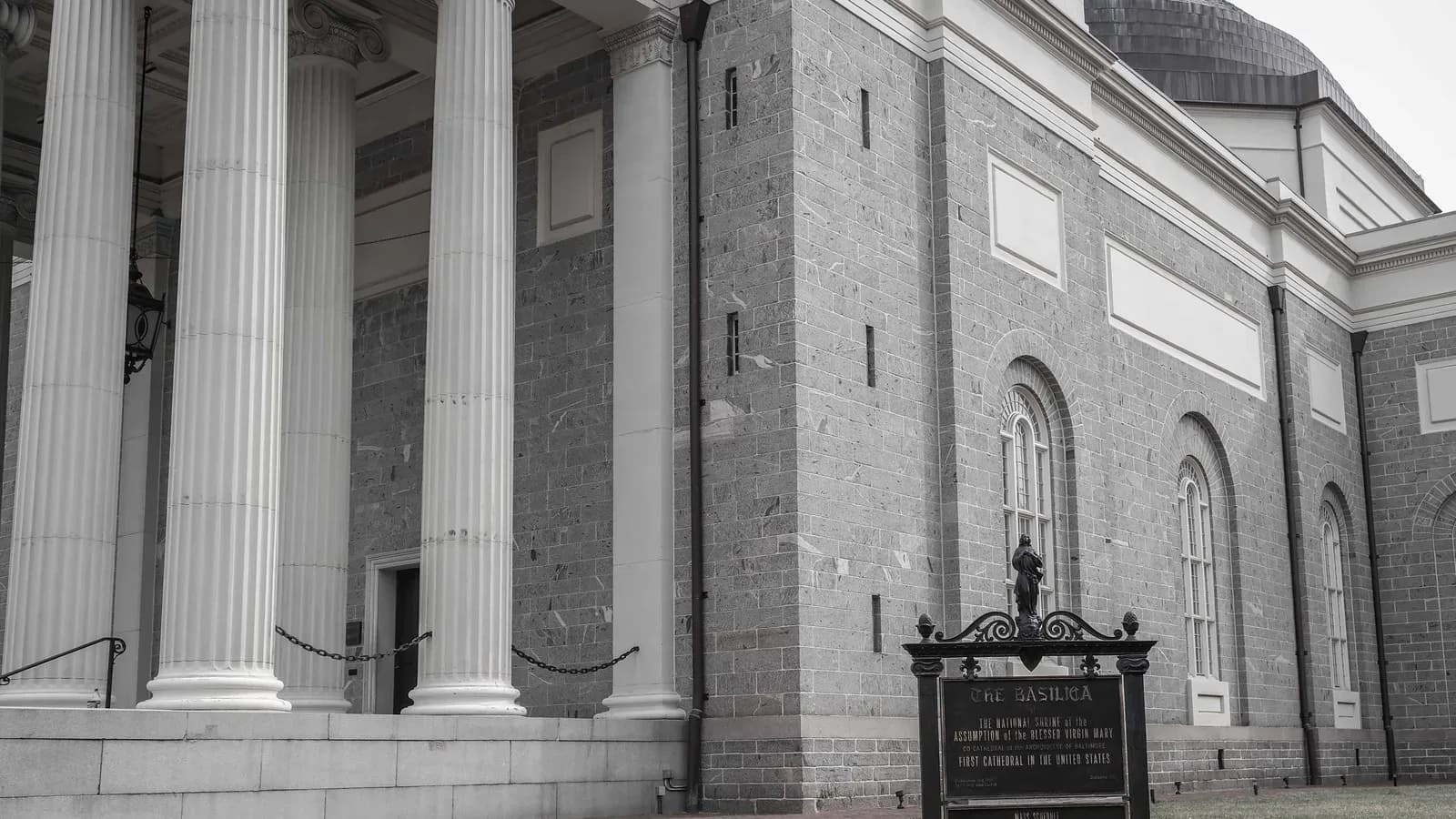
The U.S. Conference of Catholic Bishops will hold its 2026 Fall Plenary Assembly in Baltimore on Nov. 16-19, with public sessions on Nov. 17 and 18 to be livestreamed. As that meeting approaches, the National Catholic Reporter on Tuesday described a letter from 83 Catholic theologians and educators urging the bishops to take a stronger, more unified public stand against the war with Iran and to promote what the scholars call Gospel nonviolence.
The conference's official preview, dated Oct. 20, says the agenda had not yet been finalized and remains subject to change. That preview does not list Iran as a scheduled discussion item. The National Catholic Reporter's Tuesday account of the theologians' letter is an advocacy appeal ahead of the assembly, not a vote the bishops have already taken.
What the bishops have already placed on the calendar
According to the USCCB announcement, the public portion is to begin with an address by Archbishop Paul S. Coakley, the conference president, and the bishops will also hear from Archbishop Gabriele Caccia, the papal nuncio to the United States. They are expected to elect a conference secretary, the chairmen of six committees and a new general secretary. Bishop Kevin C. Rhoades of Fort Wayne-South Bend was elected last November to complete the secretary's term after Coakley became president. The Catholic News Herald reports that the secretary's race is between Rhoades and Bishop Earl K. Fernandes of Columbus, Ohio, and that the committees to be filled include Catholic Education, Communications, Cultural Diversity in the Church, Doctrine, National Collections and Pro-Life Activities. Those elected would serve one year as chairman-elect before beginning three-year terms after the 2027 fall assembly.
The official preview says the agenda is expected to include updates on the new Task Force on Preserving Human Dignity in the Age of Artificial Intelligence; the Committee on Migration, one year after the bishops' Special Message on Immigration; and the Guadalupan Novena. There is also to be a panel on signs of new life in the Church, including a marked increase in the number of people entering the Church and surveys indicating renewed interest in religion among young people. Those survey claims should be read with the same caution Dock Line already urged in Pew Finds Mixed Signals Among Young Adults. Do Not Declare a Revival From One Number.
Expected votes, according to the USCCB and the Catholic News Herald, include a canonical consultation on the causes of beatification and canonization of Maria Middleton and Thomas Steven Vander Woude; updates to financial and investment guidelines; a new edition of the Lectionary for Mass and Book of the Gospels; an annual Day of Prayer for Racial Justice; approval to review and begin updating the pastoral plan for the Secretariat on Pro-Life Activities; and the 2027 conference budget. The Catholic News Herald names Bishop Oscar Cantù of San Jose as the AI task force chairman who is to address the bishops, and Bishop Brendan J. Cahill of Victoria, Texas, as the migration chairman giving an update one year after a special message that opposes "the indiscriminate mass deportation of people."
What the theologians are asking, and what they are not
The National Catholic Reporter says the letter was spearheaded by Kevin Ahern of Manhattan University and Eli McCarthy of Georgetown University. It quotes the scholars writing, "More than seven months into this de-humanizing war, we respectfully ask you and your brother bishops to speak with still greater clarity, urgency, and unity against further warfare," and calling for "a compelling public witness to the nonviolence of the Gospels and ways of just peace." Ahern told the newspaper, "We wanted to remind the church and remind our fellow academics that war is happening." Those characterizations belong to the letter and its organizers. They are not an independent military assessment in this article.
The same report says the letter's 10 proposals begin with public opposition to any renewal or expansion of military action against Iran and to an expanded Pentagon budget, and also urge the bishops to reject nuclear threats, insist on humanitarian access, favor diplomacy and give more attention to conscientious objection. It thanks bishops who have already spoken, including Coakley, who in April, the newspaper says, called on President Donald Trump to "step back from the precipice of war and negotiate a just settlement for the sake of peace and before more lives are lost."
Opinion: Peace is a Christian duty, and a faculty letter is not the magisterium
War is not a video game, and bishops should not treat the shedding of blood as a distant policy memo. Christians are obliged to tell the truth about killing, to pray for peace and to refuse casual justifications for force. That is not the same thing as treating every use of military power as morally identical, or as handing the church's voice to a petition. The just-war tradition exists because both rash war and naive pacifism can fail the innocent.
A letter from 83 theologians is a serious request. It is not a council, not a vote of the body of bishops and not a substitute for facts about a conflict that this article has not independently adjudicated. The bishops should speak clearly where they have knowledge and jurisdiction. They should also finish the work they have already listed: the protection of unborn children, the pastoral care of immigrants, the worship of the church, and a truthful look at new technologies that treat the human person as raw material.
Watch the livestream if you want the record, not a secondhand slogan. Pray for the bishops, for those harmed by war and for public officials who must make grave decisions. Do not confuse advocacy with authority, and do not confuse silence with wisdom until the bishops have actually spoken.