Silent Night Began With a Poem and a Partnership. The Truth Needs No Prettier Legend.
Mohr wrote the words in 1816; Gruber supplied music in 1818. Institutional histories distinguish the first performance from the broken-organ legend.
The facts come first below. My opinion follows in the section marked as opinion.
Silent Night did not begin as a song whose words and melody appeared together in a single inspired moment. Joseph Mohr wrote its text in 1816. Franz Xaver Gruber supplied the music two years later, and the pair performed it on Christmas Eve in Oberndorf near Salzburg.
For American readers preparing for the Christmas season, that documented history is worth separating from the legends. This evergreen account uses the Austrian Commission for UNESCO's cultural-heritage entry and the Silent Night Society's history, including its reproduction of Gruber's later account of the first performance.
A poem first, a melody later
The Austrian Commission's entry dates Mohr's lyrics to 1816 in Mariapfarr, in Salzburg's Lungau region. It says Gruber set them to music two years later. The dates establish a collaboration over time, not a story in which both men wrote the entire carol on the same evening.
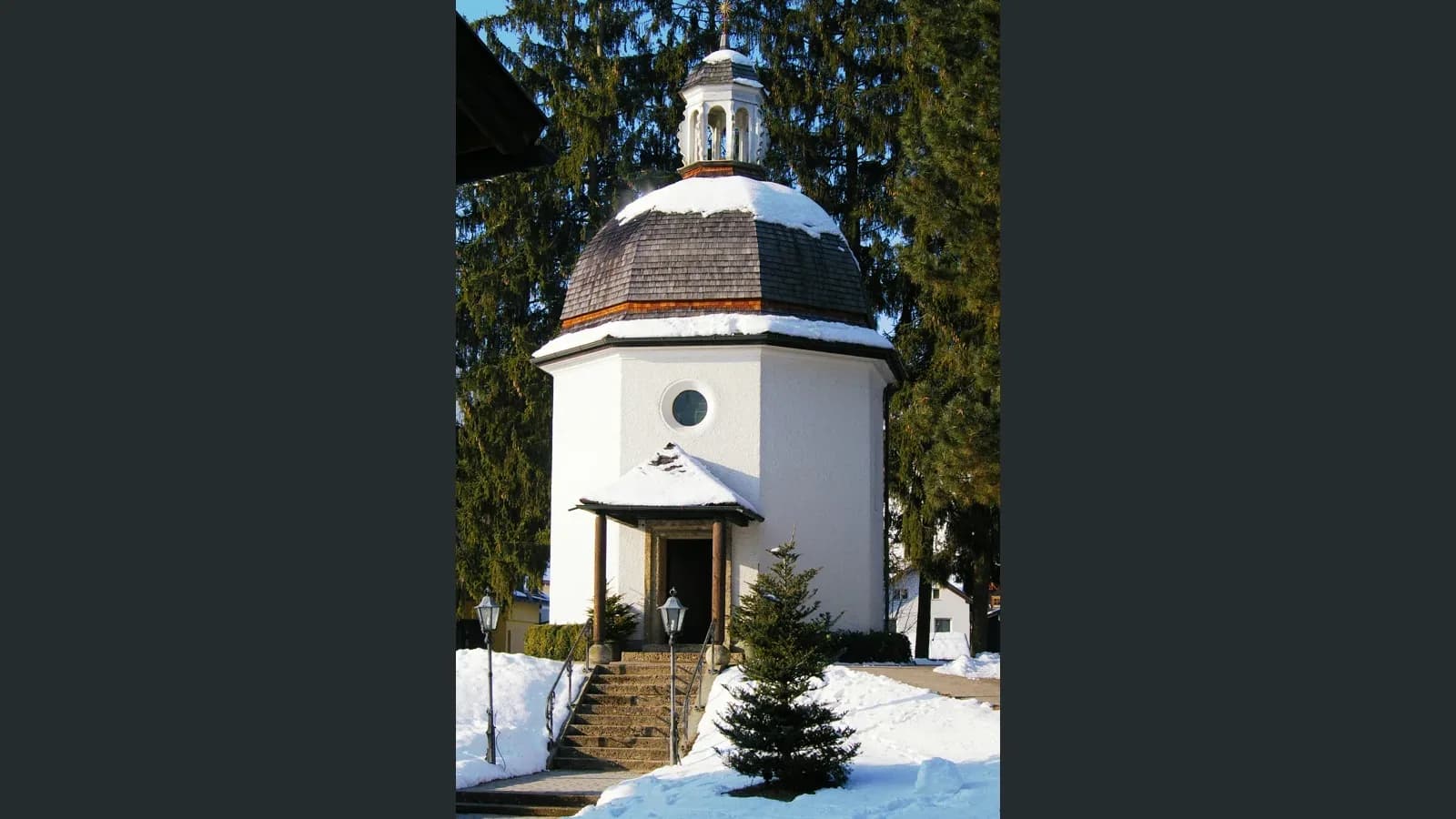
The Silent Night Society identifies Christmas Eve 1818 as the premiere at St. Nicholas Church in Oberndorf. It places Gruber's composition of the melody in the schoolhouse at Arnsdorf and identifies Mohr and Gruber as the first performers.
The Society reproduces Gruber's account dated Dec. 30, 1854, describing Mohr's request for a melody for two solo voices, choir and guitar accompaniment. In that account, Mohr sang tenor and played guitar, while Gruber sang bass. The history is relying here on an identified retrospective account, not pretending that a modern writer witnessed the performance.
What the organ story can and cannot prove
A familiar explanation says the church organ was not working and therefore the carol required guitar accompaniment. The Society's history labels the broken-organ explanation a supposition. It says Gruber's account does not specify the inspiration for creating the song and notes that romantic stories later added details to the known facts.
Guitar accompaniment belongs to the documented account. A definite explanation for why the organ was not used does not follow automatically from that fact. Retelling the story honestly means keeping that distinction, even if a more dramatic version is easier to remember.
The Society also describes a surviving score signed by Mohr, discovered in 1995, which attributes the melody to Gruber and includes 1816 beside Mohr's text attribution, a date the Society says is believed to refer to the poem's creation. It says historians date the writing of that score itself to approximately 1820-25. The date cited for the poem and the estimated date of the surviving document are not the same thing.
A living tradition, not a new designation
Austria's cultural-heritage entry records inscription in 2011 and describes the carol being passed between generations through families, choirs, churches and other communities. This is an existing entry in Austria's national inventory, not an announcement that a new worldwide designation has just been awarded.
The entry explicitly connects the carol with the Christmas message of Jesus Christ's birth. Its account also recognizes changes in arrangements and texts over the years. The history of reception is broader than one performance style or one recording.
A different sacred work's relationship to seasonal custom is explored in Handel's Messiah Draws Its Words From Scripture. Hear More Than a Christmas Tradition.
Opinion: The truth does not need a prettier legend
A beloved carol does not become less valuable when we admit what we cannot prove about its first night. Christian witness should never depend on turning an attractive supposition into a confident fact. We have enough reason for gratitude without embellishment.
Nor should familiarity make the words disappear into the background. A Christmas song can become a pleasant seasonal signal while the person singing gives little thought to Christ. Slow down enough to consider the message instead of treating the melody as decoration.
Teach children that reverence and careful questions belong together. Acknowledging uncertainty about an organ does not require uncertainty about the importance of truth. Sing with gratitude, preserve the real history and let the celebration point beyond the performance to the Savior it remembers.