West Virginia Court Blocks 33 Churches Leaving the UMC With Property. Doctrine Is Not a Lawsuit Shortcut.
West Virginia's high court says the Methodist property fight is ecclesiastical. Civil courts will not reopen the congregations' case.
The facts come first below. My opinion follows in the section marked as opinion.
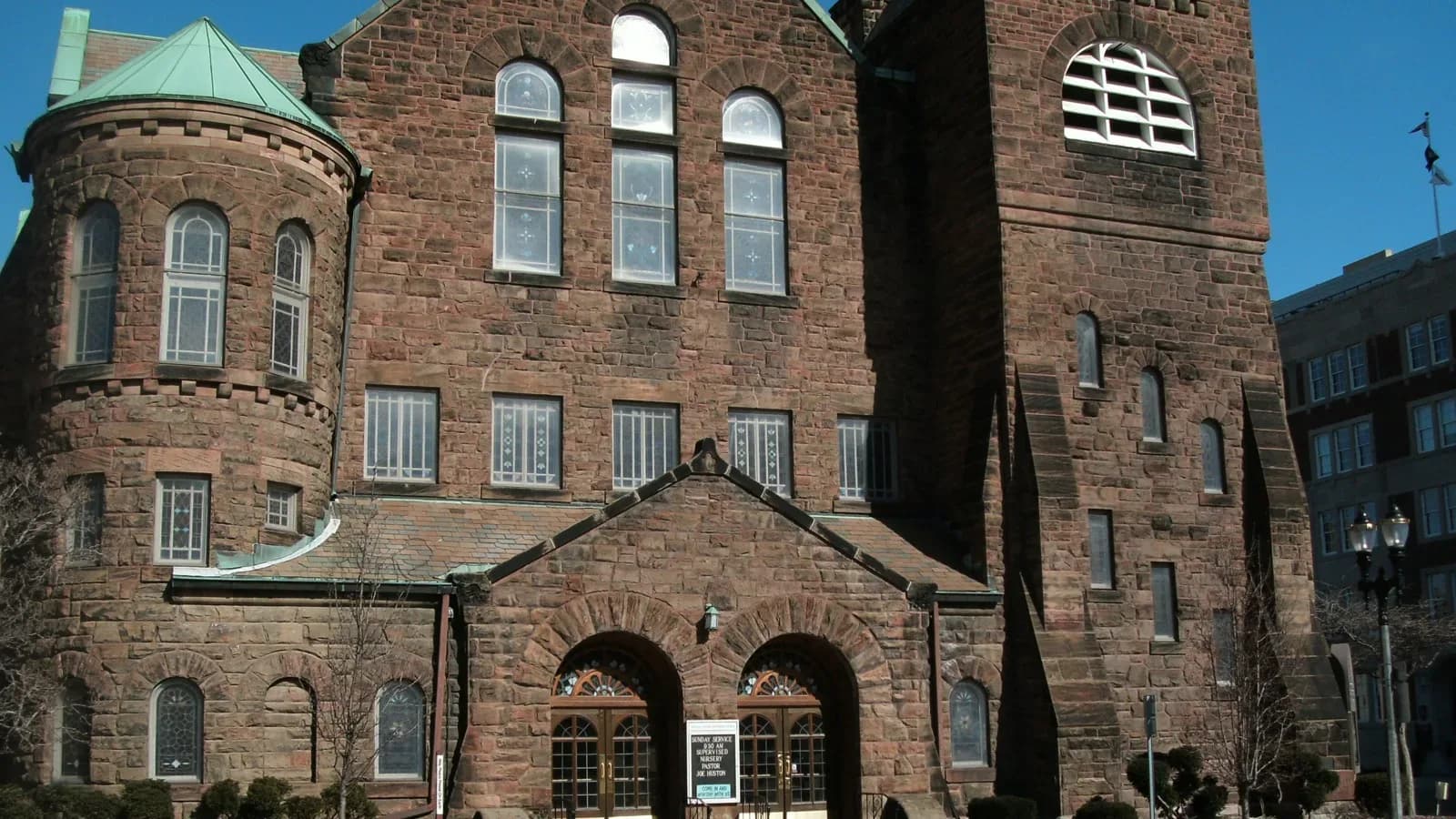
The Supreme Court of Appeals of West Virginia has blocked a civil lawsuit by 33 congregations seeking to leave the United Methodist Church while keeping their property. The court held that civil courts lack jurisdiction because the dispute is an ecclesiastical matter for the denomination's own structures.
The Christian Post reported Sunday on the decision. WV MetroNews also covered the ruling, noting there were no dissenting opinions. The reports describe a writ of prohibition stopping Mercer County Circuit Court from reopening the churches' case.
What the court decided
Justice Charles S. Trump IV wrote the opinion. The Christian Post quoted him saying the allegations "challenge the Conference's interpretation and application of the Church's governing law and its conduct in connection with the efforts of the Local Churches to disaffiliate." He concluded those claims do not fit West Virginia's narrow exception to ecclesiastical abstention.
WV MetroNews quoted a related line: "That a dispute has consequences for ownership of property does not negate the constitutional imperative that the civil courts are forbidden from intruding upon matters committed to a church's ecclesiastical authority." The court treated the United Methodist Church as hierarchical and said civil courts must defer to church adjudications on disaffiliation and property rules.
Both reports place the fight after the denomination's 2024 changes removing prohibitions on same-sex marriage and the ordination of noncelibate homosexual clergy. The local churches sought to leave with their buildings and accounts. Earlier, a temporary denominational exit process that ran through 2023 allowed more than 7,600 congregations nationwide to disaffiliate, including 24 in West Virginia, according to the Christian Post's account of UM News figures.
Property stakes and doctrinal stakes
WV MetroNews reported that the congregations were supported by the National Center for Life and Liberty and alleged fraud and related civil claims after saying conference officials led them to believe they could still leave with property once General Conference changed the rules. The conference argued local property is held in trust for the denomination. The state high court did not try those factual disputes; it said deciding them would require interpreting church law.
That is a jurisdictional ruling, not a finding that every conference action was wise or that every local congregation's conscience claim was false. It also is not a federal Supreme Court decision. It binds the West Virginia courts under the reasoning given.
Questions about lobbying and religious liberty after the midterms are covered separately in Church-State Groups Plan Post-Election Lobbying Push. No Party Owns the Conscience.
Opinion: Guard doctrine without asking Caesar to run the church
Christians should not ask civil courts to settle questions of church teaching. A state judge is not a better interpreter of a Book of Discipline than the church that wrote it. Ecclesiastical abstention protects the church from becoming a department of government, and it also denies congregations an easy escape hatch through litigation when denominational rules turn against them.
That legal point does not baptize the United Methodist Church's revision of sexual ethics. Scripture's teaching on marriage and sexual conduct is not rewritten by a conference vote. Congregations that saw the direction of the denomination had reason to leave while an exit path existed. Waiting can be costly when trust clauses and hierarchy remain in place.
Conservatives should also refuse the opposite error: treating every property fight as proof that civil government must referee theology. Painful outcomes can still be the predictable result of belonging to a hierarchical body. Read the rules before you need them. Teach the truth plainly. Plant and join churches that will not redefine sin as inclusion.
Pray for the people in these buildings. Buildings matter; the Gospel matters more. Do not confuse a state-court jurisdictional win with spiritual faithfulness on either side.