Baylor Gets $2.2 Million Grant to Train Behavioral Health Workers
Baylor University said Nov. 18 it received a four-year, $2.2 million federal HRSA grant to train 14 advanced-year social work students a year for integrated behavioral health jobs in rural and underserved Texas communities.
Baylor University's Diana R. Garland School of Social Work has received a four-year, $2.2 million federal grant to train more social workers for behavioral health jobs in Texas health-care settings, especially in rural and medically underserved communities. In a Nov. 18 announcement, the university said the award comes from the Health Resources and Services Administration's Behavioral Health Workforce Education and Training Program and will fund an Integrated Behavioral Health Certificate Program at the Garland School.
The grant will support 14 advanced-year Master of Social Work students each year over the next four years with stipends, expanded interdisciplinary training and help finding jobs, Baylor said. Principal investigator Becky Bell Scott, Ph.D., LCSW-S, a clinical professor of social work, leads the program with Elissa Madden, Ph.D., a professor of social work and program evaluator, and Lindsey Robidas, Ph.D., the program coordinator. Heather Hudson, Ed.D., a clinical professor in Baylor's Robbins College of Health and Human Sciences, will serve on the teaching team.
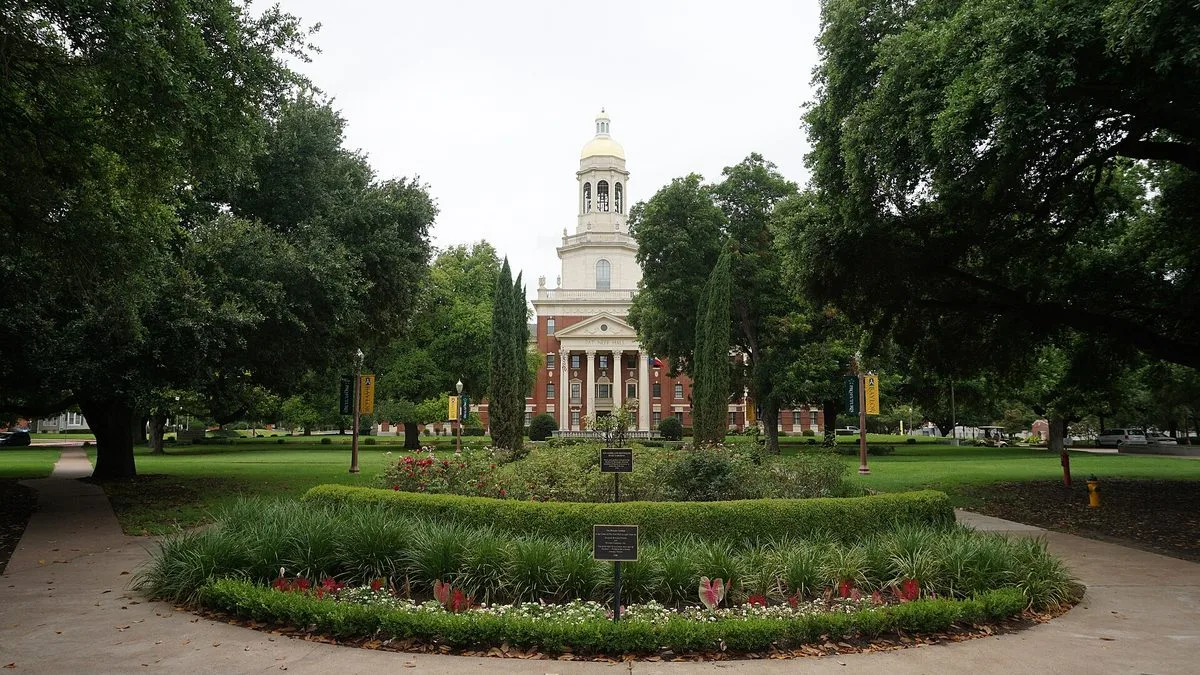
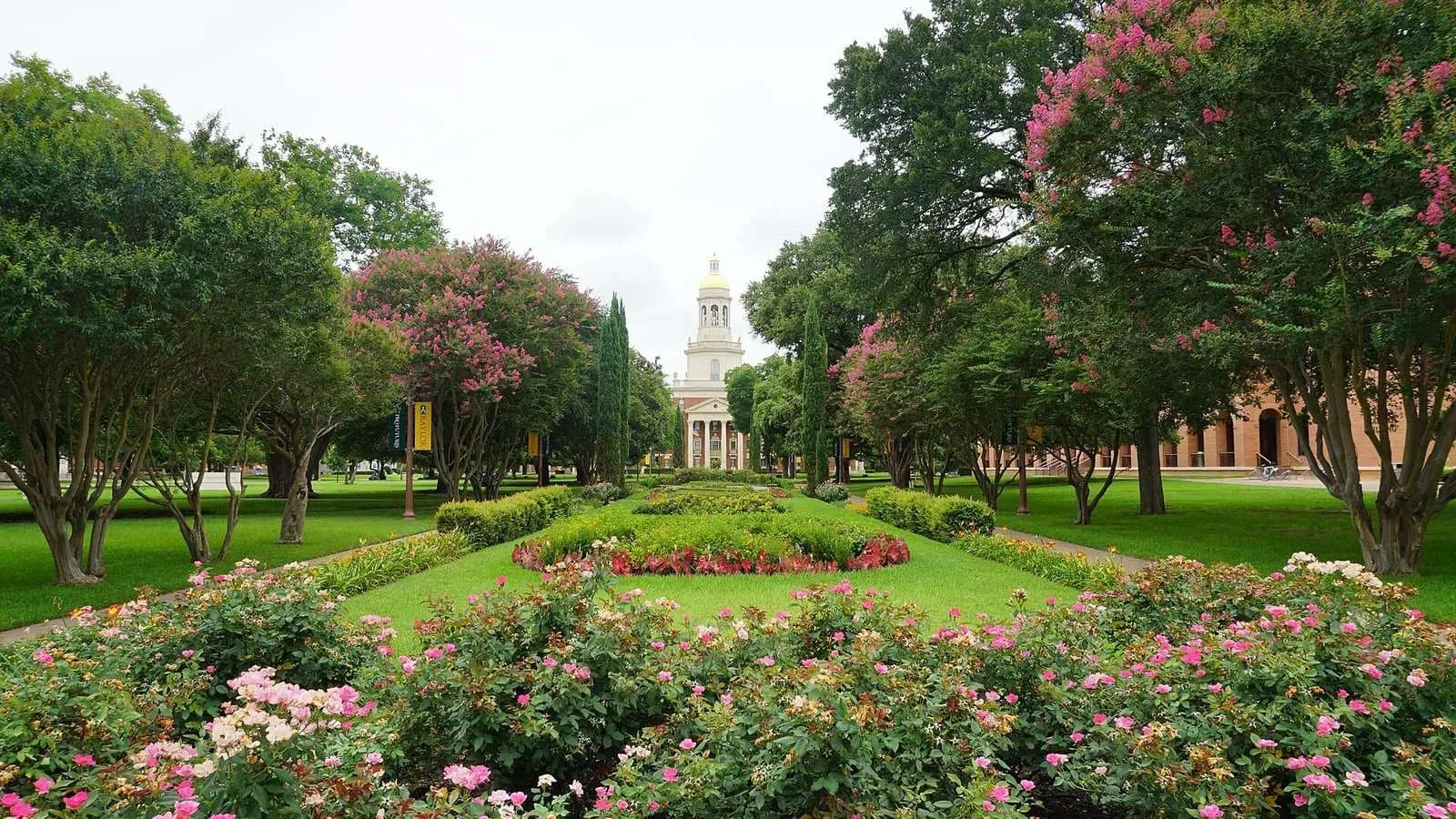
Another view of Pat Neff Hall and Founders Mall at Baylor, photographed June 25, 2016. File photo. Photo: Michael Barera / Wikimedia Commons, CC BY-SA 4.0.
The Shortage Baylor Is Trying to Address
The university said 246 of Texas' 254 counties qualify as behavioral health professional shortage areas. Community health centers and federally qualified health centers, it said, often struggle to recruit social workers trained in integrated care, especially in rural counties, and some centers spend thousands of dollars retraining new hires. About 90% of Garland School graduates remain in Texas after graduation, according to the announcement. Those figures are Baylor's; the release did not attach the underlying federal shortage maps or a graduate-retention study.
"In many of our community-based systems and organizations, the best and most easily accessible care is often available for those who have the most resources," Scott said. "This training program prepares professionals who want to serve people who have the least access and train them in the very best practices available. It's an approach consistent with the ethos of Christ, a teaching underscored by the social work profession's Code of Ethics."
Each annual cohort of 14 students will receive a $25,000 stipend, Baylor said. Students will complete their advanced internship in integrated care settings, including federally qualified health centers and other interdisciplinary health-care environments, and will be taught by a faculty team that includes physicians, nurses, health psychologists and interprofessional communication experts. Training will include motivational interviewing "through the level of mastery," evidence-based brief interventions, and culturally and linguistically responsive approaches to care. Students will also take part in three patient simulations, including telehealth and interprofessional care experiences. Graduates will earn an IBH Certificate.
"Social work graduate students are eager to provide outstanding interventions for people who have little or no access to care and I am excited they will have this opportunity to get world-class training from a diverse team of professional health care providers and academics," Scott said. "With more than half of the grant dollars going to students directly, this HRSA grant translates into less borrowing for social workers to get this education and the opportunity to select jobs that put this training into practice."
Partners and Continuing Education
The program builds on collaboration with Texas health-care organizations, including Baylor Scott & White, Temple Community Clinic, the Texas Association of Community Health Centers and Waco Family Medicine, the university said. It also includes a continuing-education component for practicing behavioral health professionals at partner organizations: free training meant to support people already working in the field.
"This funding makes many things possible," Madden said. "The team is working to increase the number of social workers serving in medically underserved areas and provide trainee stipends to MSW students interested in interdisciplinary medical team-based internship experiences. The project also delivers specialized behavioral health training to community practitioners and faculty."
Interim Dean Luci Ramos Hoppe, Ph.D., said the school is grateful for the chance to take part in the HRSA program. "This federal grant allows us to widely share best practices in Interdisciplinary Behavioral Health and to prepare social workers to better meet their clients' overall health needs."
The announcement was timed around National Rural Health Day on Nov. 19. It did not say when the first cohort will begin, name the students, or guarantee placements in particular counties. Those results will depend on who enrolls and where they go to work after they finish.