

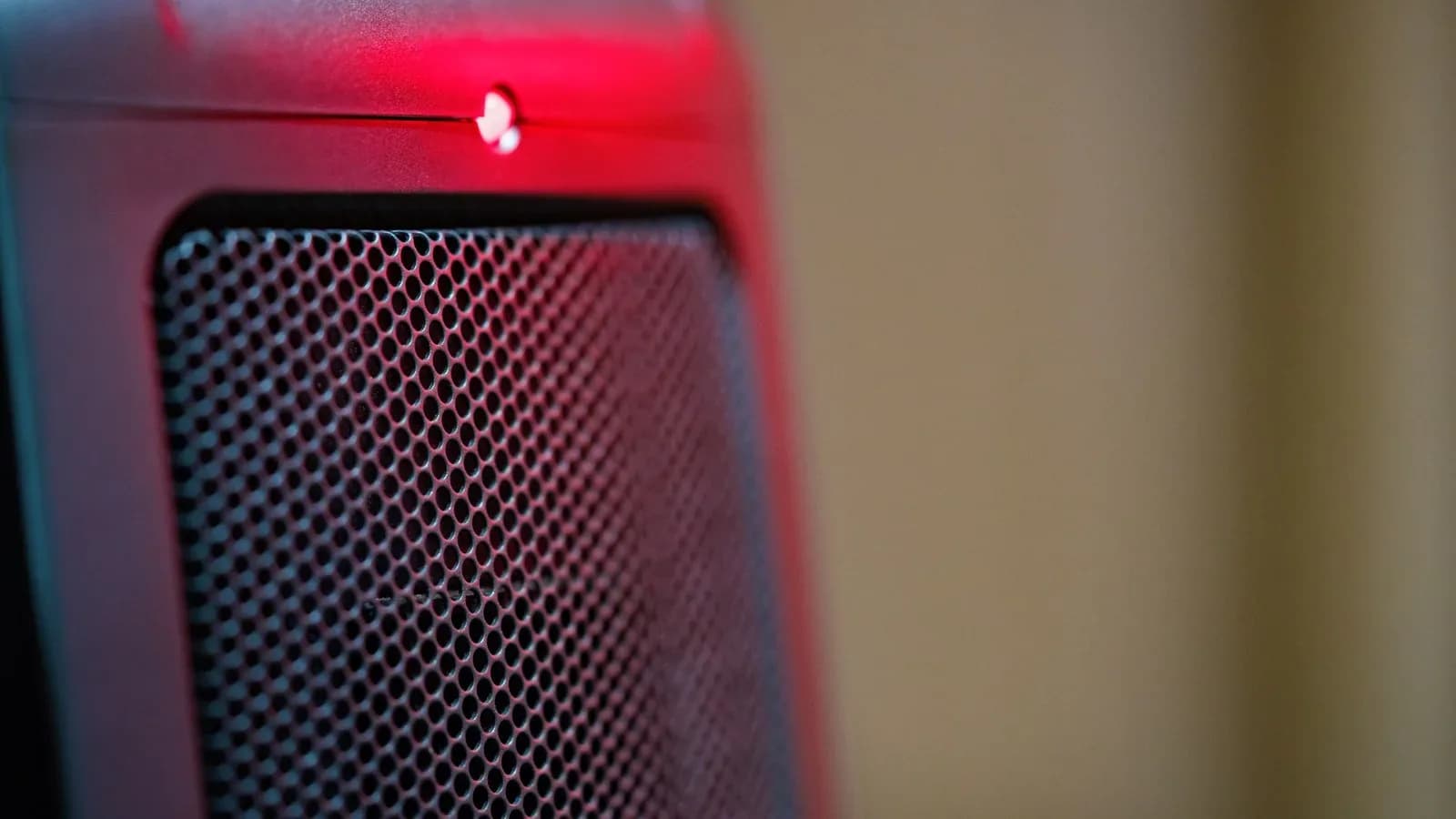
Space Heaters and Stoves Cause Most Home Heating Fire Deaths. Prudence This Winter Costs Little.
Heating equipment is a leading cause of deadly house fires. NFPA and U.S. Fire Administration figures, and their advice, as the heating season begins.
The facts come first below. My opinion follows in the section marked as opinion.
As the first cold nights arrive across much of the country, furnaces, wood stoves and space heaters are coming back on. That makes now the time to remember that heating equipment is one of the leading causes of deadly house fires in America.
What the numbers show
From 2020 through 2024, fire departments responded to an estimated average of 37,365 home fires a year involving heating equipment, according to the National Fire Protection Association. Those fires made up 11% of reported home fires and caused an estimated 417 civilian deaths, 1,260 injuries and $1.2 billion in property damage each year.
Space heaters and heating stoves are the main danger. They accounted for 30% of home heating fires but 73% of the deaths and 70% of the injuries, the NFPA reports. Nearly half of heating fires, 46%, happened from December through February. The largest share of them, 19%, started in a kitchen or cooking area.
The U.S. Fire Administration, part of FEMA, uses a different data set and time frame, and its totals are lower. It estimates there were 32,200 home heating fires in 2021, causing 190 deaths, 625 injuries and $442 million in property loss, according to its heating safety page. It says heating fires have been trending down since the early 1980s, yet heating was still the second leading cause of home fires in 2021.
The fire administration points to the same danger as the NFPA. Portable heater fires were only 3% of home heating fires each year from 2017 through 2019, but they accounted for 41% of fatal home heating fires, the agency says.
What safety officials recommend
The fire administration's core advice is short. Keep anything that can burn at least 3 feet from heat sources, including fireplaces, wood stoves, radiators, space heaters and candles. Turn space heaters off when you leave the room or go to bed. Have heating equipment and chimneys cleaned and inspected every year by a professional. And the agency says plainly: "Never use an oven to heat your home."
The NFPA gives similar advice. Space heaters "can cause a significant fire hazard when placed too close to flammable materials," and chimneys and heating systems should be inspected and cleaned each year before they are fired up for the season, the association says.
Opinion: A few minutes of prudence beats a lifetime of regret
Most of what keeps a family safe this winter costs little or nothing. Moving a space heater away from the couch is free. Turning it off before bed is free. A chimney sweep costs money, but less than a new roof or a hospital stay. These are not government mandates. They are just good stewardship of the home and the people God has placed in it.
Scripture puts it well: "A prudent man foreseeth the evil, and hideth himself: but the simple pass on, and are punished." We can see the danger coming. The numbers say space heaters and heating stoves are involved in about three in ten heating fires but nearly three in four of the deaths. That is the evil foreseen. The prudent response is to treat the space heater in the bedroom with the same respect as the stove.
The safety agencies deserve credit for keeping their advice plain and practical, and the long decline in heating fires the fire administration describes shows that good habits work. Readers should still notice that the NFPA and the fire administration report quite different death totals because they use different years and methods. Neither number is small. Even the lower one means about 190 people died in a single year from fires that, in many cases, a few feet of clearance could have prevented.
So this week, as the season turns and we gain an hour of sleep (see our guide, Daylight Saving Time Ends Nov. 1, 2026: Rules and Sleep Tips), walk through your house. Look at what sits near each heater. Check on an elderly neighbor or a family member who lives alone and relies on a space heater to stay warm. Loving your neighbor sometimes looks like moving a blanket three feet.
More Health & Fitness Stories
 Yesterday
Climb for the View on the Trails at Davis Mountains State Park in Fort Davis
 Yesterday
Gilead Will Pay Texas $45 Million in a Medicaid Kickback Case. Lululemon Agrees to Chemical Testing Rules
 This Week