Operating Room Air Purifiers Did Not Cut Surgical Infections, UTHealth Houston-Led Study Finds
A study of more than 110,000 surgeries found that adding air purification units to operating rooms made no difference in infections or deaths. Here is what researchers think matters more, and what patients can do to lower their own risk.
Hospitals spend real money trying to keep the air in operating rooms clean. A large new study led by a Houston researcher suggests that adding more air-cleaning machines does not prevent surgical infections.
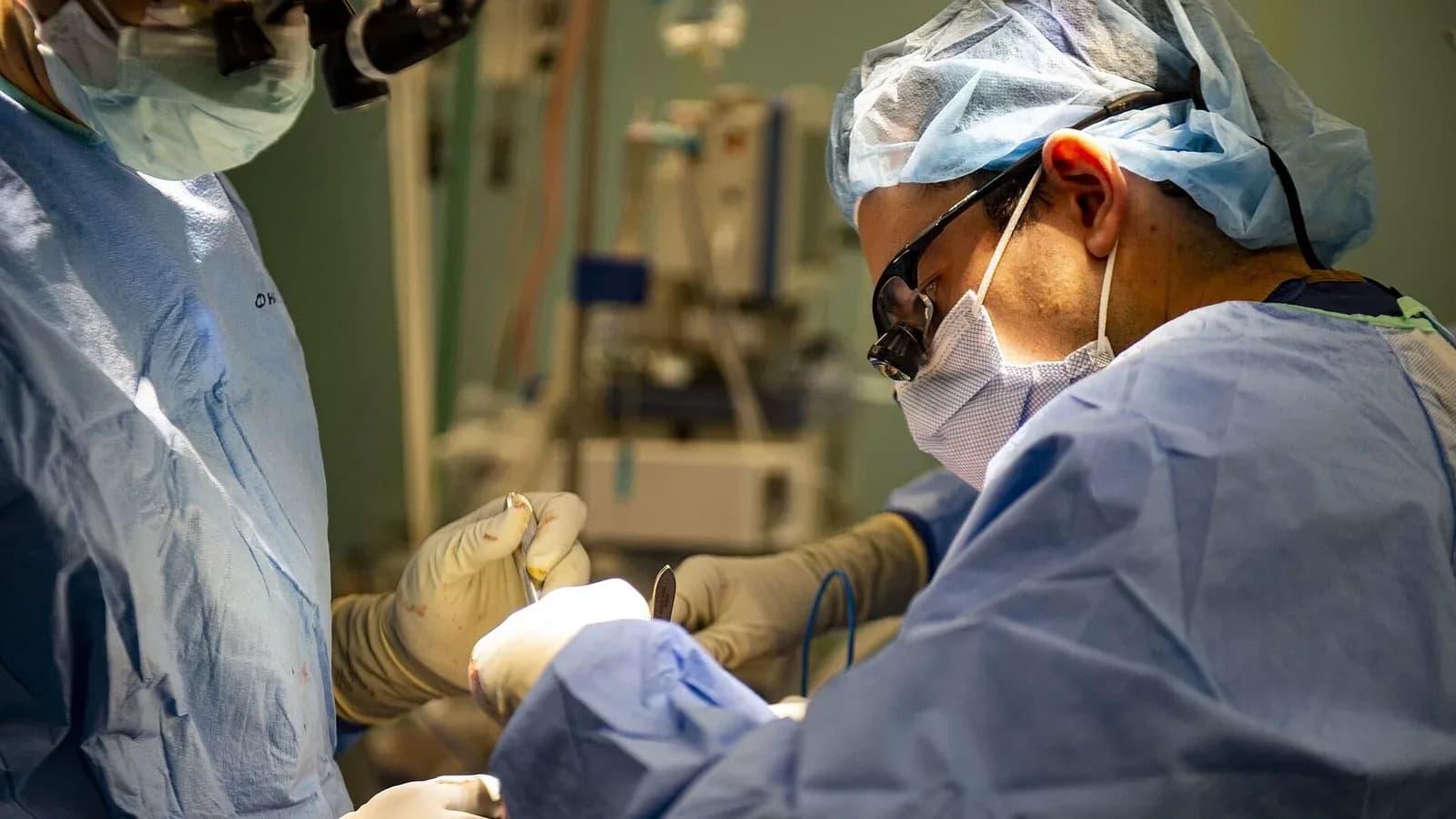
The study of more than 110,000 surgeries found that advanced air purification and sterilization units in operating rooms did not reduce surgical site infections, complications or deaths, UTHealth Houston announced Monday. It was published in the journal Anesthesiology.
"This tells us we should shift our focus elsewhere," said Dr. Daniel Sessler, professor and vice president for clinical and outcomes research at McGovern Medical School at UTHealth Houston, who led the research.
Why it matters
Surgical site infections develop in the skin, tissue, organs or implanted material involved in an operation. Citing the Centers for Disease Control and Prevention, UTHealth says they remain a leading cause of illness, death and hospital readmission after surgery. About 1% to 3% of surgery patients develop one, and the risk is much higher for some procedures, such as colorectal surgery.
"The causes of surgical site infections are not well understood," Sessler said. "We know the bacteria that cause them, but we do not know where the bacteria come from and why patients develop infections. There are many potential sources, and bacteria floating through the operating room is among them."
How the study worked
Researchers installed two air-purification units in each of 68 operating rooms for four weeks at a time over several years. In 34 rooms the units worked, filtering the air and killing bacteria and other contaminants. The other rooms got identical units that were switched off inside but looked and sounded the same. Every four weeks, the assignments flipped.
Neither patients nor surgical teams knew which rooms had working units. That kind of blinding matters because it keeps people from changing their behavior when they know they are being tested.
The trial, called ORACLE, is listed on the federal ClinicalTrials.gov registry. The Texas Gazette reported that the registry lists Cleveland Clinic as sponsor, shows the trial began in May 2021 and identifies the units as the Aerus ActivePure system. Co-authors came from McGovern Medical School, Cleveland Clinic and the Outcomes Research Consortium in Houston, UTHealth said.
What they found
There was no difference in infection-related complications between the periods with working and disabled units. The researchers say airborne bacteria may not be a major source of surgical site infections in modern operating rooms, which already have strong ventilation.
"Hospitals may benefit more from focusing on other possible sources, including bacteria from a patient’s own skin, bacteria from the intestines, or infection prevention after surgery," Sessler said. He said future research should test the systems in less sterile places, such as hospital wards and intensive care units.
UTHealth’s announcement did not give the exact infection rates or say who paid for the study, so readers cannot yet judge the full numbers from the release alone.
What patients can do
The study is about hospital equipment, but much of infection prevention happens with the patient. The CDC advises:
Before surgery, tell your provider about other health problems such as diabetes, allergies or obesity. Quit smoking, because smokers get more infections. Do not shave near the surgical site, since a razor can irritate skin and open the door to infection.
After surgery, ask anyone caring for you to clean their hands, and do not let family or friends touch the wound or dressing. Clean your own hands before and after caring for the wound. Make sure you know how to care for it and whom to call before you leave the hospital.
Call your provider right away if you notice redness and pain at the site, cloudy drainage or fever.
The takeaway
Good medicine follows the evidence, even when the evidence says an expensive tool is not helping. Texas researchers are doing important work, from this study to Austin surgeons who repaired a baby’s spine before birth. And if a hospital stay leaves you with a bill you cannot pay, read our report on how many Texas nonprofit hospitals bill before checking for financial aid.