Houston Is Wilder Than It Looks: What Trail Cameras Found Across the City
UH students used trail cameras at 25 Houston-area sites, revealing coyotes, bobcats, armadillos, feral hogs and other wildlife living alongside the city.
UH students used trail cameras at 25 Houston-area sites, revealing coyotes, bobcats, armadillos, feral hogs and other wildlife living alongside the city.
Greater Houston rarely seems to slow down. Freeways stay full, neighborhoods keep spreading, and the skyline continues to climb. Yet just beyond the traffic—and sometimes inside it—wildlife is carrying on a parallel life that most of us never see.
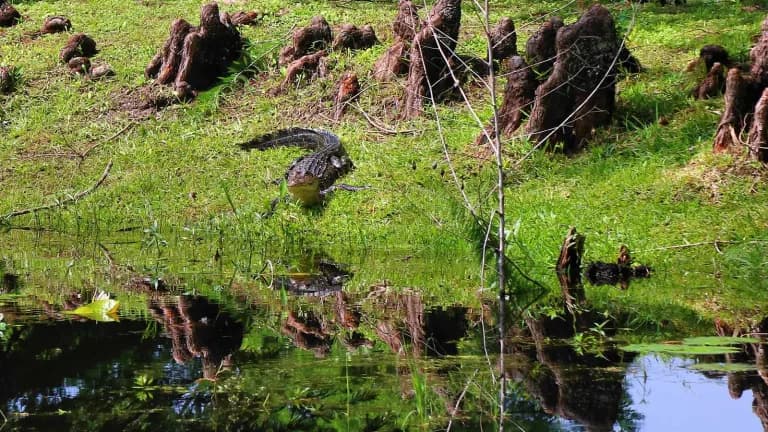
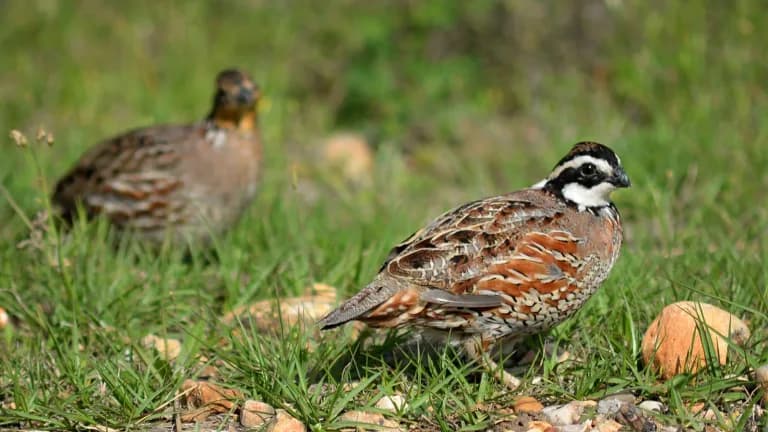
Hawks watch from roadside perches. Opossums make their nighttime rounds. Owls hunt while the city sleeps. Coyotes, bobcats, armadillos and even feral hogs move through the green spaces tucked between homes, highways and commercial development.
At the University of Houston, students have been helping reveal that hidden world through a research project called Hidden Life of Houston.
Twenty-five cameras and a city full of surprises
Instructional Professor Ann Cheek launched the project in spring 2020. It brought together the University of Houston, Memorial Park Conservancy and the Urban Wildlife Information Network, an international collaboration that compares wildlife communities across cities using a common research method.
Students placed motion-triggered trail cameras at 25 sites stretching from Houston's urban core toward its rural edges. Locations included Memorial Park, the Houston Arboretum, Shasta's Prairie on the UH campus and the UH Coastal Center in La Marque.
The cameras operated for 30-day periods in January, April, July and October. Students then uploaded the images to a shared database, developed their own research questions and followed the work from field collection through statistical analysis and presentation.
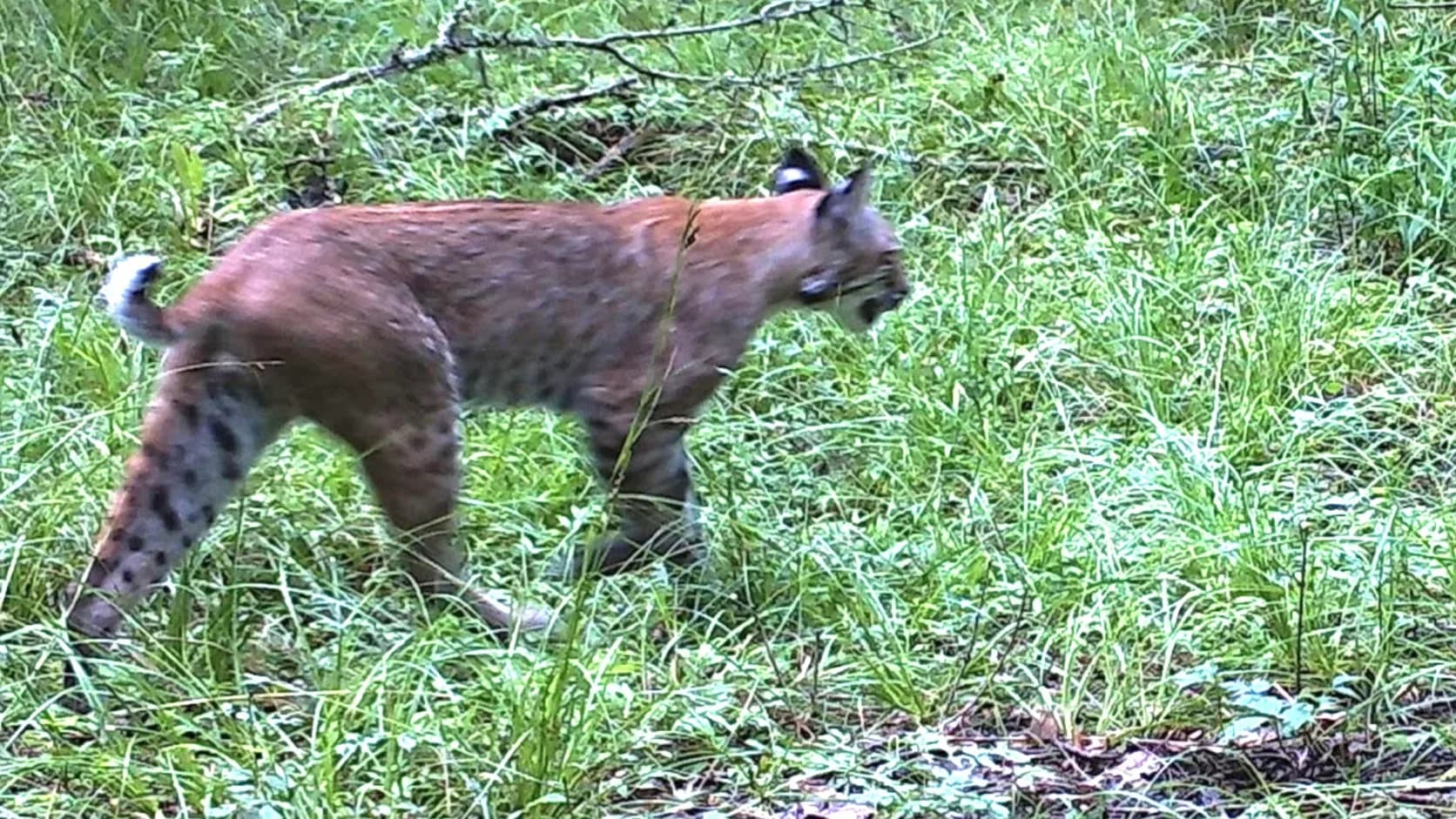
The result was a remarkable cast of wild neighbors: armadillos, coyotes, bobcats, squirrels, rabbits, opossums, raccoons, feral hogs, deer and gray foxes.
Coyotes nearly everywhere—bobcats farther out
Some of the clearest findings involved two of Houston's more elusive predators.
Coyotes appeared at nearly all 25 original monitoring locations, although they were generally photographed only about once during each 30-day sampling period. Bobcats showed a different pattern: they were photographed primarily at locations outside the Sam Houston Tollway, also known as Beltway 8.
The cameras also caught armadillos moving through Memorial Park's thickets and feral hogs along Clear Creek.
One student group examined whether the February 2021 freeze had substantially affected the armadillos monitored by the project. Their analysis suggested that it had not—a welcome finding for anyone fond of those small, armored Texans.
More than interesting photographs
The pictures are fun to see, but the project is more than a wildlife album.
Students gain direct experience in field biology, experimental design, data collection, statistical analysis and scientific communication. Some have discovered career paths in ecology and conservation that they had never previously considered.
The research also helps scientists understand which species live in different parts of the metropolitan area, when they are active and how they respond to roads, development and changing habitat. That information can help guide conservation work and make it easier for residents to coexist with the wildlife already living beside them.
The Houston work has continued to contribute to new research. In 2026, University of Houston and Memorial Park Conservancy researchers presented findings from a camera-trap survey of the Kinder Land Bridge and surrounding prairie restoration area, examining how wildlife used crossing structures in a heavily traveled urban park.
Cheek summed up the larger lesson simply: "There are lots of wild things living in the city. It's not just concrete and people."
Houston may look like a landscape built entirely for people, but the cameras tell a different story. The wild side never disappeared. Most of the time, it was simply moving when we weren't looking.