TPWD Wants to Triple the Alligator Season in 22 Counties and Allow Night Hunts on Private Land
A 20-day September season would become 61 days from Sept. 1 to Oct. 31 in core counties. Night hunting on private waters would be allowed; public waters would stay closed at night.
Texas Parks and Wildlife staff asked commissioners Wednesday for permission to publish a proposal that would more than triple the alligator hunting season in 22 Southeast Texas counties and allow night hunts on private land. The changes are not final. They would go to the Texas Register for public comment before any adoption.
The agency's work-session briefing and coverage by KHOU spell out the numbers. Today's core-county season runs Sept. 10 through Sept. 30, a 20-day window. The proposal would stretch that to Sept. 1 through Oct. 31, or 61 days. Night hunting would be legal on private property and private waters in those counties. It would stay illegal on public waters. TPWD's agenda lists the item as a request to publish, presented by Alligator Program Leader Jonathan Warner.
Stewardship of wildlife is part of dominion done well. Alligators nearly vanished under reckless take. Careful management brought them back. Expanding a lawful harvest when populations are strong is not cruelty. It is husbandry.
Which counties and what gear would change
The 22 core counties are Angelina, Brazoria, Calhoun, Chambers, Galveston, Hardin, Jackson, Jasper, Jefferson, Liberty, Matagorda, Nacogdoches, Newton, Orange, Polk, Refugio, Sabine, San Augustine, San Jacinto, Trinity, Tyler and Victoria. Tag quotas on individual properties would still rest on habitat, population and harvest data. A longer season would not automatically raise how many alligators a landowner may take.
Statewide, the proposal would add lawful means. Hunters could use snatch hooks, weighted treble hooks on restraining lines or rod-and-reel. Bang sticks, firearm chambers used to dispatch an alligator already on a legal device, would be allowed. Archery rules would refer to "lawful archery equipment" instead of naming each bow type. Restraining-line requirements would stay.
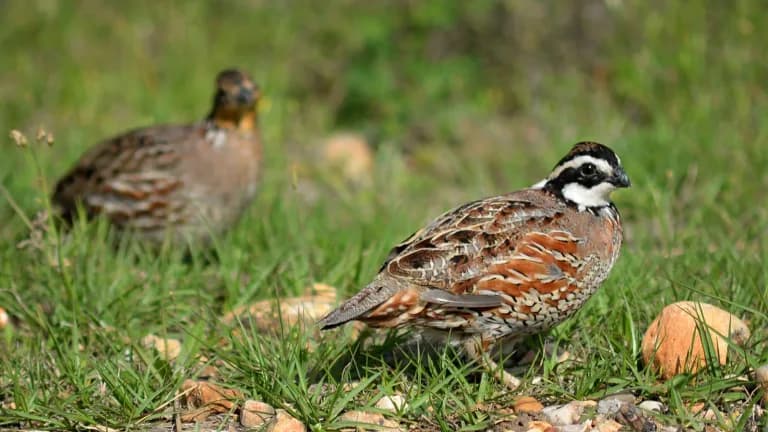
TPWD also wants to move the annual hide-tag report deadline from Oct. 10 to Nov. 10 to match a longer season. Dock Line readers gearing up for deer season or following quail survey results know the department layers seasons carefully. Alligator rules belong in that same sober stack.
Why TPWD says the change is needed
American alligators were listed as endangered in the 1960s after overhunting, poaching and habitat loss. They came off the federal list in 1987. Texas restored a regulated wild harvest in 1984. At the commercial peak in the late 1980s and early 1990s, hunters took more than 10,000 wild alligators a year. Today the take is about 2,000 to 3,000, roughly one-third of that peak, as farms crowded out the hide and meat market.
Meanwhile nest counts, spotlight surveys and nuisance calls have climbed. Crawfish and rice operations need steady alligator control that a 20-day September sprint does not always allow. TPWD says a large majority of landowners and hunters in the core counties back a longer season and wider means. The agency also wants recreational interest to fill the gap left by a weak wild-hide market.
What happens next
Publishing in the Texas Register opens a public-comment window. No season dates change until the commission adopts final rules. Comments can go through TPWD's public-comment site or to Warner at [email protected] or 409-736-3625. The department estimates no fiscal hit to state or local governments in the first five years and no adverse effect on small businesses or rural communities.
Landowners who manage wetlands should read the draft when it posts, then speak plainly. So should neighbors who worry about night shots near houses. Good policy holds both safety and stewardship. Proverbs says the righteous care for the needs of their animals. Managing a recovered predator with clear seasons, tags and daylight-or-night rules that people can understand is one way Texas still does that work.
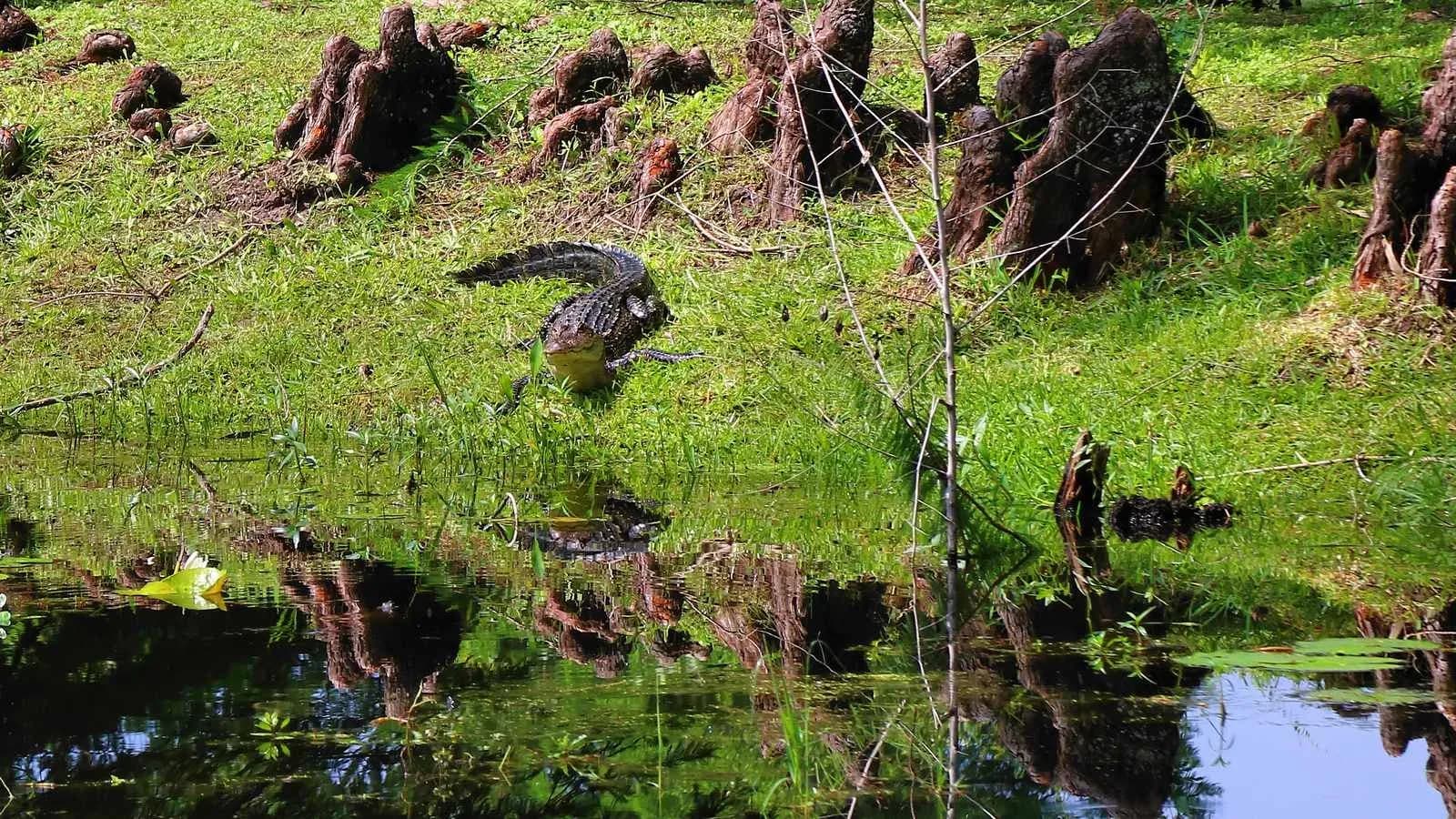
Hero photo: An American alligator at Sheldon Lake State Park in Harris County. File photo. TPWD proposes a longer season in 22 core counties. Photo: Larry D. Moore / Wikimedia Commons, CC BY 4.0.