Texas Deer Season Opens Saturday With 5.64 Million Whitetails. Here Is the Outlook Region by Region
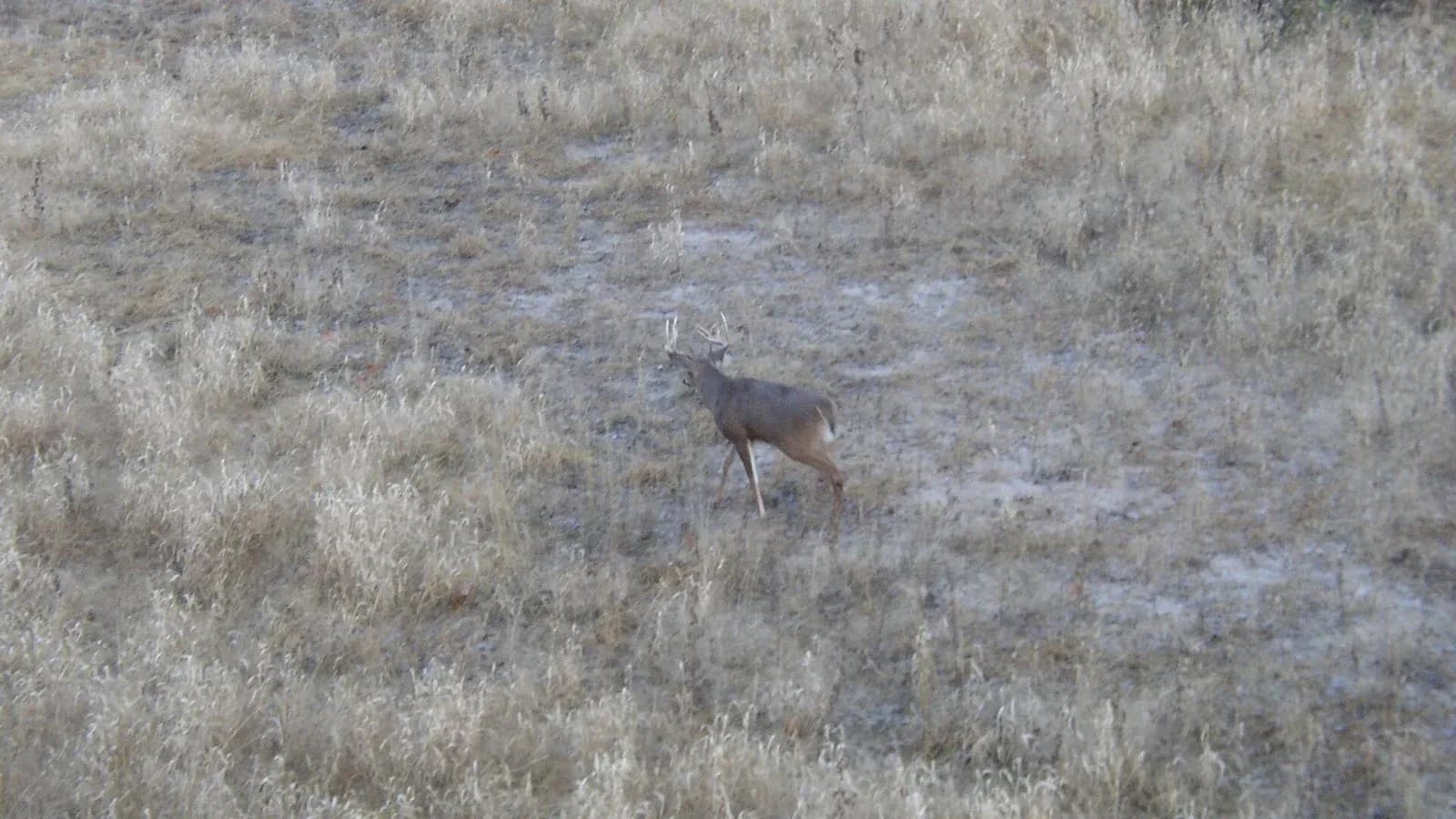
Three good fawn years pushed the Texas whitetail herd to an estimated 5.64 million. State biologists expect a good season, with the best odds in the Hill Country, Cross Timbers and Rolling Plains.
Whatever happens at the polls Tuesday, a lot of Texas families already know where they will be Saturday morning: in a deer blind.
The general white-tailed deer season opens Saturday, Nov. 7, in both the North and South zones, according to the state's 2026-27 hunting season dates. It runs through Jan. 3 in the North Zone and Jan. 17 in the South Zone. A special late season follows, Jan. 4-17 in the North and Jan. 18-31 in the South. Fall turkey season opens the same day.
Archery-only season in 252 of the 254 counties ends Friday, Nov. 6.
A big, healthy herd
After three straight years of above-average fawn survival, the Texas whitetail population has climbed to an estimated 5.64 million, Texas Parks and Wildlife Department biologists said. They expect good harvest numbers and chances at quality bucks.
"Texas leads the nation in terms of number of deer hunters, annual harvest and deer population," said Blaise Korzekwa, TPWD's white-tailed deer program leader. "Even an average year in Texas is worth hunting."
Nearly all of Texas started spring in some form of drought, but rain in late spring and early summer greatly improved habitat. Antler growth follows rainfall from April through June, so most of the state should see slightly above-average antlers. Parts of the Pineywoods and South Texas that missed the late-spring rains should expect average antlers.
Region by region
Edwards Plateau. The Hill Country has the most deer in Texas, an estimated 1.973 million. Drought had knocked the herd down to 1.514 million in 2023. The Llano and Mason county area has the highest density, and biologists say doe harvest there is especially important to relieve pressure on food. The region consistently has one of the highest hunter success rates in the state.
Cross Timbers. North Texas has the second-largest herd, 924,242 deer, and it is still growing. Hunters will likely see fewer 4.5-year-old bucks because of poor fawn recruitment in 2022, but other age classes should be well represented.
Rolling Plains. Both the Eastern and Western Rolling Plains have grown. In 2025, 42% of the buck harvest in each was 4.5 years or older, second only to South Texas. Because of larger properties, relatively light hunting pressure and more interest in deer management, biologists expect the trend toward older bucks to continue this year.
South Texas. The brush country, with nearly 478,000 deer, remains the state's premier big-buck destination. Mature bucks 5.5 and older should be well represented. TPWD expects an average season, "but average in this part of the state is still a great season."
Post Oak Savannah. Good late-spring rain helped fawns. Only 30% of the 2025 buck harvest was 4.5 or older, likely because strong fawn crops since 2023 have produced many young bucks. Biologists urge patience.
Pineywoods. The herd is stable at about 334,414. Expect a strong group of 3.5-year-old bucks but fewer 4.5- and 5.5-year-olds. Biologists ask hunters to let bucks reach at least 4.5 years.
Where the big bucks are
A mature buck can come from anywhere in Texas, but South Texas and the Western Rolling Plains produce the most large-antlered bucks. Bucks 5.5 years or older average about 131 inches on the Boone and Crockett scale in South Texas and 133 inches in the Western Rolling Plains, compared with a 124-inch statewide average.
Before you go
TPWD asks hunters to watch for New World screwworm with trail cameras and while hunting, and to report any sign of it to the local TPWD biologist. Our guide explains how to check your deer for screwworm.
Hunters should also follow chronic wasting disease rules on carcass disposal, report sick deer and consider voluntary testing. Bowhunters need an Archery Endorsement, and public-land hunters need the Annual Public Hunting Permit.
Before you climb into a stand, review what last year's hunting incident report teaches. Good stewardship and safe habits are how a family hunting tradition lasts. Enjoy the season, and give thanks for it.