Whooping Cranes Are Flying Over Texas Now. Here Is How to Spot One and Report It.
North America's tallest bird migrates through Central Texas in October and November on its way to Aransas National Wildlife Refuge.
Look up this month. Whooping cranes, among the rarest birds in North America, migrate through the middle of Texas in October and November, from the eastern Panhandle through the Dallas-Fort Worth area and south past Austin to the central coast, according to the Texas Parks and Wildlife Department.
Their destination is the coast near Rockport, in and around Aransas National Wildlife Refuge, where the last wild flock of the species spends the winter.
How to know it's a whooper
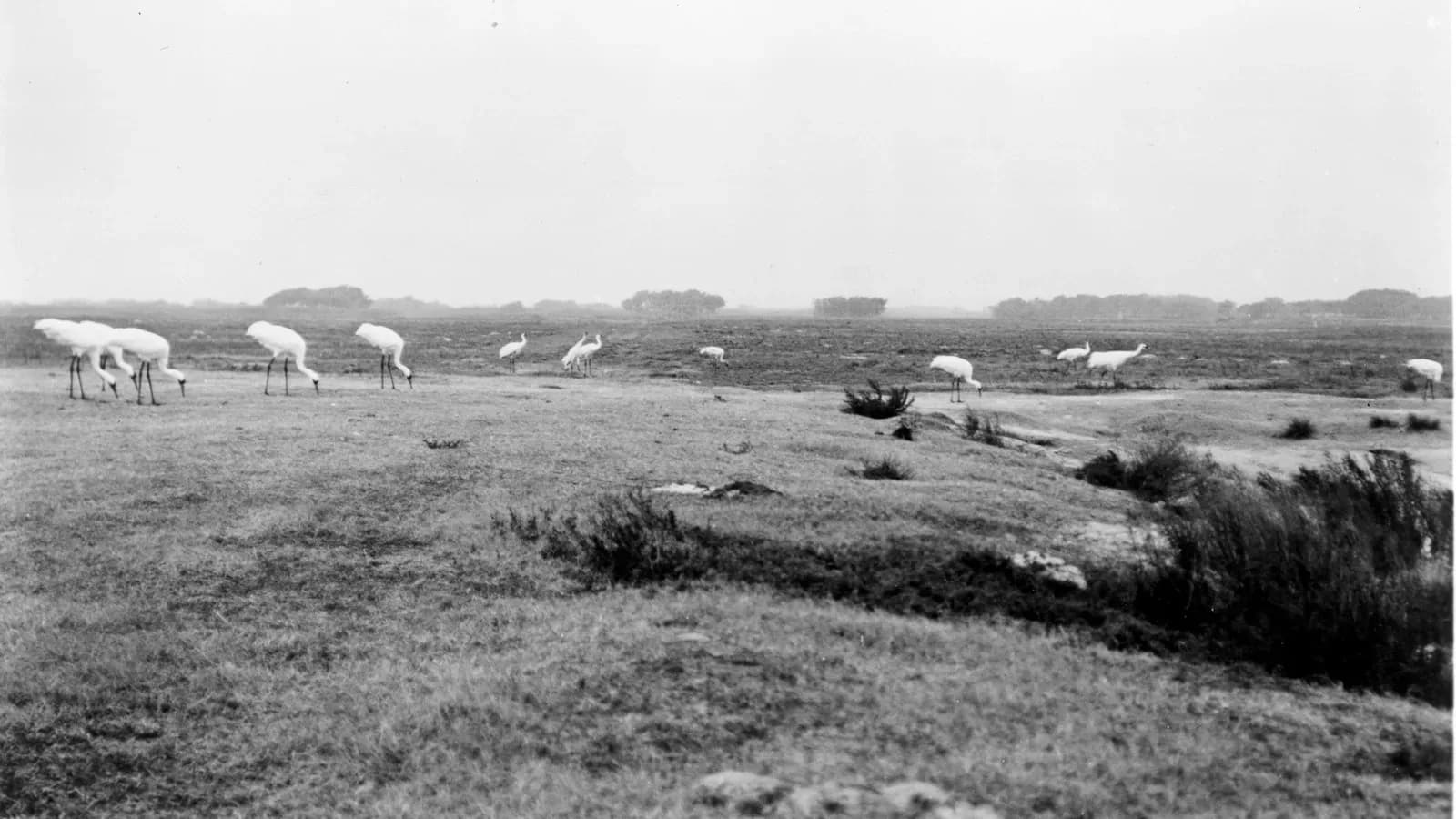
At nearly 5 feet tall with a 7.5-foot wingspan, the whooping crane is the tallest bird in North America, TPWD says. Adults are white with a rust-colored patch on the head, yellow eyes and long black legs and bills. Their black wingtip feathers show only in flight. They often travel in family groups of two parents and one or two young.
Back from the brink
Historically, more than 10,000 whooping cranes lived in North America, according to the U.S. Fish and Wildlife Service. Shooting and habitat loss nearly wiped them out. Every whooping crane alive today descends from the 15 birds that wintered at Aransas in 1941, the agency says.
Legal protection, habitat work, captive breeding and cooperation between Canada and the United States helped the flock grow. The birds nest at Wood Buffalo National Park in northern Canada and migrate more than 2,400 miles a year. The threats today are mostly man-made, including power lines, illegal hunting and habitat loss, TPWD says.
Report a sighting
Biologists know the wintering grounds well but know much less about where whoopers stop during migration. TPWD's Texas Whooper Watch asks the public to document sightings through iNaturalist to help find stopover sites and any hazards there.
Watch from a distance, do not approach, and get a photo if you can. The refuge's auto tour and trails are open daily from sunrise to sunset, according to the Fish and Wildlife Service.
A fall worth watching
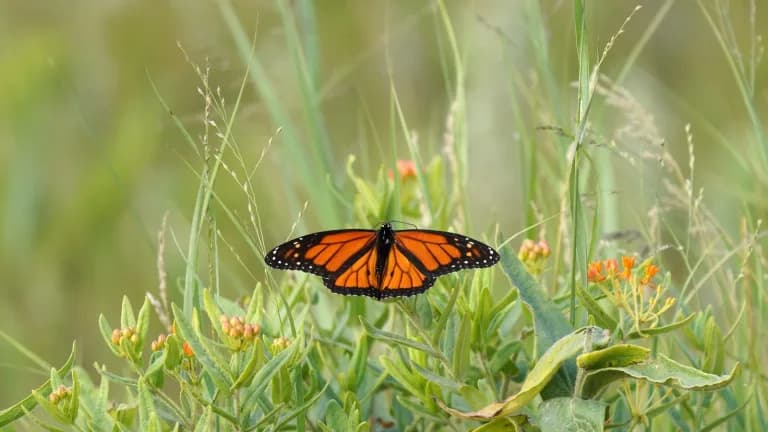
The comeback of a bird once down to 15 is a lesson in patience and care for creation. It is one more reason to get outside this fall, along with the monarch migration and public hunting lands open across the state.
Related on Dock Line: Monarchs Are Funneling Through Texas Now. Here Is Where and How to See Them.; No Lease? A $48 Permit Opens Over a Million Acres of Texas Public Hunting Land