DOJ Sues California to Hold Ballots From 'Likely Noncitizens.' Show the Evidence.
The Justice Department sued California asking a judge to stop it from counting mail ballots from people the federal government says are likely noncitizens until citizenship is verified.
The Justice Department sued California on Thursday, asking a federal judge to stop the state from counting mail ballots from people the federal government says are likely noncitizens until their citizenship can be checked. The suit, filed in U.S. District Court in Los Angeles, came two days after the department gave state officials 48 hours to act.
California's top election official calls the demand baseless. The administration says it is enforcing a law no one disputes: noncitizens may not vote in federal elections.
What the lawsuit asks
The complaint asks a judge to bar California officials from tabulating mail ballots "from likely non-citizens in the upcoming federal election until the voter's citizenship status can be determined," CNBC reported. It would require the state to set aside ballots from voters "identified by the Federal Government likely to be noncitizens" and verify their status before counting them.
The department says it is not seeking a "purge" of the voter rolls or to cancel votes, only to have the ballots held for review, ABC News reported. The suit relies on the Constitution's supremacy clause. It was filed by senior officials in the deputy attorney general's office rather than the Civil Rights Division, which ABC said has lost a string of earlier cases seeking state voter rolls.
On Tuesday, acting Deputy Attorney General Trent McCotter wrote to Secretary of State Shirley Weber and the Los Angeles County clerk. He gave them two days to review a list of people the department believes are likely noncitizens who were sent ballots for Nov. 3, and to segregate any ballots those people return. The list came on a password-protected thumb drive. "If you cannot implement this process by then, given the ongoing federal election, the United States will have no choice but to seek emergency relief," McCotter wrote, according to CNBC. Dock Line covered that ultimatum when it was issued.
California's answer
Los Angeles County Clerk Dean Logan said his office would not open the drive, which arrived with its password on a sticky note. "We do not consider the device a secure medium," he said, adding that the letter "does not specify the number of individuals involved or describe the information contained in the records," according to ABC.
Weber's office said the administration claimed in July that California had 190,000 noncitizens on its rolls. It said the state asked for the methodology and data sources behind that claim. "They refused and provided California with nothing," the office said, according to CNBC. Weber said California law already requires that only citizens register and that ineligible registrants be removed.
Gov. Gavin Newsom called the demand "more dangerous nonsense" in a post on X on Wednesday, before the suit was filed, CNBC reported.
It is not yet clear how many names on the federal list belong to actual noncitizens. ABC noted that when Nevada reviewed 185 people that Homeland Security flagged as possible noncitizens, the state found every one was a lawful citizen.
Both things can be true
Only citizens should vote in American elections. That is federal law, and it is right. A state that receives credible evidence that noncitizens have been sent ballots should want to check, and quickly.
But the key word is credible. A list delivered with a sticky-note password, three weeks before an election, with no stated method, asks election officials to take a great deal on faith. The Nevada example shows why that matters. Holding a citizen's ballot because a database flagged him wrongly is also a wrong, and it lands on a real voter.
The Bible's standard for accusations is old and sound: "at the mouth of two witnesses, or at the mouth of three witnesses, shall the matter be established" (Deuteronomy 19:15). The federal government should show its work, in court and to the state. California should take the concern seriously instead of treating every question about its rolls as an attack.
A judge now gets to weigh the evidence, which is where this belonged. Voters on both sides should want the same outcome: every eligible ballot counted, and no ineligible one.
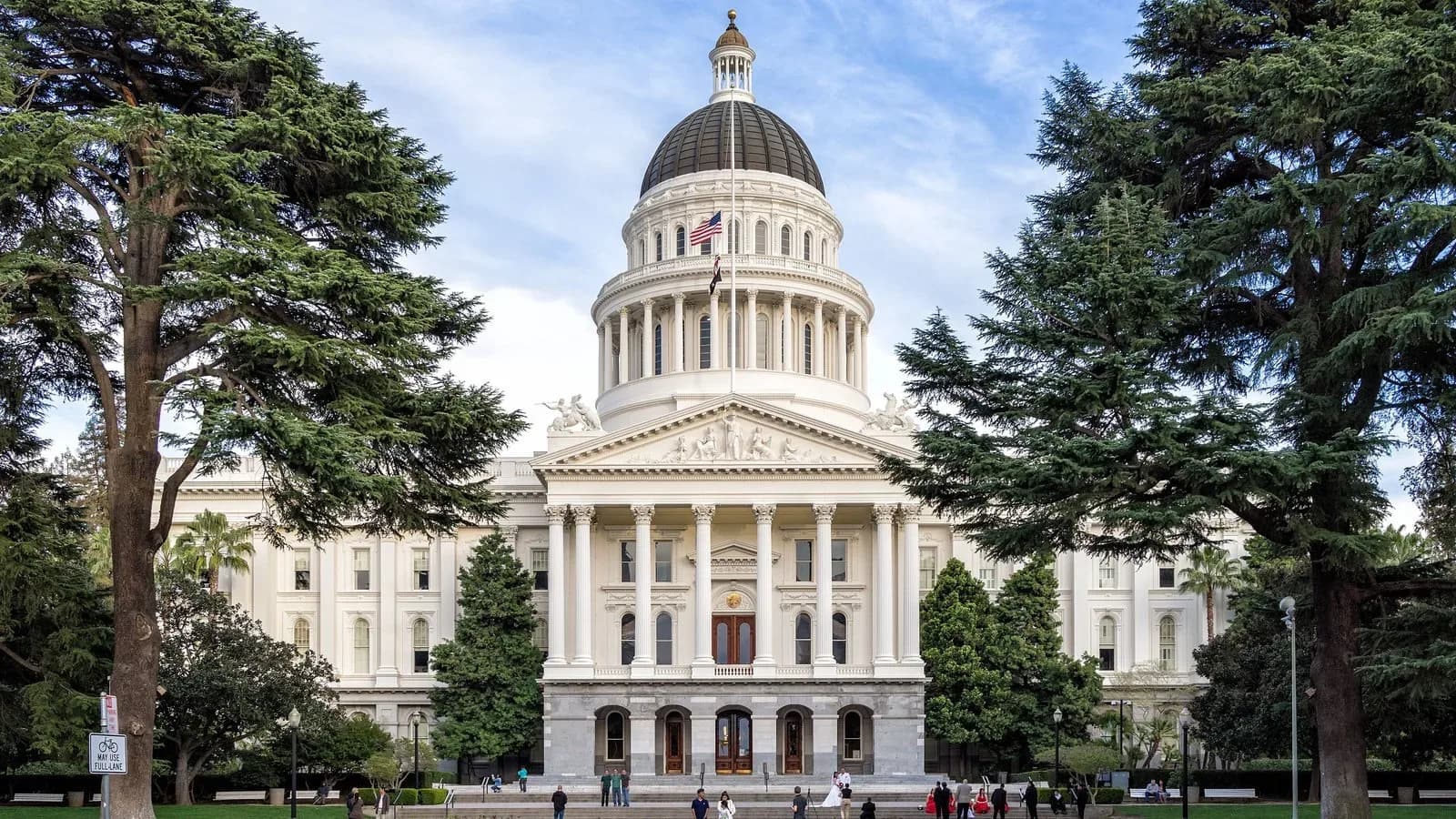
Hero photo: Andre m via Wikimedia Commons, CC BY-SA 3.0, cropped and resized.