Do Police Need a Warrant to Search Flock Camera Data? A Texas Robbery Case Puts the Question to a Federal Court
A man convicted of North Texas armed robberies says police tracked his movements through Flock cameras without a warrant. The 5th Circuit is weighing whether that was a search.
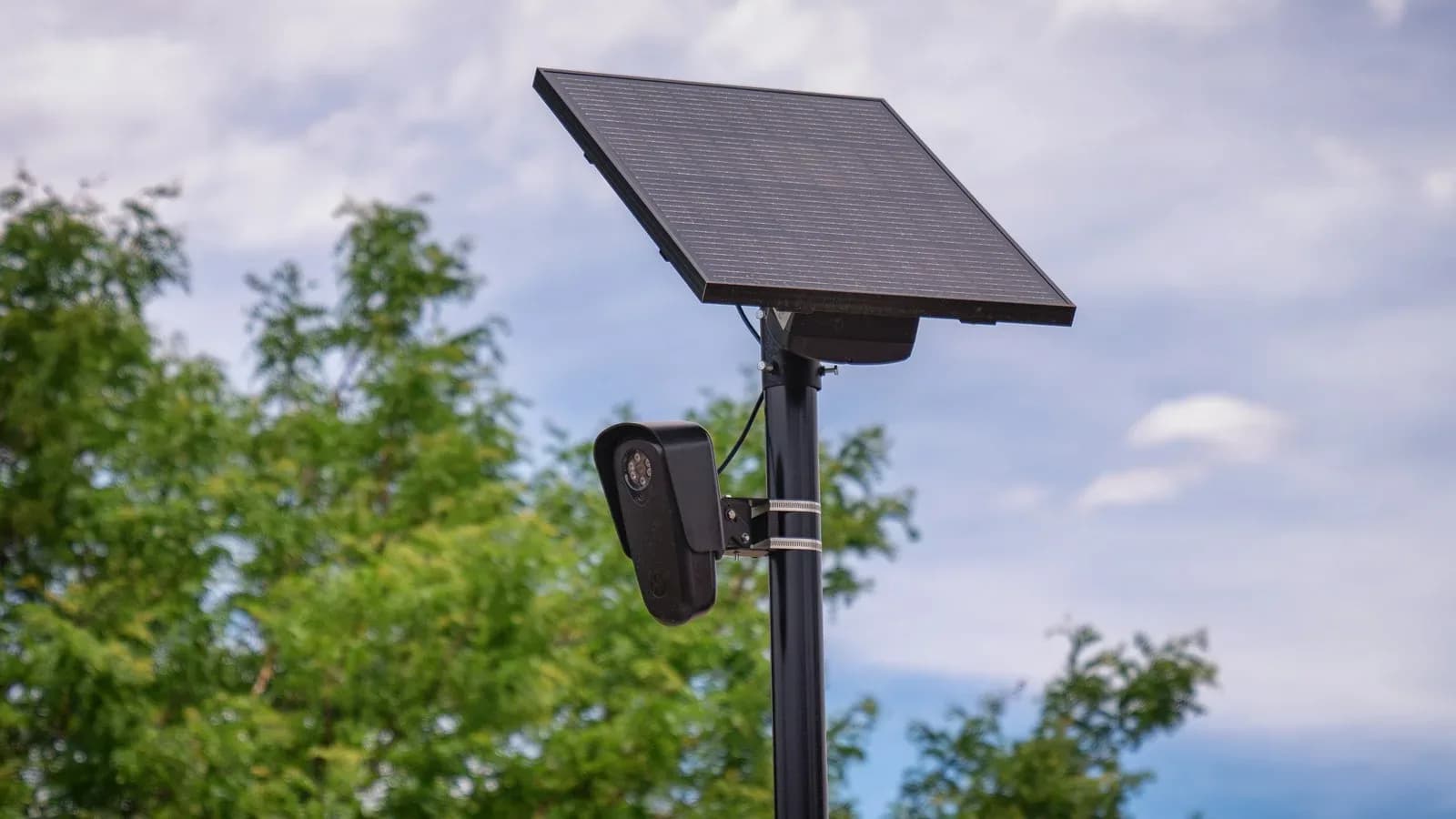
Flock cameras have become one of the hottest local fights in Texas. Cities are debating whether to keep them, counties are unplugging them and the state comptroller has barred his grants from paying for them. Now a federal appeals court is weighing the question underneath all of it: when police search Flock’s database, is that a search under the Fourth Amendment?
The answer could reach every Texan who drives.
The case
Police used Flock cameras to link Charles Brownlee to five armed robberies across several Dallas-Fort Worth suburbs in 2024 by compiling what his lawyers call a "pattern of life" from his travels along North Texas roads, the Texas Tribune reported Monday. Brownlee was convicted and sentenced to 60 years in prison.
Before trial, he asked U.S. District Judge Terry Means to keep the Flock evidence out, arguing police tracked his vehicle without a warrant. The judge declined. Brownlee’s lawyers have asked the 5th U.S. Circuit Court of Appeals to throw out the conviction. A three-judge panel heard arguments in New Orleans on Oct. 5.
According to Courthouse News Service, police searched the Flock database for cars that matched eyewitness descriptions of the getaway vehicle, found an SUV that had been near several of the robberies and then used the system to find where it was.
What the defense says
"They can tell when you go to work," Assistant Federal Public Defender Matthew Wright told the panel. "They can tell when you’re out late at night stepping out on your partner, when you’re going to church on Sunday. That’s a search."
"In the space of two and a half hours, they’re able to find literally a needle in a haystack," Wright said. "But they didn’t even know the needle they were looking for when they started."
His brief argued that driving is effectively mandatory in a place like Dallas-Fort Worth. "While individuals can, theoretically, choose not to carry a cell phone, driving is effectively mandatory for most Americans to participate in modern life," it said.
What the government says
Justice Department attorney Michael Weisbuch argued there is a "general rule that publicly observable movements are not protected," Courthouse News reported. He said Flock captures are "episodic," taken when a car passes a camera, unlike a phone that tracks a person everywhere.
"We all expect to be subject to intermittent surveillance when we’re driving around," he said. "It’s a reality of modern life."
Prosecutors also told the court in a brief that other evidence, including traditional surveillance cameras and cellphone data, was just as useful in finding Brownlee. "Brownlee can only make hyperbolic arguments about a future Panopticon," they wrote, according to the Tribune.
The judges pushed back
Chief Judge Jennifer Walker Elrod pressed the government. "Is that really the right rule in this day and age where everything is observed and it all can be analyzed instantaneously?" she asked. When Weisbuch described the monitoring as episodic, she asked, "What if it becomes not spread out and it’s on every corner, which it’s soon to be?"
Weisbuch answered that the political process is "a serious check" on that, and "a better check than an erroneous extension of Fourth Amendment." Judges Priscilla Richman and Irma Carrillo Ramirez also sat on the panel.
The same court ruled in March that a single camera alert leading to a traffic stop in Mississippi did not violate the Fourth Amendment. That ruling acknowledged, though, that such systems can let police "travel back in time to retrace a person’s whereabouts," the Tribune reported.
Lawmakers are watching
Flock’s software logs every vehicle that passes any of an estimated 13,000 cameras in Texas, according to the Tribune, and there is currently no legal requirement to get a warrant before searching the data.
That may change. State Sen. Lois Kolkhorst, a Brenham Republican, has promised legislation for the 2027 session. "My legislative actions on this issue will be founded in the Fourth Amendment," she wrote. U.S. Rep. Keith Self, a McKinney Republican, has proposed requiring federal agencies to get warrants before accessing Flock data.
Locally, Dock Line has covered Harris County unplugging its cameras, Odessa weighing the privacy cost, Sherman’s vote on its cameras and the comptroller’s move to bar his grants from paying for them.
Why it matters
Nobody wants armed robbers on the road, and police deserve good tools. But the Fourth Amendment was written for exactly this kind of question. A free people should not have to wonder whether a computer is quietly building a map of where they worship, work and sleep. If a judge has to sign off before police search your house, it is fair to ask whether a judge should sign off before police search your movements.
The 5th Circuit has not said when it will rule.