Growth Is Outrunning Montgomery County's Rulebook. Commissioners Want Austin to Change It.
A unanimous Oct. 8 resolution asks Texas lawmakers for limited new land-use authority over Montgomery County's unincorporated areas — home to roughly 78 percent of the county's estimated 781,194 residents. A separate vote the same day set a 30-day automatic-release backstop on a commissioner acknowledgment step for larger developments.
A unanimous Oct. 8 resolution asks Texas lawmakers for limited new authority over unincorporated areas — while a separate development-rule vote sets a 30-day automatic-release backstop for commissioner acknowledgment.
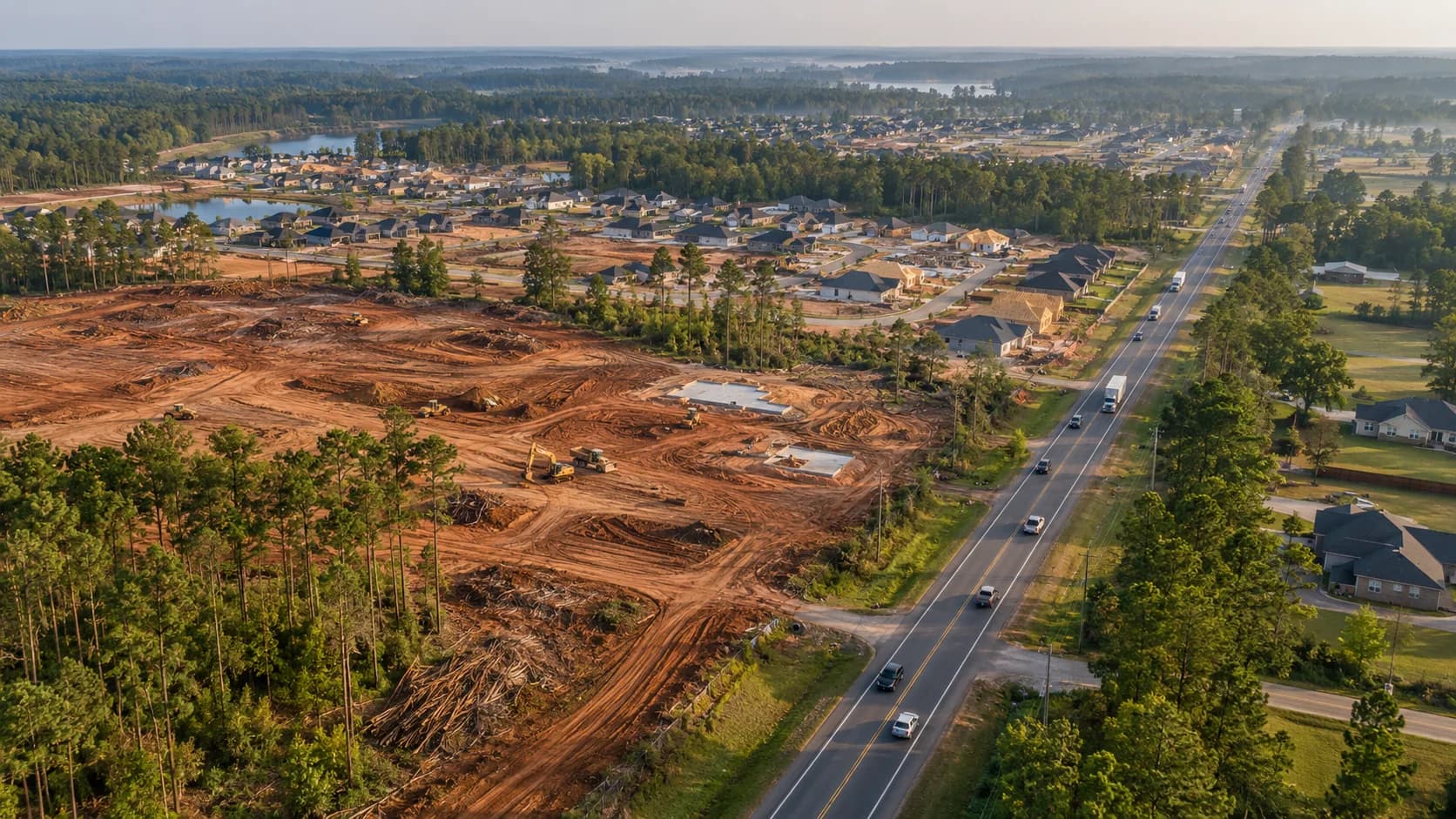
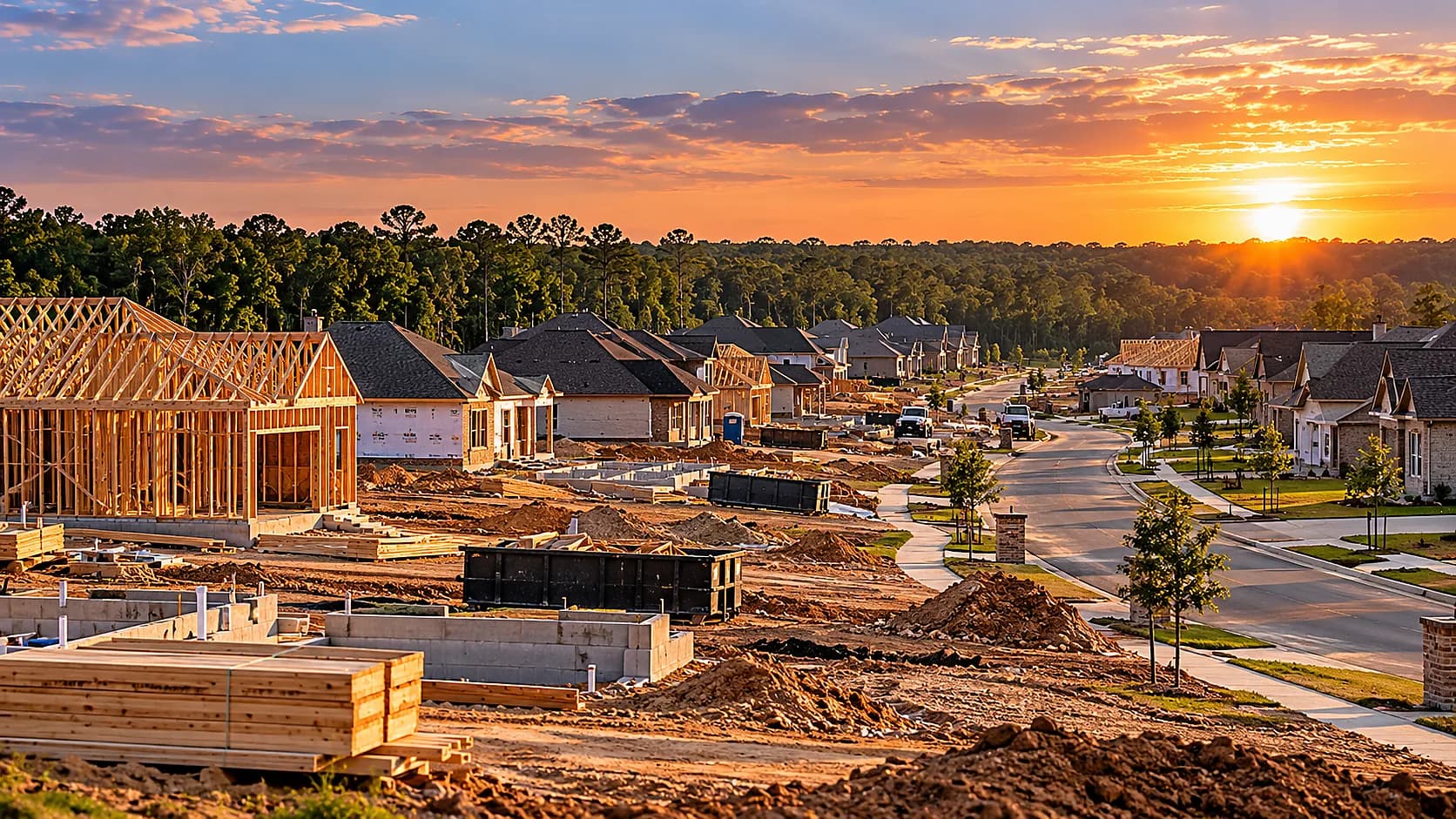
For months, the signs have been easy to see across Montgomery County: trees coming down, dirt moving, new rooftops rising, and traffic showing up before the roads seem ready for it. The latest U.S. Census Bureau estimate puts Montgomery County at 781,194 residents as of July 1, 2025, up 25.9 percent from the 2020 estimates base. Census QuickFacts also lists 13,614 building permits in 2025.
The question has been whether local infrastructure and the rules used to manage growth can keep up with the speed of development. On October 8, Montgomery County Commissioners Court gave a fairly direct answer.
The Resolution
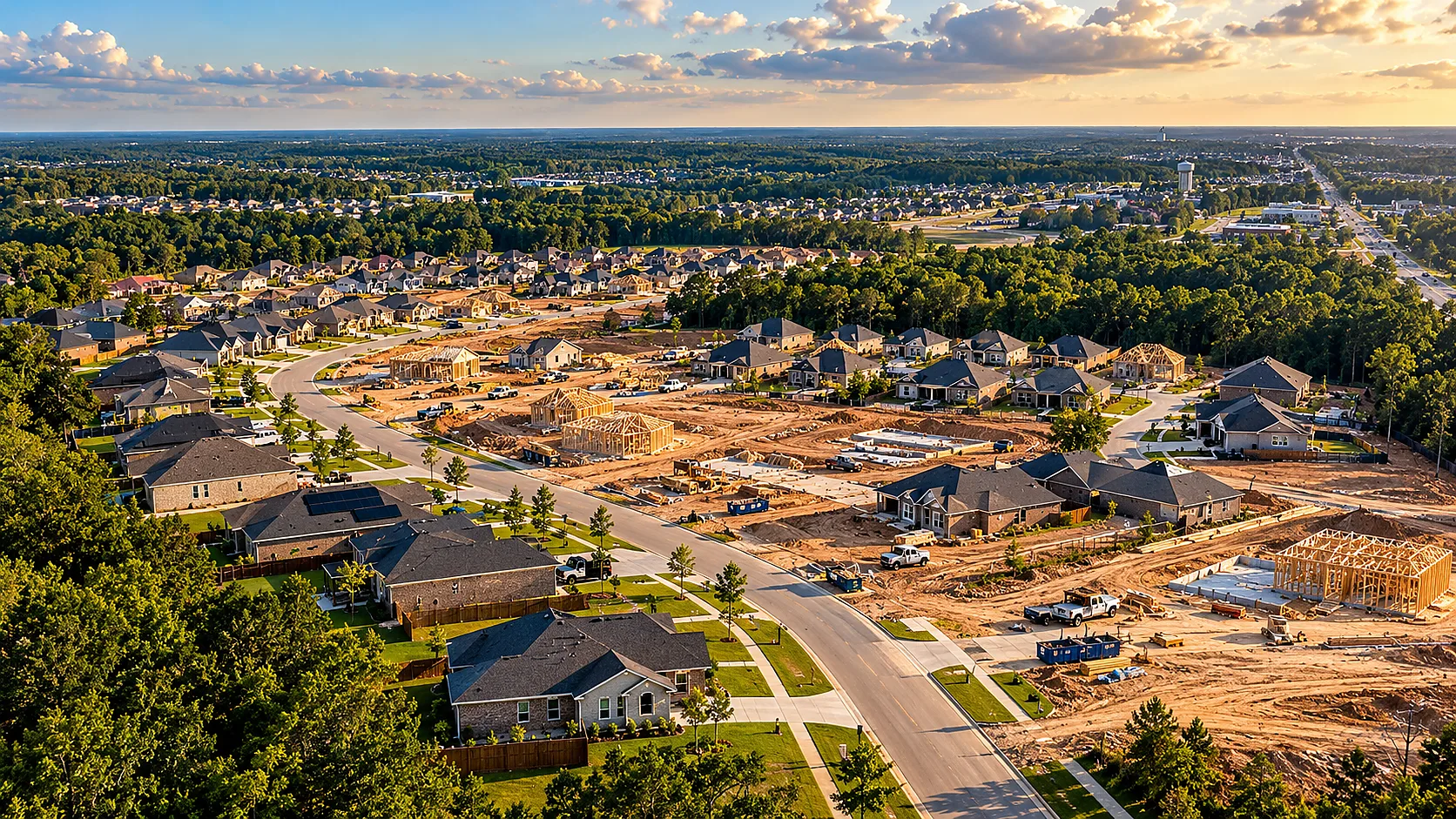
The court voted unanimously to send a resolution to the county's state representatives and senators asking the Texas Legislature for limited ordinance-making authority over land use and development in unincorporated parts of the county.
That may sound like a technical government story. It is not. Montgomery County says roughly 78 percent of the county is unincorporated. In those areas there is no city council with the same broad land-use authority available inside incorporated cities. The county can regulate subdivisions, roads, drainage and certain other development matters under powers granted by state law, but it does not have a general blank check to write local land-use rules whenever a new problem appears.
The October 8 resolution is Montgomery County telling Austin that the old toolbox may no longer be enough for the county it has become.
What the County Is Saying
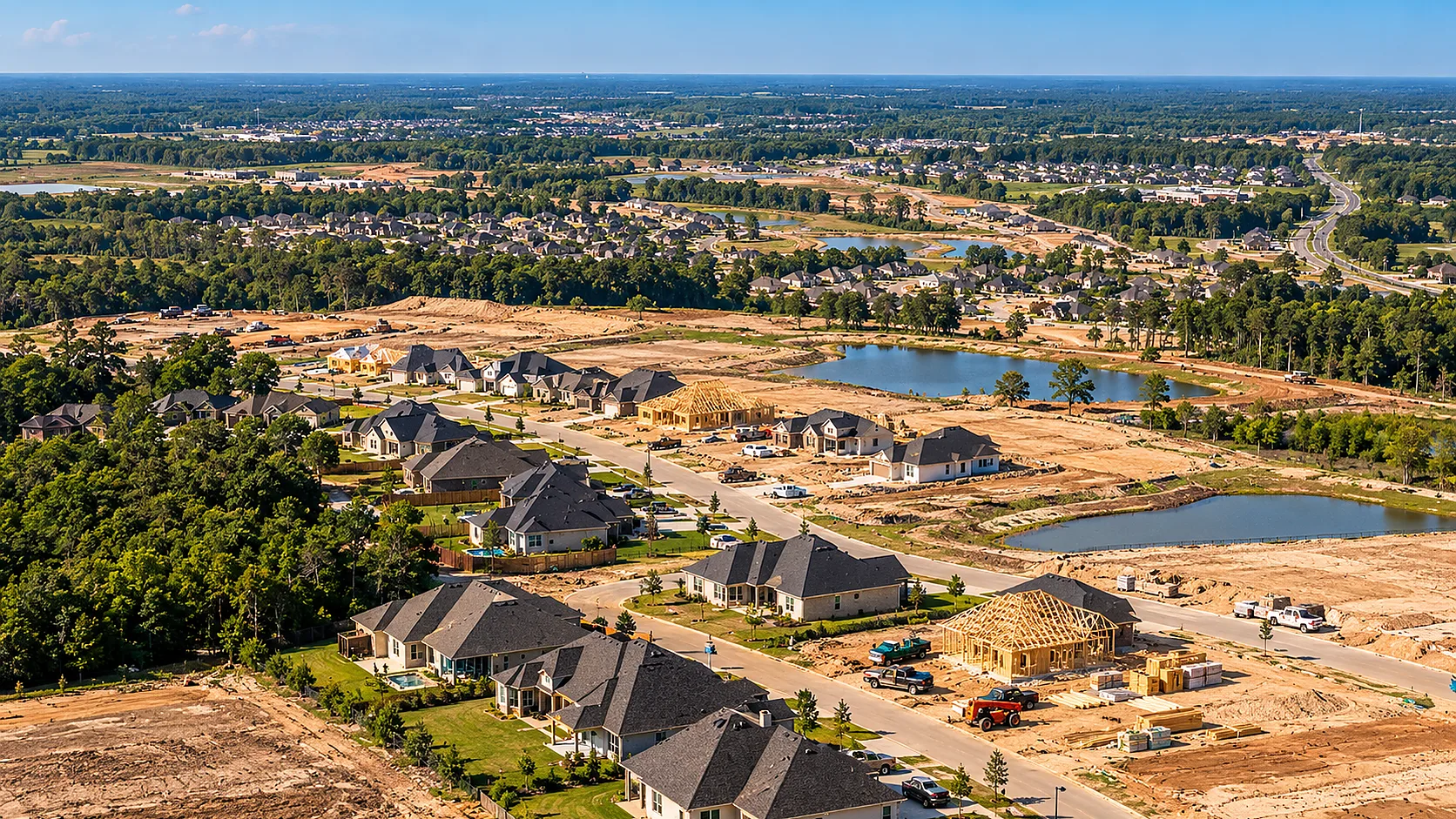
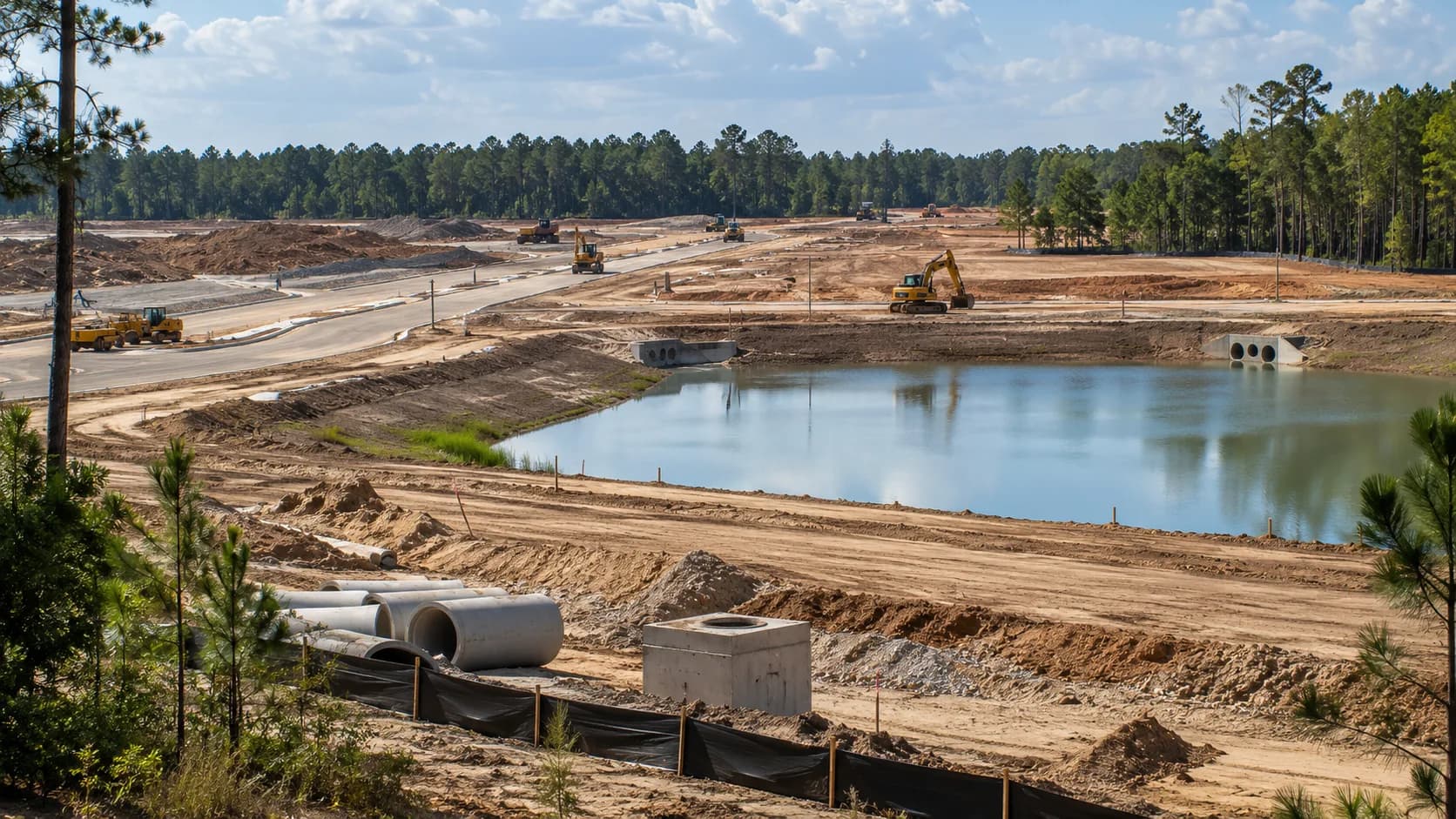
The county's own language is unusually clear. The resolution says the pace and scale of growth are outstripping the county's ability to provide and expand infrastructure and public services. It points to pressure on roads, drainage, utilities, public safety and other systems that have to absorb growth after the land is cleared and the homes and businesses arrive.
That is important because the argument is not simply that Montgomery County wants more power. The county is tying the request to a practical problem residents already recognize: development can be approved and built much faster than a road can be widened, a drainage project completed or a public-safety system expanded.
Under the resolution, the county is asking lawmakers for limited authority to adopt and enforce ordinances affecting development and land uses in unincorporated areas when needed to address public health and safety, infrastructure and utility capacity, natural resources, neighboring property and quality-of-life concerns. The same resolution also calls for protections for private-property rights, notice and public participation, due process and respect for the authority of incorporated cities.
In other words, this is not a vote to turn Montgomery County into one giant city zoning map. The court did not adopt countywide zoning on October 8, and the resolution does not itself create a new land-use ordinance. It is a request to the Texas Legislature for additional authority. Any real change would first require state lawmakers to pass legislation defining what a county could and could not do. The next regular Texas legislative session begins January 12, 2027, so this debate could easily stretch well into next year.
The Balance at Stake
That distinction matters in a place where growth and property rights are both taken seriously. More county authority can give residents another layer of protection when incompatible development, traffic, drainage or infrastructure pressures land on their doorstep. But broader authority also raises a reasonable question from landowners and developers: how much local control is enough, and where should the line be drawn?
Commissioners appear to know that balance will be the heart of the debate. Post-meeting reporting described the vote as unanimous and emphasized both the county's desire to remain business-friendly and its responsibility to protect residents, existing property investments and quality of life.
For Dock Line readers, this decision also connects directly to what has been happening on the ground. Willis, Montgomery, Conroe, Magnolia and the fast-changing corridors around FM 830 and FM 1097 are not abstract growth statistics. They are places where new subdivisions can add hundreds or thousands of daily vehicle trips, where drainage systems have to carry water somewhere, and where sheriff, fire, EMS, schools and utilities eventually feel the same growth that first appears as a bulldozer behind a tree line.
What State Law Already Allows
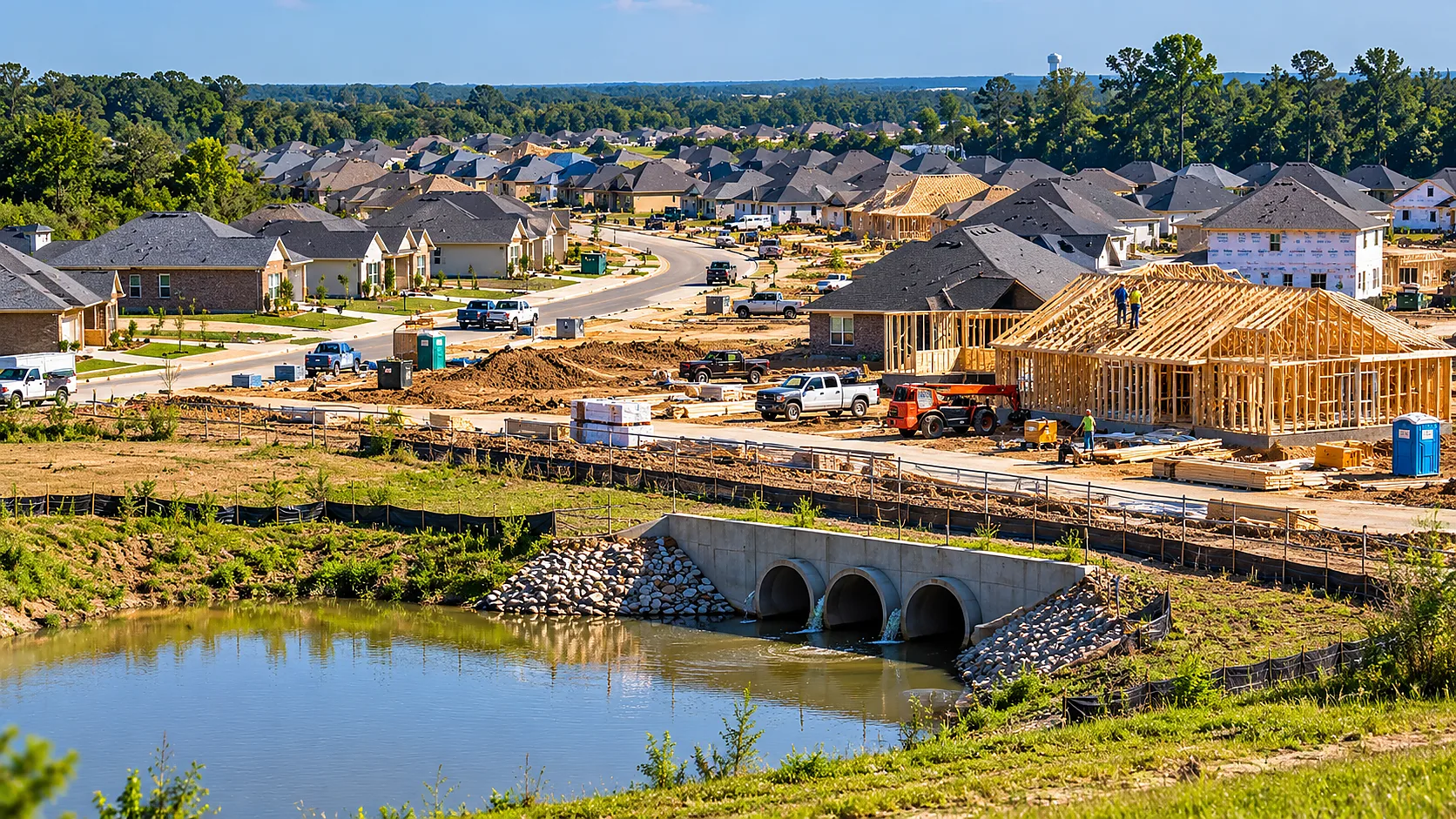
Texas law already gives counties specific authority over subdivision plats and certain development requirements. Chapter 232 of the Texas Local Government Code, for example, covers county regulation of subdivisions outside municipal limits. But specific authority is different from the broader ordinance power cities generally use to respond to changing local conditions. Montgomery County's resolution is essentially asking lawmakers to narrow that gap without erasing private-property protections.
A Separate Vote: The 30-Day Acknowledgment Clock
The October 8 meeting also settled a separate development-regulation question. Under the county's existing rules, developments larger than five acres must coordinate with the applicable commissioner's office before their earliest engineering submittal, and written acknowledgment from that office must accompany the development application. The unresolved issue was how long that acknowledgment step could hold up the process.
During the October 8 discussion, Commissioner Charlie Riley said even a 14-day wait was too long. The court ultimately approved a 30-day automatic-release backstop. That is a maximum clock, not a mandatory 30-day wait: if the commissioner's office completes the coordination sooner, the application can be released sooner; if it is not released earlier, the acknowledgment step automatically releases at 30 days rather than remaining open-ended.
That 30-day clock is also a practical example of why the fine print will matter if Austin grants broader county authority. What types of land uses could the county regulate? Would there be exemptions? What notice would neighbors receive? What standards would commissioners have to meet before imposing a rule? How would a property owner appeal? And would lawmakers tailor new authority to fast-growing suburban counties or open the door more broadly across Texas?
What Comes Next
Those questions have not been answered yet, because the October 8 action starts the conversation rather than finishes it. Montgomery County has spent years advertising the benefits of growth, and much of that growth has brought jobs, homes, investment and new businesses. The harder part comes afterward: making sure the roads, drainage, emergency services and rules around development grow up at the same speed.
This week, Commissioners Court formally acknowledged that the county believes its current rulebook is falling behind. Now the question moves to Austin: how much more authority should one of Texas' fastest-changing counties have to manage what is being built outside its city limits — and how should that authority be balanced with the rights of the people who own the land?