Maybe Diplomacy Needs a Kitchen Table
Governments negotiate across polished tables. People often understand one another over food, music, games, and time.
Governments negotiate across polished tables. People often understand one another over food, music, games, and time.
Most ordinary people do not wake up in the morning hoping to hate someone in another country.
They wake up thinking about work, children, bills, breakfast, the weather, and whether the car is going to start. They may complain about prices, argue over sports, worry about an aging parent, or wonder what to cook for supper. Somewhere on the other side of the world, people they have been told to fear are probably doing much the same thing.
Then governments speak.
They issue warnings, draw lines, impose sanctions, move troops, and describe millions of unfamiliar people as a threat. Before long, two populations that have never met are expected to regard one another as natural enemies.
There is an old statement that gets at this uncomfortable divide: people do not start wars; governments do.
Taken literally, that is too simple. Governments are made of people. Ordinary citizens can support war, demand revenge, spread hatred, and cheer decisions they will never personally have to carry out. But the saying still points toward something true: the people whose lives will be changed most by war are rarely the people sitting in the room when the decision is made.
Which raises a thought that sounds almost too ordinary for international affairs.
What if leaders spent less time performing across a conference table and more time sitting around a kitchen table?
Why Governments Do Not Act Like Neighbors
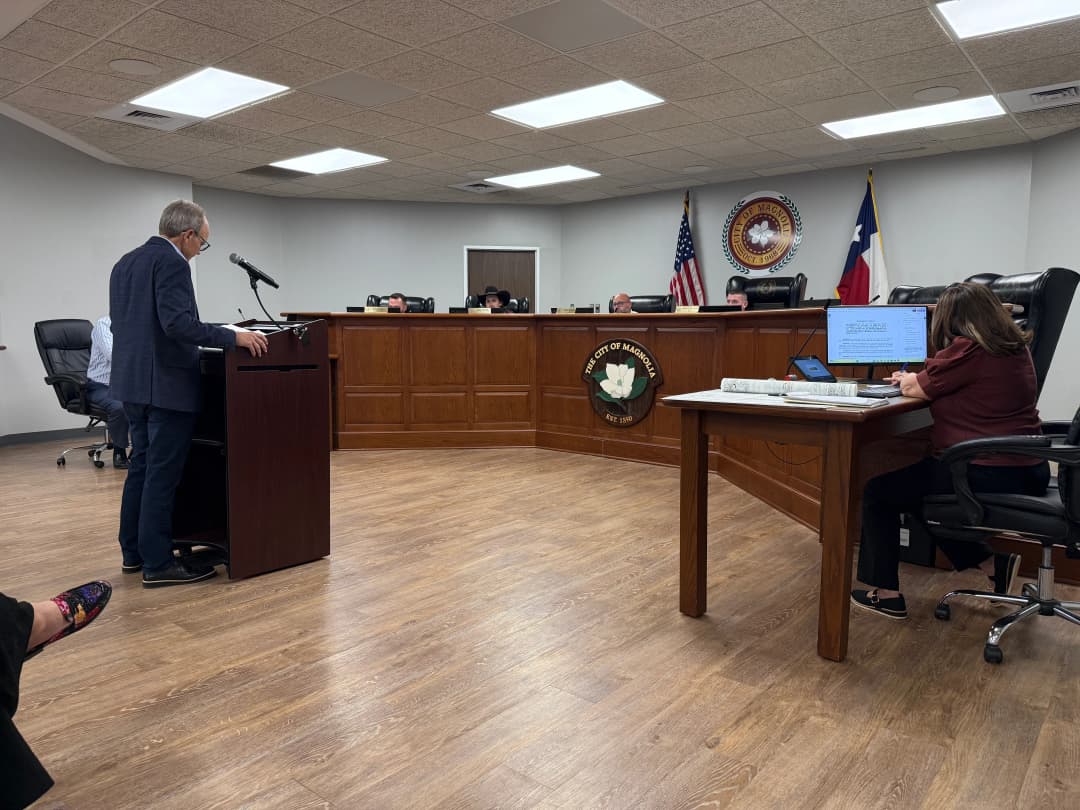
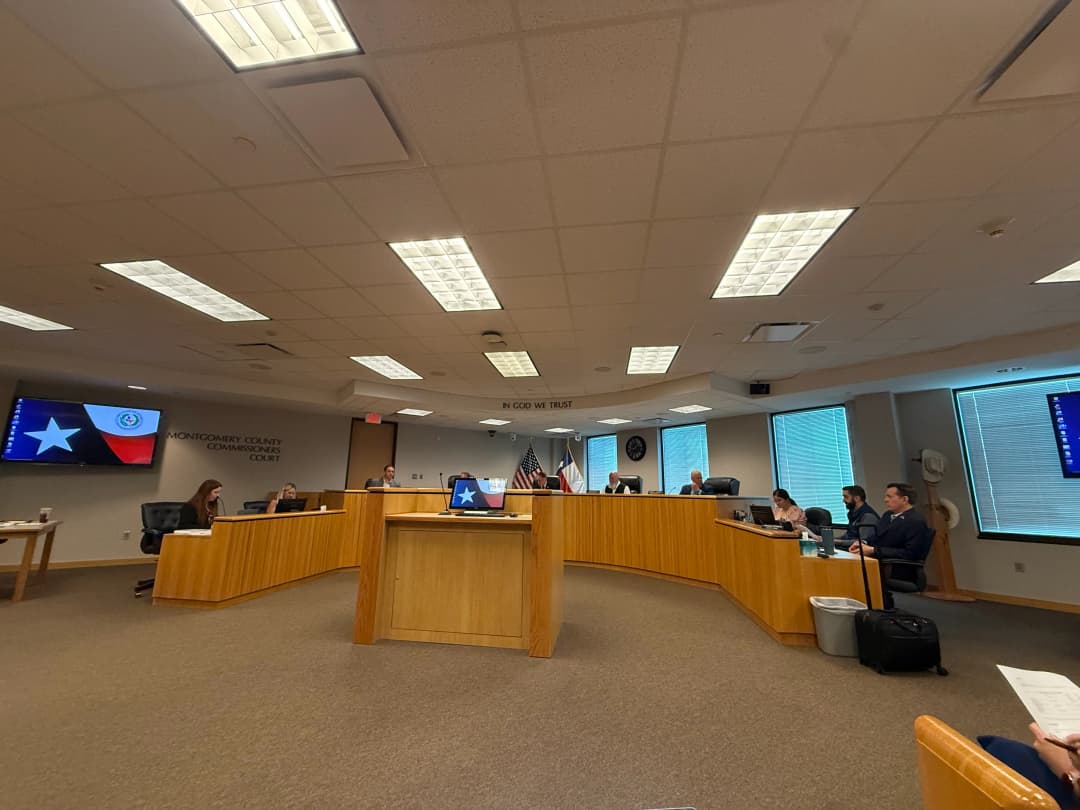
Governments are not simply large versions of ordinary households. They represent territory, military power, resources, alliances, history, and national pride. A leader is rarely speaking only to the person across the table. Every sentence is also aimed at voters, party officials, generals, allies, rivals, markets, and cameras waiting outside.
That changes the conversation.
An ordinary person can say, “I may have been wrong.” A head of government may worry that the same sentence will be described as weakness. A neighbor can forgive an insult and move on. A nation may carry the memory of a border, invasion, betrayal, or humiliation for generations.
Even when two leaders personally like one another, the institutions behind them may still have incompatible interests. Personal warmth cannot erase a military threat, settle a territorial claim, or make a broken agreement trustworthy.
So yes, governments often behave unlike normal people. They are carrying more than one person’s feelings into the room.
But that does not mean the human part is useless. It may mean the human part has been pushed too far to the side.
The Conference Table Has a Problem
Formal diplomacy is necessary. Treaties need words. Borders need maps. Ceasefires need dates, responsibilities, verification, and consequences. Serious disputes cannot be solved by passing the potatoes and hoping everybody feels better afterward.

Still, the usual setting can make honesty harder.
Leaders sit across from one another under bright lights with flags behind them and aides along the walls. Every gesture is watched. Every phrase may become a headline. Nobody wants to appear uncertain, surprised, or too friendly with the person their own supporters have been taught to distrust.
The meeting may be called a conversation, but much of it is performance.
Around a kitchen table, people behave differently. They interrupt. They tell stories. They discover who cannot handle spicy food. Somebody laughs at the wrong moment. The polished titles begin to slip, and the person underneath becomes harder to ignore.
That does not solve the dispute. It changes the people who must try to solve it.
Food, Music, and Games Speak Before Politics Does
Human beings have always found ways to communicate before they fully understood one another’s language.

They share food. They trade songs. They play games. They watch one another celebrate, mourn, compete, cook, and laugh.
Governments already use these connections because they work. Cultural, educational, and sports exchanges are built on the idea that people-to-people contact can weaken stereotypes and create relationships that official statements cannot. The U.S. State Department describes sports and culture as ways to cross borders, challenge assumptions, and build longer-lasting ties.
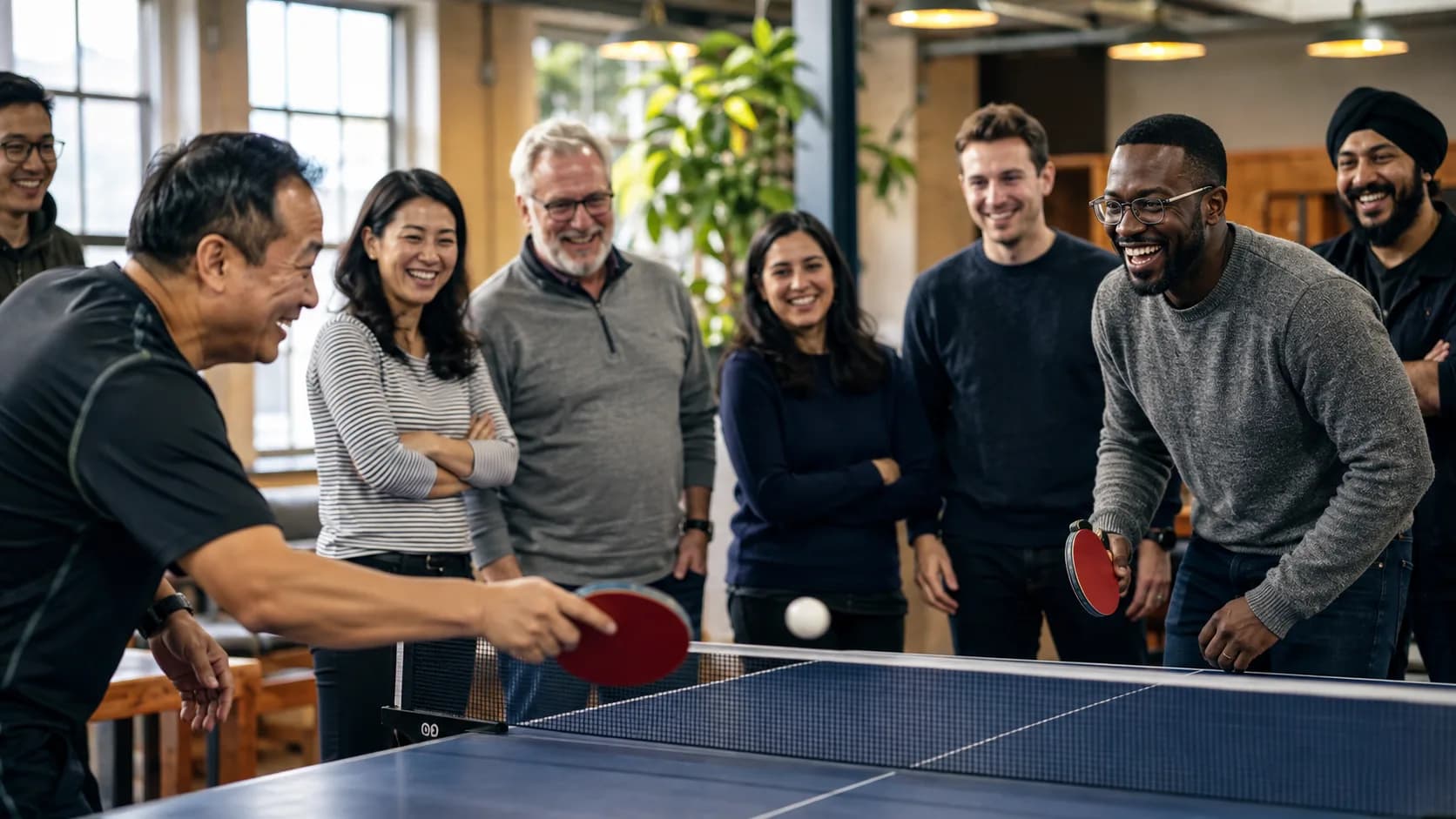
One famous example began in 1971, when members of the U.S. table tennis team visited China. The event became known as ping-pong diplomacy and helped prepare the ground for a major thaw in relations between the two countries. A small ball moving back and forth across a table did not settle every disagreement. It did make contact possible where almost none had existed.
Decades later, baseball became part of renewed contact between the United States and Cuba. The game did not erase political differences, but it gave both countries a familiar language that was not made of threats.
Research on contact between groups points in the same general direction. Positive contact often reduces prejudice, partly by lowering anxiety and increasing empathy. Research on shared food has also found that eating similar foods can increase trust and cooperation between strangers.
Apparently, “What are we eating?” may occasionally be a better opening question than “What are your strategic demands?”
The Kitchen Table Is Not Magic
It would be comforting to believe that every war could be prevented by a good meal, a favorite song, and a competitive game of cards. History does not allow that much optimism.
Leaders can share dinner and still order violence. A charming person can remain dangerous. Hospitality can be used as theater. Personal friendship may even hide serious differences that should not be ignored.
There are also conflicts where one side is being invaded, oppressed, or threatened. Asking the injured side to understand the aggressor over dessert can become insulting. Peace requires justice, security, accountability, and agreements strong enough to survive after the dishes are cleared.
The kitchen table is not a replacement for diplomacy.
It is a place where diplomacy might become more human before returning to the hard work.
A Different Kind of Summit
Imagine two national leaders arriving for a summit that does not begin with speeches.
They spend the first evening in an ordinary home rather than a ceremonial hall. They cook one dish from each country. They meet teachers, mechanics, parents, small-business owners, veterans, and young people who will live with the consequences of whatever is decided.
They attend a game without being placed in separate glass boxes. They listen to music neither side selected for propaganda value. They talk without microphones, prepared applause, or an aide passing notes after every sentence.
Perhaps they visit each other’s countries more than once and stay long enough to see something beyond airports, motorcades, and guarded government buildings.
Security officials would hate the idea. Protocol officers might need medical attention. Television commentators would complain that nothing important was happening.
That might be exactly the point.
Important things sometimes happen when nobody is giving a speech.

People Are Harder to Hate Up Close
From a distance, an enemy can become a flag, a slogan, a uniform, or a frightening image repeated on television. Up close, the enemy may be someone worried about a daughter, proud of a hometown, embarrassed by a joke, or curious about food they have never tasted.
That discovery does not require agreement. Understanding someone is not the same as approving of them. Empathy does not mean surrender. It simply makes it harder to pretend that the people on the other side are less human than the people on ours.
Ordinary people discover this every day. Exchange students live with families. Immigrants become neighbors. Athletes compete and shake hands. Musicians perform for audiences who do not share their politics. Travelers sit beside strangers and learn, sometimes reluctantly, that the world is not divided as neatly as the speeches suggest.
The people often find common ground before their governments do.
Maybe Peace Needs Two Tables
The polished conference table still has a purpose. It is where details are negotiated, promises are written, and governments are held to what they sign.
But perhaps diplomacy also needs a kitchen table—the place where people stop representing millions for a moment and begin encountering one another as individuals.
A meal will not end every war. Music will not remove every grievance. A game will not make every leader reasonable.
They may, however, create one small hesitation before another person is reduced to an enemy. They may open a door that policy alone could not. They may remind leaders that the map on the table is filled with homes, families, ordinary mornings, and people who would rather get on with their lives than become part of history.
Countries negotiate interests. People discover each other.
Maybe peace requires more of both.
Sources
U.S. Department of State — Cultural, Educational, and Sports Diplomacy
National Museum of American Diplomacy — Beijing Banquet Menu
Pettigrew & Tropp — Intergroup contact theory meta-analysis (2006)
Woolley & Fishbach — Similar food consumption and trust (2017)
The kitchen table is presented as a complement to formal diplomacy, not a replacement for it.