

Nathan Johnson Will Stop Suing Out-of-State Abortion Pill Doctors. Here Is What Democrats Can and Cannot Change
Attorney General-elect Nathan Johnson says he will drop Paxton's lawsuits against out-of-state doctors who mail abortion pills. The Texas ban stays, but appointments and budgets could shift.
Texas Attorney General-elect Nathan Johnson says he will stop suing out-of-state doctors who mail abortion pills to Texas women. It is the first concrete sign of how Tuesday's Democratic sweep could change the way the state's abortion law is enforced, even though the law itself is not going anywhere soon.
"The first thing I do when people ask me about abortion is point out that I'm not a legislator, and I can't change abortion law," Johnson told The Texas Tribune. "What I can do is cease using Texas abortion laws as an instrument of persecution and intimidation, harassment and political showboating."
Christians who believe every unborn child bears the image of God should read that carefully. The law protecting those children stays on the books. What changes is who is willing to defend it in court.
What Johnson says he will stop
It is illegal for Texas doctors to mail abortion medication within the state. Under outgoing Attorney General Ken Paxton, who gave up the office to run for the U.S. Senate, the state went further and sued doctors in other states who prescribed the pills to Texans. Those lawsuits ran into "shield laws" in Democratic-led states that protect physicians who send the drugs across state lines.
Johnson said he will drop that approach. "I will not pursue the judicially absurd position that Texas law has extra territorial effect," he told the Tribune. "I can honor other states' shield laws."
The Tribune reported that the move removes an obstacle for women seeking abortion pills by mail. It also takes away one of the strongest enforcement tools the national pro-life movement had, since the Texas attorney general's office had been among the most aggressive in the country. Johnson won the office in the same wave that carried Democrats to every statewide race on Tuesday. Dock Line laid out what Johnson and his opponents promised before the vote.
What the governor-elect cannot do
Governor-elect Gina Hinojosa cannot repeal the state's near-total ban with her own signature. The Tribune noted she told Politico in September that repeal would not be a priority, because it would need a Republican-controlled Texas Senate to pass it, and that looks unlikely.
University of Houston political scientist Brandon Rottinghaus told the Tribune that a governor can still shape how the law is applied. "She can influence how portions of the law are implemented, and how certain exceptions are interpreted," he said.
Hinojosa has said she would work to end penalties for doctors who perform abortions to save a mother's life. The Tribune pointed out that lawmakers already added protections for doctors in those cases last year.
Where pro-life Texans are watching
John Seago, president of Texas Right to Life, told the Tribune he is not worried about a standalone abortion bill passing next session. His concern is quieter changes made through budgets and appointments.
The first is the program once called Alternatives to Abortion, now named Thriving Texas Families. It sends more than $200 million to private contractors who, among other services, counsel pregnant women toward life. Seago said Hinojosa has consistently voted against the program, and he could see her moving to defund it or shift the money elsewhere.
The second is leadership at the Texas Health and Human Services Commission, which runs that program. Commissioner Stephanie Muth's appointment expires Feb. 1, giving the new governor a chance to name someone else. The commission is also up for Sunset review, the process lawmakers use to reshape or even eliminate parts of an agency. That review gives the Legislature wider room to change the agency's budget priorities, including the Thriving Texas Families money.
The third is the Texas Medical Board. A block of seats on the 19-member board expires in April. New appointees could rewrite the board's guidance to doctors about when they may legally end a pregnancy to save a mother's life. The board's current guidance, issued two years ago, was criticized by health care advocates as leaving too much burden on doctors in emergencies.
The state's Maternal Mortality and Morbidity Review Committee also faces Sunset review, and its delayed report is expected to examine deaths since the ban took effect.
What stays the same
Seago said the state's private-enforcement law, which lets citizens sue those who provide abortion pills in violation of Texas law, will not be revisited next session and will remain in force. He also expects other states to keep pressing their own challenges to abortion pills by mail.
On the other side, Avow Texas executive director raven e. Freeborn told the Tribune her group will push for "abortion access without exceptions" and is ready for a long fight, noting it took Republicans decades to pass the ban.
The bottom line
Laws matter, but so do the people sworn to enforce them. Texas still protects unborn children by statute. Starting in January, an attorney general who does not share that conviction will decide how hard to defend it, and a governor will pick the people who run the agencies and boards that apply it.
That puts more weight on the Texas Senate, where Republicans held their majority, and on ordinary believers. Pregnancy centers, churches and families who open their homes do not need a state contract to care for a mother in crisis. If funding shifts in Austin, the call to love both mother and child does not change.
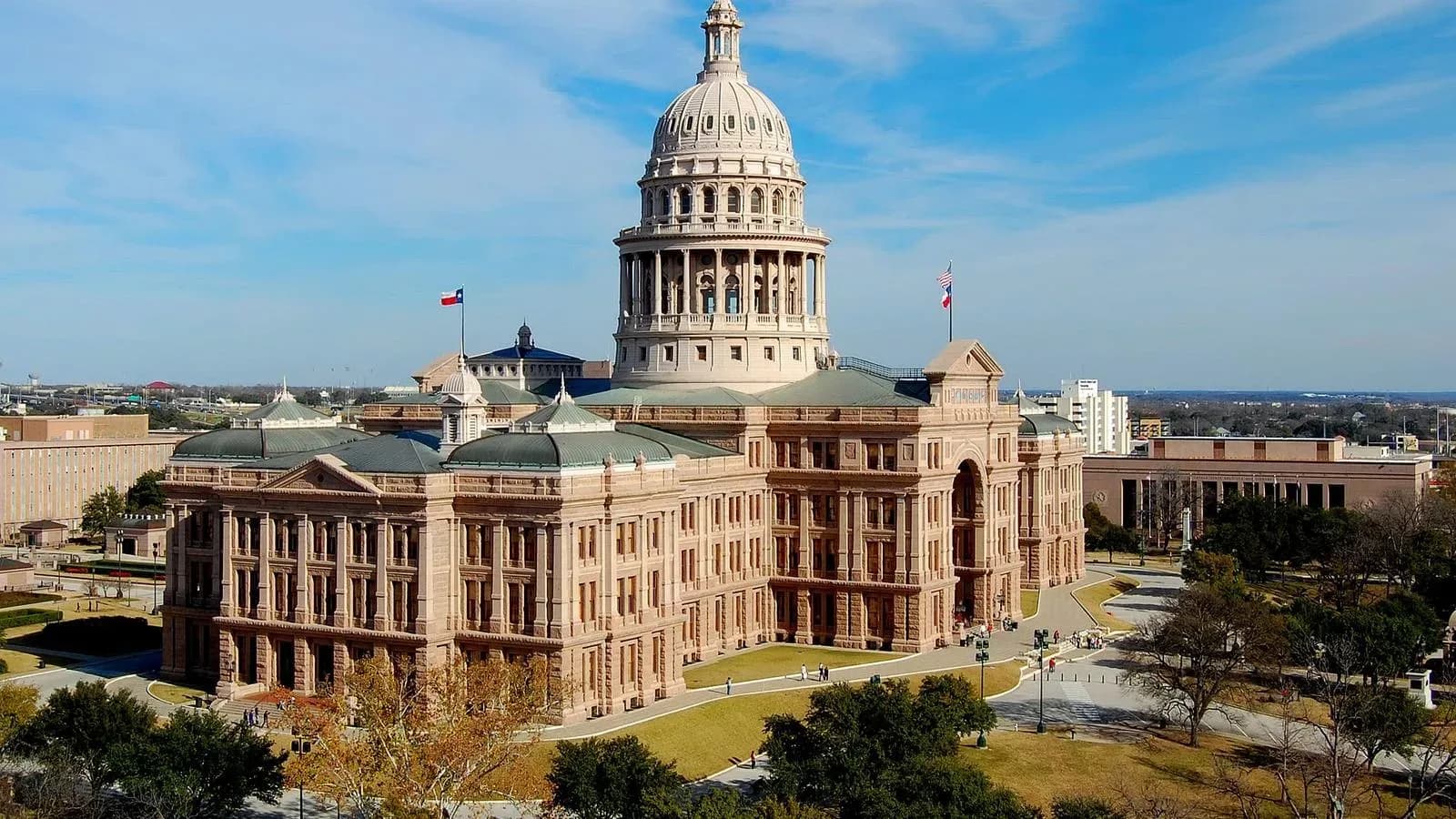
Hero photo: The Texas State Capitol in Austin. File photo from 2010. Statewide officials elected Tuesday take office in January. Photo: LoneStarMike / Wikimedia Commons, CC BY 3.0.
More Politics & Government Stories
 Today
Hakeem Jeffries Asks Democrats to Make Him Speaker and Promises a 100-Day Push. Walk Humbly With the Gavel.
 Today
Hickory Creek Voters Reject Plan to End Economic Development Corporation
 Today