Supreme Court Leaves Texas-DOJ Deal Ending a Biden Deportation Rule in Place. Win on the Law, Not by Handshake.
The Supreme Court declined to restore the administrative-closure rule that let immigration judges pause some deportation cases, leaving a Texas-DOJ consent judgment in force.
The facts come first below. My opinion follows in the section marked as opinion.
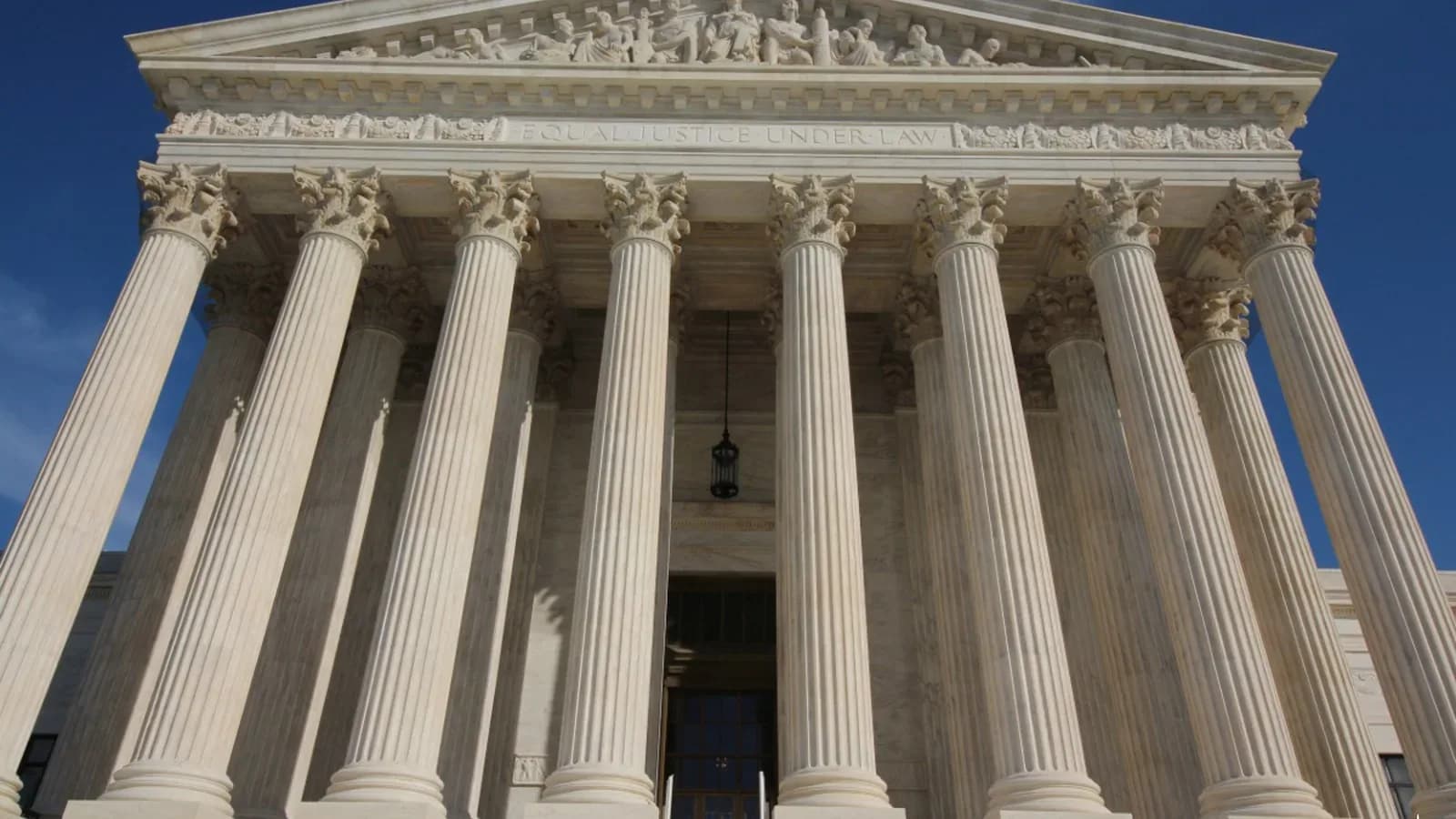
The Supreme Court on Tuesday declined to restore a Biden-era regulation that allows immigration judges to suspend some deportation proceedings, turning down a request from three cities and an immigrant legal services group to pause an agreement between Texas and the U.S. Department of Justice that threw out the rule. The brief, unsigned order carried no noted dissents, SCOTUSblog reported.
The court gave no explanation, and the order will apply while the litigation goes forward, Bloomberg Law reported. The case is Baltimore v. Texas.
What the rule did
The regulation provides what is known as "administrative closure." It was adopted in 2024 by the Executive Office for Immigration Review, part of the Justice Department. Under it, immigration judges may suspend some deportation proceedings, for example to allow a crime victim or witness to seek relief such as asylum from U.S. Citizenship and Immigration Services, a separate agency, according to SCOTUSblog.
Texas and the Justice Department say the regulation cannot be squared with federal immigration law. Supporters say it formalized a longstanding practice among immigration judges of closing cases when circumstances warrant, Bloomberg Law reported.
A lawsuit settled the day it was filed
In June, Texas sued in federal court in Wichita Falls, where the case went to Chief U.S. District Judge Reed O'Connor, the only federal judge in that area. Texas called the rule "one part of the Biden-Harris Administration's campaign to undermine our immigration laws." Within hours of the filing, the Justice Department and Texas asked O'Connor to enter a final judgment for the state, throw out the rule and bar the agency from adopting a similar one in the future. O'Connor granted those requests the same day, SCOTUSblog reported.
Baltimore; New Haven, Connecticut; Columbus, Ohio; and Centro Legal de la Raza then asked to join the case so they could defend the rule on appeal. O'Connor ruled they lacked standing, and the 5th Circuit refused to block the consent judgment while their appeal continues, according to SCOTUSblog.
The challengers told the justices the case involved "egregious collusion." They argued, "A significant regulation that established certain important procedures in immigration courts was erased over the course of a single day, without meaningful judicial review, public participation, or adherence to the APA's rulemaking requirements," Bloomberg Law reported.
Solicitor General D. John Sauer answered that the request "attempts to improperly leverage a clear-cut dispute over intervention into a far-reaching attack on the merits of a consent judgment." He added, "This court should not allow applicants to put the cart before the horse," according to Bloomberg Law. Texas told the justices that pausing the ruling "would revive a rule the district court declared unlawful," SCOTUSblog reported.
Opinion: The law may be on Texas's side, but the process should not be a handshake
There is a fair argument that this rule went too far. Congress writes immigration law, and if the statute tells immigration judges to decide whether a person is removable, an agency should not create a standing side door to set cases aside. Texas and the Justice Department may well be right on the merits. A rule written by one administration can be undone by the next.
But how a rule is undone matters. When the plaintiff and the defendant agree before the ink is dry, no one in the courtroom is arguing the other side. A judgment entered within hours, binding future administrations too, was reached without a real contest. I would object just as strongly if a Democratic administration and a friendly state used the same method to lock in their own policy.
The wisdom of the ages is that a case is not settled until both sides are heard: "He that is first in his own cause seemeth just; but his neighbour cometh and searcheth him" (Proverbs 18:17). The Supreme Court's order only keeps the judgment in place while the appeal proceeds. It does not decide whether the deal was proper.
As with Supreme Court Lets New Hampshire Bar Student IDs at the Polls, clear rules are good. The way to make them lasting is for Congress to write them or for agencies to change them in the open. Secure borders and honest courts belong together.