Taylor Council Takes Up Data Center Rules With 1,000-Foot Setbacks and Noise Caps
Two weeks after approving a data center campus deal, Taylor's council opens a hearing Thursday on its first rules for data centers, including 100-acre sites, noise limits and monitoring.
Two weeks after Taylor signed off on a development agreement for a data center campus, the City Council is set to take up the rules any future data center would have to follow.
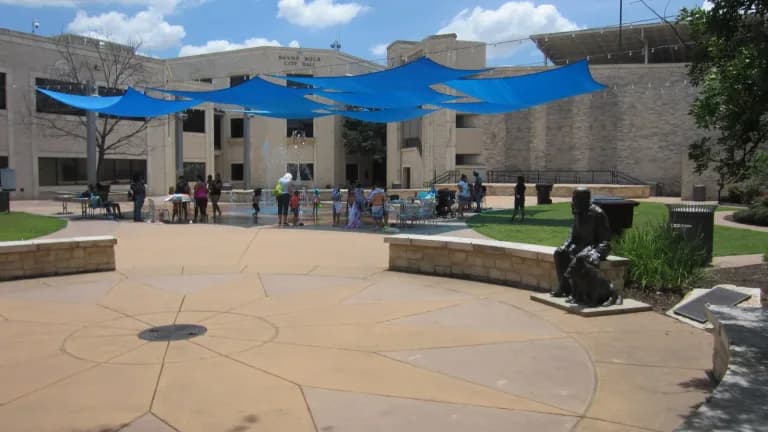
The council meets at 6 p.m. Thursday, Oct. 22, in the Council Chambers at City Hall, 400 Porter Street. Item 9 on the agenda is a public hearing and introduction of Ordinance 2026-37, the Phase 1B update to the city's Land Development Code. It is an introduction, not final adoption.
The ordinance covers several things, including home businesses, accessory dwellings, short-term rentals and parking. But the largest new piece is Section 4.4, which creates a new framework for what the code calls "Digital Infrastructure" uses. A staff memo in the meeting packet says the category covers data centers, cryptocurrency mining and energy production and storage facilities.
What the draft requires
According to the staff memo, public input shaped the data center section more than any other part of the update. Input centered on setbacks, noise, water use, generators, screening, monitoring and enforcement. The revised draft:
raised the minimum site from 50 acres to 100 acres;
requires an acoustic study for every proposal and adds standards for low-frequency, tonal and intermittent noise, plus vibration limits;
requires continuous monitoring of noise and utility use, with monthly reports to the city manager;
requires Tier IV generators;
adds a three-mile buffer between digital infrastructure sites; and
confirms the city's right to publish information about each proposal.
Every such project would also need Employment Center Plan approval before it could locate anywhere in the city. The application would have to include a use agreement and a management plan.
Two boards pushed it further
The city's Comprehensive Plan and Development Code Advisory Committee approved the data center section 10-0 on Sept. 16. It added conditions: raise the building setback from 500 feet to 1,000 feet, and require noise monitoring daily in the first month, tapering to monthly after month five. It also asked for twice-yearly public reports on water, wastewater, energy use, emissions and power sources.
The Planning and Zoning Commission held its hearing Oct. 13 and approved the section 5-1. It set a 1,000-foot setback for all structures and mechanical equipment, 12-foot berms, and a noise cap of 45 dBA at all times. It also attached air quality rules. Developers would pay for independent air monitors to set a baseline for at least 90 days before a certificate of occupancy is issued. Criteria pollutant levels at the fence line could not run more than 10% above that baseline on a rolling 24-hour average. If an exceedance were not fixed within 24 hours, the city could restrict or cut off city water or wastewater service.
Vice-Chairperson Gonzalez cast the lone no vote, citing concerns about whether those air quality rules are legal.
The legal question
Staff shares that question for now. The memo says the City Attorney is reviewing whether Taylor has the authority to impose and enforce air quality rules through its development code, "particularly in light of existing state and federal regulation of air emissions," and has not finished that review. Staff recommends approving the Phase 1B package as presented, with the air quality amendments split off from the data center section.
Why now
The data center question is not hypothetical in Taylor. Minutes from the Oct. 8 meeting, included in the packet, show the council voted unanimously to approve a development agreement covering about 664.39 acres along FM 112, formerly known as Project Mustang. Representatives of Big Watt Powerhouse Data Centers presented the project. More than two dozen people addressed the council on that item, including the Taylor ISD superintendent and board president.
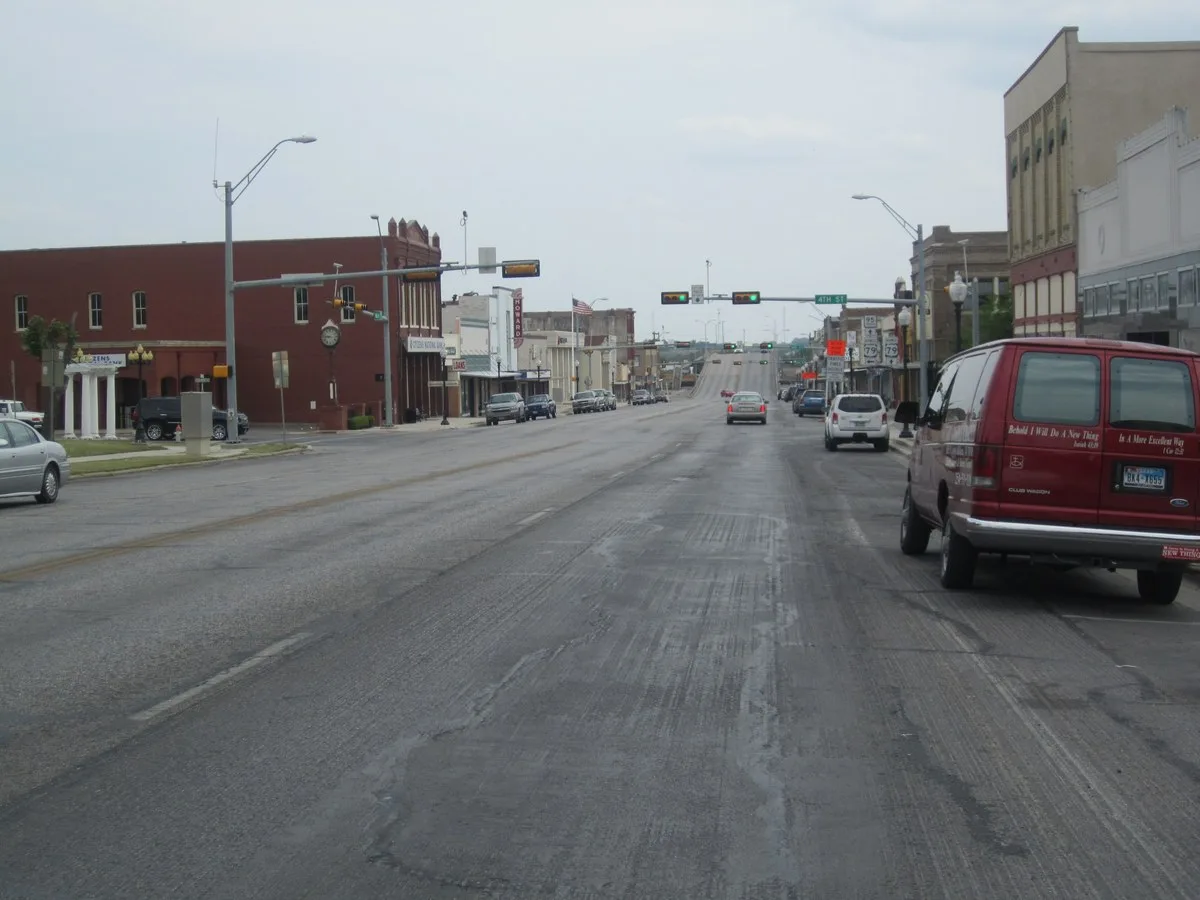
Downtown Taylor along Texas Highway 95, 2011. Photo: Billy Hathorn / Wikimedia Commons, CC BY-SA 3.0.
Other parts of the update matter to homeowners too. Short-term rentals would need a city permit renewed every three years. Overnight stays would be capped at two people per bedroom plus two. A permit could be revoked after three or more law enforcement citations within 24 months.
A town has every right to set the terms before the bulldozers arrive. Residents who want a say can speak at Thursday's public hearing. The agenda and full packet are on the city's meeting portal.
Related on Dock Line: Denton Makes It Harder to Build a Data Center; Edinburg Rewrites Its Development Rules and Puts a Fence Around Data Centers