Trump Administration Asks Supreme Court to Stay Venezuelan TPS Order
The administration asked the justices to stay a ruling that would restore Temporary Protected Status for Venezuelans. The Supreme Court had not ruled as of Thursday morning.
The facts come first below. My opinion follows in the section marked as opinion.
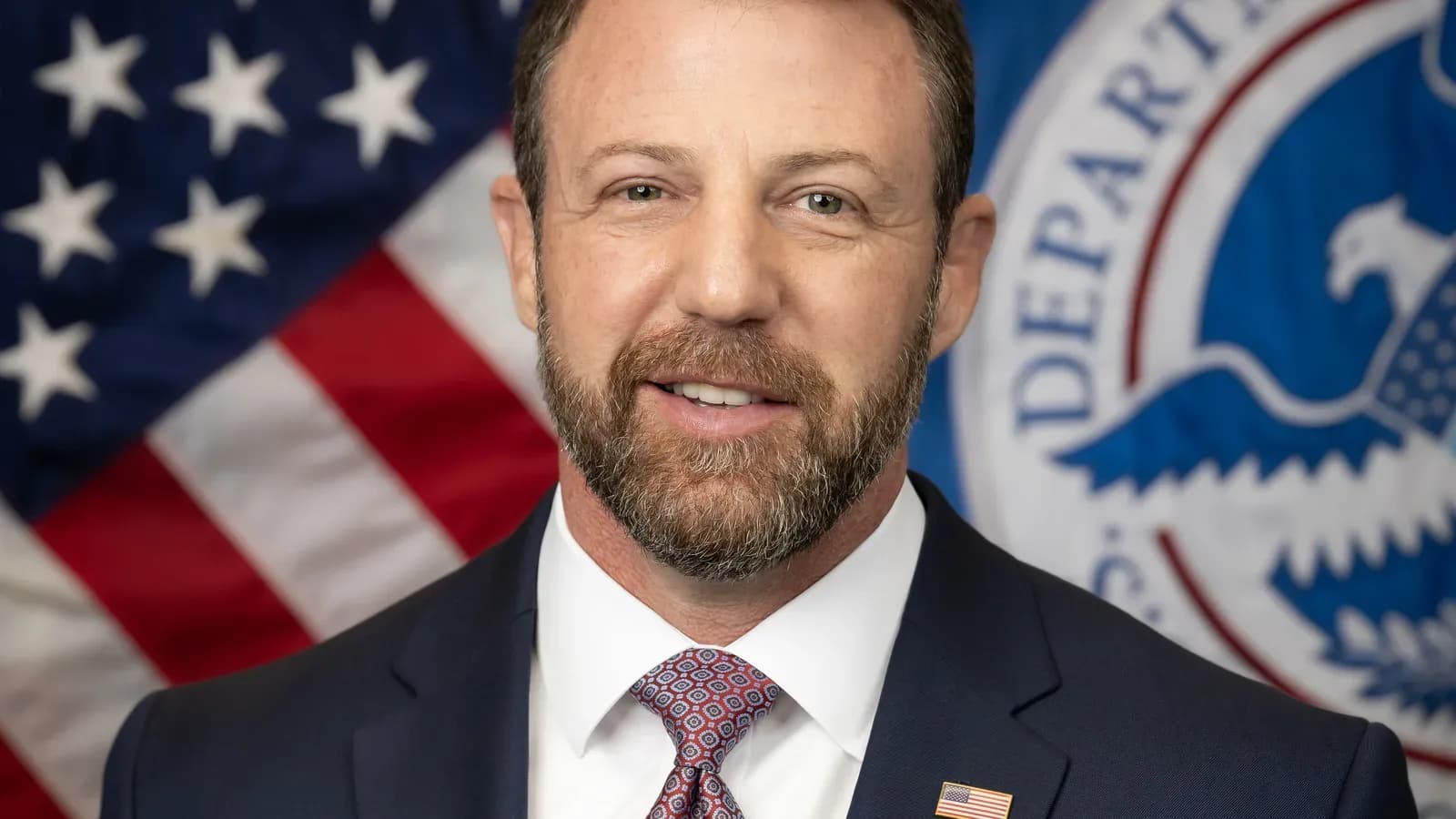
The Trump administration asked the Supreme Court on Wednesday to stay a federal court judgment that would restore Temporary Protected Status for Venezuelan nationals, according to an emergency application filed by Solicitor General D. John Sauer and a report by SCOTUSblog. The application was brought in the name of Homeland Security Secretary Markwayne Mullin. Sauer also asked the justices for an administrative stay while they consider the request.
Temporary Protected Status allows foreign nationals from designated countries to remain in the United States and work here when they cannot safely return home, SCOTUSblog reported. In the application, Sauer wrote that as of Friday, Nov. 20, a September 2025 summary-judgment order by U.S. District Judge Edward Chen of San Francisco "will spring into effect, inflicting severe and immediate harm." That order, he said, set aside the secretary of homeland security's termination of Venezuela's 2023 TPS designation.
"Absent judicial intervention between now and November 20, the Department of Homeland Security will have to resurrect TPS status for hundreds of thousands of Venezuelans after a nineteen-month hiatus," Sauer wrote in the filing. He also wrote that his office "has been informed that the government could be forced to immediately release into the country some 1800 or so Venezuelan aliens from detention." Those figures are the government's claims in the application; the filing does not present them as independently audited counts. Sauer further wrote that during the hiatus, with TPS no longer in effect, the department terminated work authorizations, placed people in removal proceedings, secured removal orders, and detained thousands pending those proceedings.
According to SCOTUSblog, then-Secretary Alejandro Mayorkas designated Venezuela for TPS in 2021 and again in 2023, and later announced an extension through October 2026, citing a severe humanitarian emergency tied to Venezuela's political and economic crisis. After his successor, Kristi Noem, announced decisions to end Venezuela's designation and the later extension, a group representing TPS holders sued in San Francisco. Judge Chen set the decisions aside, and the U.S. Court of Appeals for the 9th Circuit upheld that ruling, the site reported. In 2025, while the case proceeded, the Supreme Court paused Chen's order as to Venezuela, SCOTUSblog said, effectively allowing the administration to deport Venezuelan TPS beneficiaries while the litigation continued.
In June 2026, in Mullin v. Doe, the Supreme Court held, in cases involving Haitian and Syrian TPS beneficiaries, that courts generally cannot review the secretary's decision to designate or terminate a country under the program, SCOTUSblog reported. The application cites that decision as Mullin v. Doe, 609 U.S. 324 (2026), and says the court, on Oct. 5, granted review, vacated the 9th Circuit's judgment, and remanded for further proceedings in light of Doe. Sauer wrote that the government then asked the 9th Circuit to keep the existing stay in place, that the appeals court first denied a stay on Oct. 30, and that on Nov. 3 it granted an administrative stay until Nov. 20. He said the 9th Circuit has not acted on a later request to decide the merits or extend that stay, and that the administrative stay "is set to expire" on Nov. 20.
As of Thursday morning, Nov. 19, when this account was last checked, the Supreme Court had not ruled on the application. The court's public docket in No. 26A714 listed only the Wednesday filing, which was submitted to Justice Kagan. SCOTUSblog, in a report posted Wednesday evening, described the new filing but did not report a decision, and its case page still listed the request as pending.
The fight over temporary protected status is one part of a wider clash over who controls immigration procedure, a theme also raised in Dock Line's earlier report that the Justice Department Finalizes Rule Shortening Immigration Appeals.
Opinion:
The Supreme Court already said, in Mullin v. Doe, that the law generally keeps judges from second-guessing the secretary's choice to designate or end a country's protected status. If that holding means anything, a district court's order that puts Venezuelan TPS back in place after the secretary ended it should not spring back to life the moment a temporary stay runs out. The 9th Circuit had the Doe decision in front of it. Waiting until the eve of Nov. 20 is no way to treat a question the justices have already answered.
None of that requires anyone to be callous. Venezuela's suffering is real, and people who came here under a government program should be dealt with under clear rules, not by surprise. But Temporary Protected Status is supposed to be temporary. A program that can be restarted by a single judge after the Executive has ended it, and after the Supreme Court has already limited that kind of review, is not mercy. It is a substitute for the statute Congress wrote. The justices should say so, and they should not wait until the stay has already expired.