Trump Says Deportations 'Might Be Too Tough.' An Interview Is Not a Policy Rewrite.
Trump told 60 Minutes his deportation crackdown hurt Republicans politically. DHS told the BBC enforcement is not slowing down.
The facts come first below. My opinion follows in the section marked as opinion.
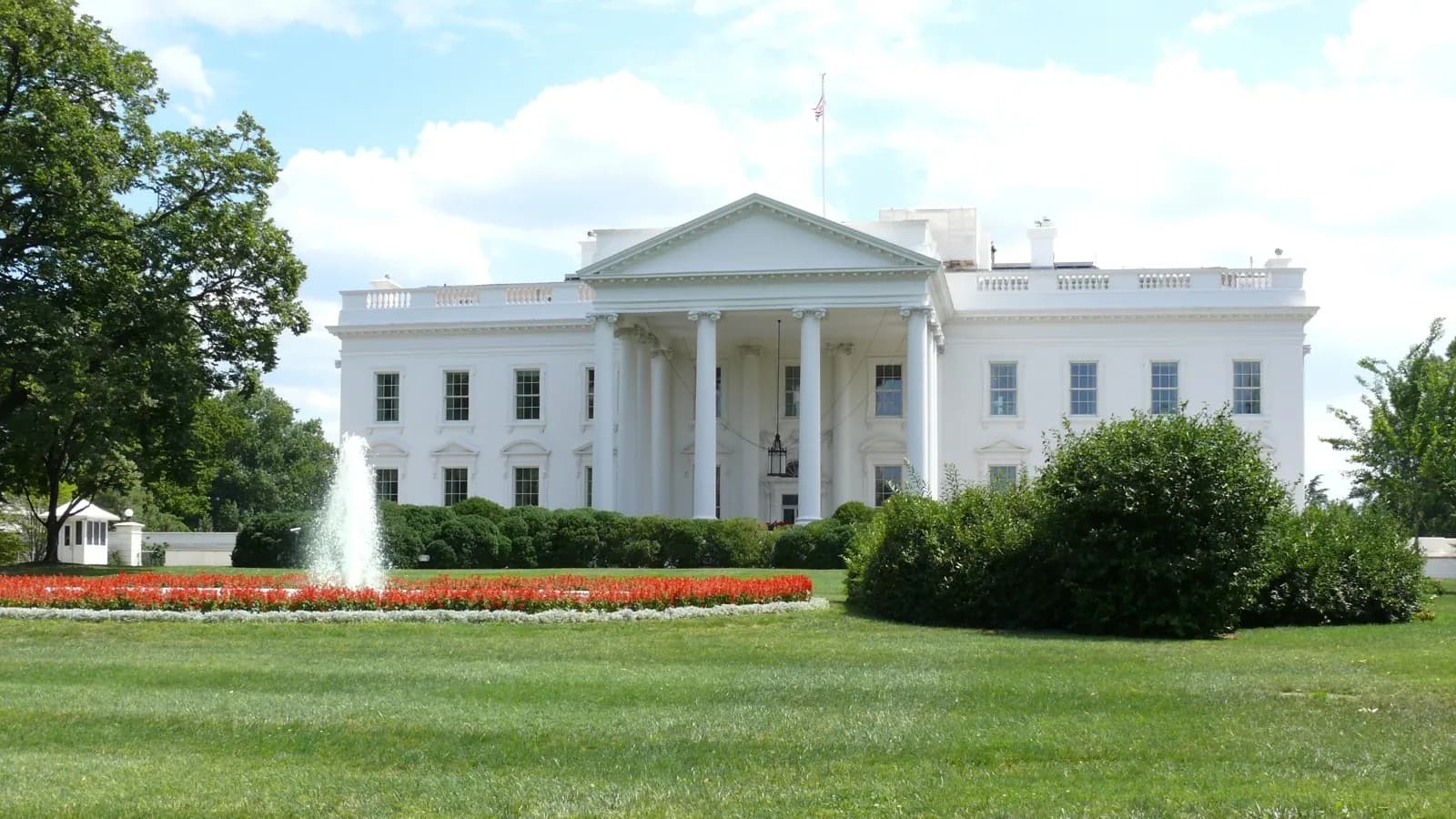
President Donald Trump said his deportation policy may have been too tough, telling CBS's 60 Minutes that aggressive removals helped close the border but also hurt Republicans politically in last week's midterms. The interview aired Sunday night and was recorded Friday at the White House.
NBC News and the BBC both reported the remarks from the same interview. Neither outlet treats the president's words as an announced pause in enforcement, and the BBC separately reported that Homeland Security denied any slowdown.
What Trump said about the crackdown
Trump said immigration enforcement both helped and hurt his party. According to the BBC, he said, "I think I got an A plus for closing up the border," while also saying sweeping removals of people with jobs and no additional criminal record had damaged him politically.
NBC quoted him saying, "I get hurt because we also took people that had good jobs, that created one violation, or breaking of the law, and that was that they came into the country illegally." Asked whether the policy went too far, the BBC reported that he said, "I think it was too tough."
He also said he would like to work with Democrats on immigration and answered yes when asked whether a deal could create some form of legal status for undocumented workers. NBC and the BBC both describe that as an openness to negotiation, not a finished legislative proposal or a signed agreement.
The administration's enforcement line has not been withdrawn
The BBC reported that a Department of Homeland Security spokesperson told the outlet, "ICE is NOT backing away or slowing down." That statement stands beside the president's interview comments. A desire to discuss a future deal is not the same thing as an order ending current removals.
NBC noted that Trump promoted Stephen Miller to White House chief of staff on Friday. Dock Line already covered that personnel change separately in Trump Names Stephen Miller Chief of Staff, Replacing Susie Wiles. Loyalty Still Needs the Truth. The interview story here is the president's public assessment of deportation politics, not another staffing announcement.
Neither report presents Trump's midterm analysis as a completed policy rewrite. Voters, Congress and the agencies still have to act. Until they do, readers should treat Sunday's interview as political self-assessment, not as a guarantee of who will be allowed to stay.
Opinion: Lawful borders still require honest judgment
Conservatives should not apologize for enforcing immigration law. A nation that cannot control its border is not practicing mercy; it is practicing neglect. Getting violent offenders and recent illegal entrants out of the country remains a legitimate duty of government.
But lawful authority does not make every tactic wise. Removing people who have lived here for years with steady work and no additional crimes raises hard questions of proportion, public trust and political reality. Pretending those questions are imaginary is not strength. It is refusal to think.
Christians should hold two truths at once. Scripture honors lawful order and condemns lawlessness. It also forbids treating every foreigner as an enemy and every enforcement action as automatically righteous. Compassion without borders collapses into chaos. Borders without discernment harden into cruelty.
If the president wants a deal, he should say what it includes and what it refuses. If Democrats want cooperation, they should say the same. Talk of toughness or mercy means little until the text of a bill is clear. Enforce the law. Tell the truth about its effects. Do not ask the country to confuse an interview with a finished policy.