Trump Says Taiwan Will Buy 30% of Alaska's Gas. Taiwan Says Talks Are Still Going.
Trump told an Alaska rally that Taiwan agreed to buy 30% of the Alaska LNG project's gas for 20 years. Taiwan confirmed its plans but said final terms are still being negotiated.
President Trump told a rally crowd in Wasilla, Alaska, on Tuesday night that Taiwan had just signed up for a major energy deal. Within hours, Taiwan's government confirmed that it plans to buy a large share of Alaska's natural gas. What it did not confirm was much of the rest.
What Trump said
"Taiwan has just agreed to buy 30% of the gas coming off the pipeline for the next 20 years," Trump said at the rally, CNBC reported. "That guarantees a success."
Trump was in Alaska campaigning for Sen. Dan Sullivan, who faces Democrat Mary Peltola in a tight race ahead of the Nov. 3 elections, according to Reuters.
What Taiwan said
Taiwan's Ministry of Economic Affairs said Oct. 14, Taipei time, that state-owned CPC Corp. would buy 6 million metric tons of liquefied natural gas a year from Alaska LNG once production begins, in line with a letter of intent signed in 2025, and could invest up to $4.4 billion in the project, according to the Associated Press and Reuters. If the project stays on schedule, supplies could reach Taiwan as early as 2032, the ministry said.
But the ministry did not say whether a binding sale-and-purchase agreement had been signed, Reuters and the Taipei Times reported. "Specific investment arrangements, equity stakes and related terms will be determined through subsequent negotiations and commercial contract procedures," the ministry said. CNBC reported the terms of the deal Trump described "were not immediately clear."
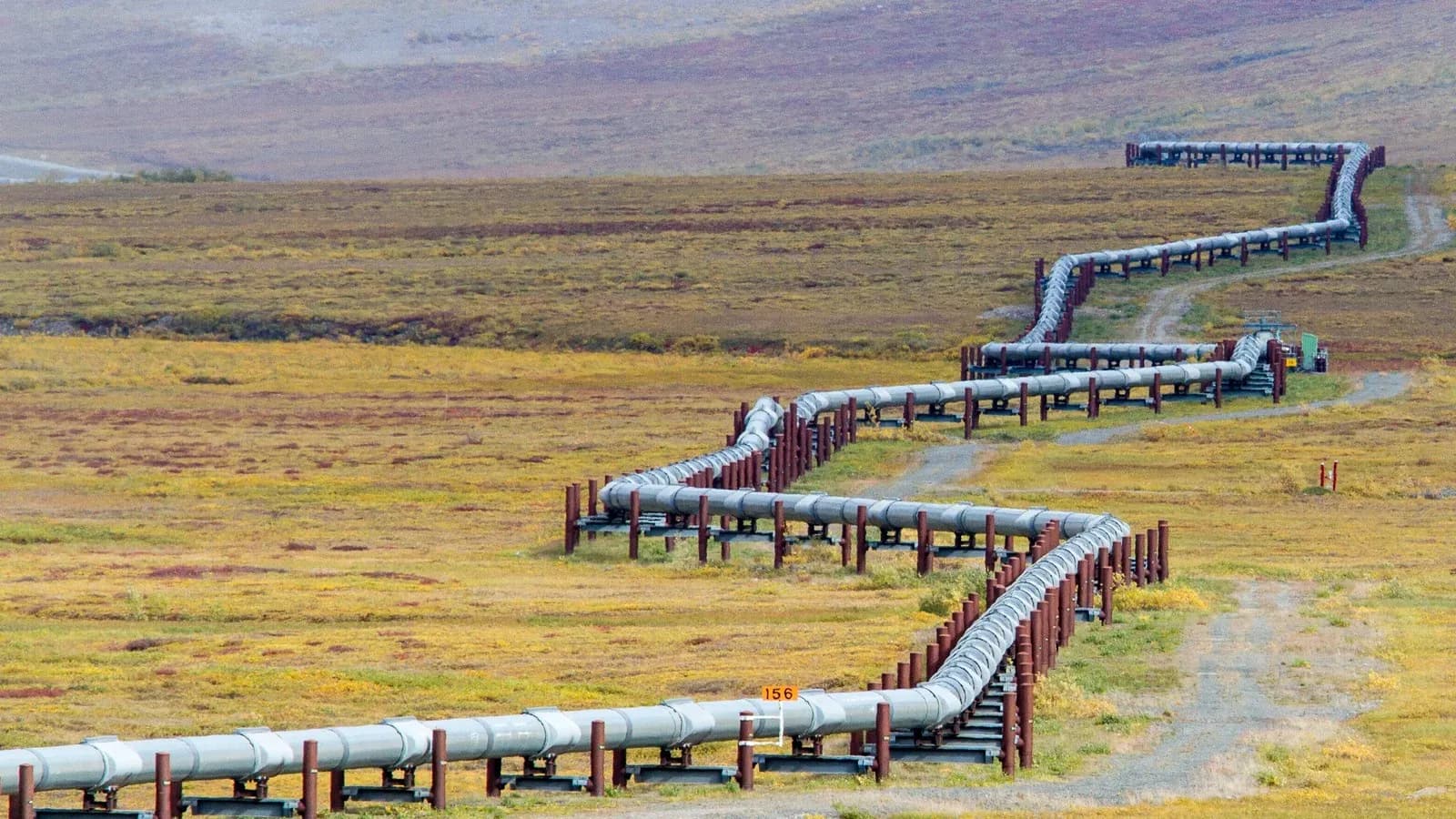
The project still has work to do. Alaska LNG has lined up agreements covering 13 million tons a year from buyers in Asia and French company TotalEnergies, Reuters reported. It needs agreements for another 3 million tons, and it must turn them into binding deals to secure financing. Its developers aim for a final investment decision on the pipeline this year and first LNG exports in 2031, Reuters reported. Analysts have said the project would cost more than double a comparable Gulf Coast plant, and many in the industry doubt its commercial viability, according to Reuters.
There is a pattern worth noting. Trump has repeatedly said South Korea agreed to invest in the roughly $50 billion project, while Seoul has said its participation was not finalized, according to CNBC.
Why it matters
The underlying idea is a good one. Taiwan imports more than 90% of its energy, CNBC noted, and its demand is climbing with the artificial intelligence boom. Selling it American gas ties a key democratic partner more closely to the United States, and puts Alaskan resources to work. Taiwan said in February it would raise U.S. gas to about a third of its imported supply this year, Reuters reported. Americans paying more at the pump this fall, as Dock Line reported in our inflation coverage, have reason to want more American energy flowing.
A binding purchase deal of this size would be a genuine accomplishment. A letter of intent plus ongoing negotiations is progress. Those are not the same thing, and voters can tell the difference.
Promise only what is signed
"Whoso boasteth himself of a false gift is like clouds and wind without rain," says Proverbs 25:14. The image is of a farmer looking up at clouds that promise rain and deliver none. Big announcements that run ahead of the paperwork work the same way. They raise hopes, and when the contract terms come in smaller or later, they cost trust.
No one should root against this project. If Taiwan signs a binding 20-year contract on the terms Trump described, he deserves full credit, and Alaska will benefit for a generation. Until then, the honest description is the one Taiwan's own government gave: progress, not a done deal.
Conservatives have long criticized politicians who announce victories before the work is finished. The standard should be the same no matter who is at the microphone. Under-promise, over-deliver, and let the signed contract do the bragging.
Hero photo: Arthur T. LaBar via Wikimedia Commons, CC BY 2.0, cropped and resized.