Inflation Jumps to 3.7% as Gas Soars. Families Deserve Straight Talk, Not Spin.
The consumer price index rose 3.7% from a year ago in September, up from 3.4% in August, as gasoline jumped 9.1% in a month. Here is what it means for families and interest rates.
Prices went up again last month, and faster than the people paid to forecast them expected. The consumer price index rose 3.7% in September compared with a year earlier, up from 3.4% in August, the Bureau of Labor Statistics reported Wednesday. Economists surveyed by Dow Jones had expected 3.6%.
On a monthly basis, costs jumped 0.6% from August to September, matching forecasts and the biggest gain in five months, according to the Associated Press. This was the last inflation report before the Nov. 3 midterm elections, and it will not make anyone running on affordability very comfortable.
Gasoline did most of the damage
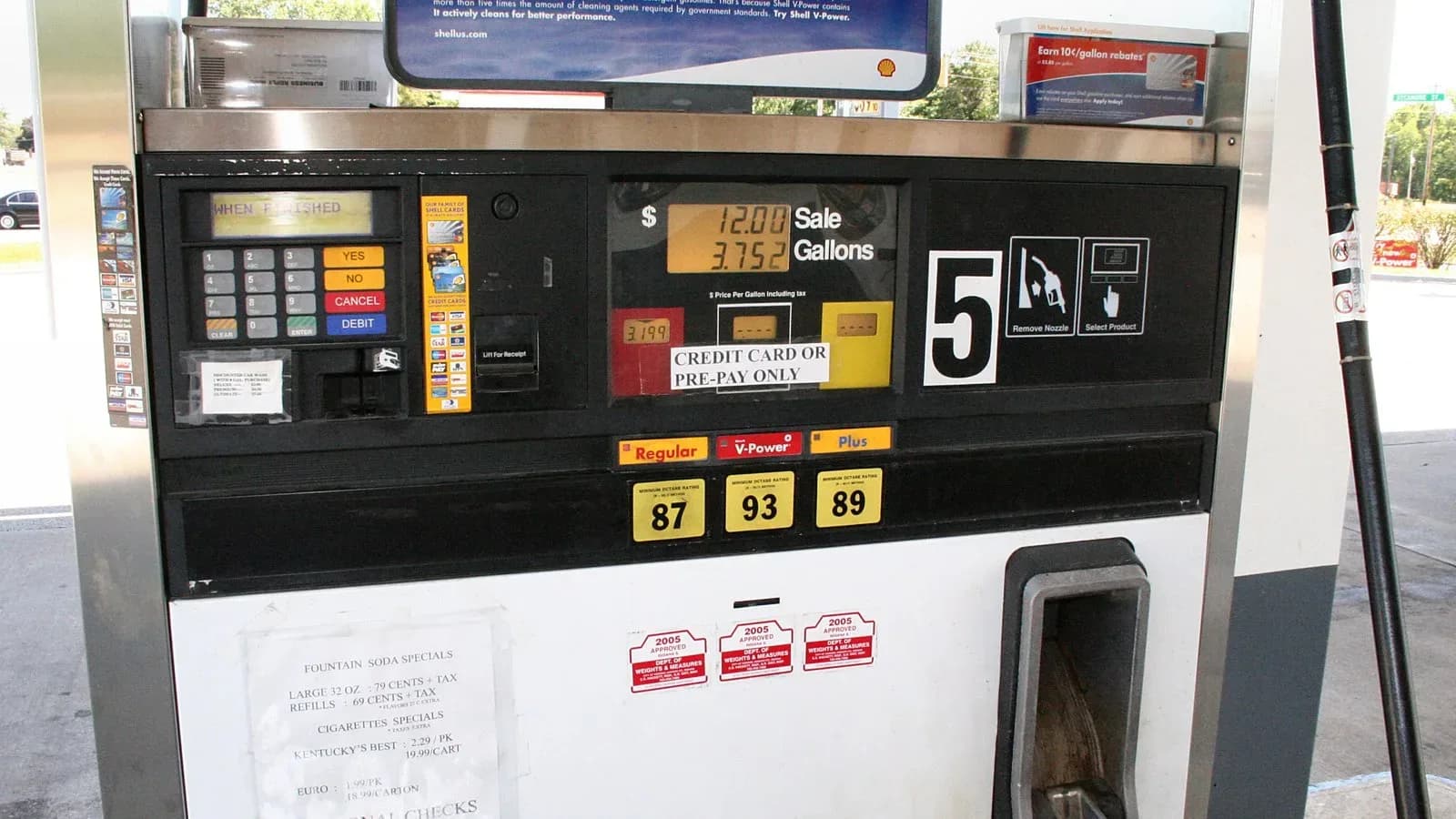
The story of September is fuel. Gasoline prices rose 9.1% in a single month and accounted for about half of the overall increase, according to the BLS figures reported by CNBC. Over the past year, gasoline is up 34.2% and fuel oil, which many families use to heat their homes, is up 74.2%.
The BBC reported that energy prices overall are up 20.4% from a year ago. Crude oil was trading at just over $70 a barrel before the U.S.-Israel war with Iran began and is now above $100, the BBC noted. Dock Line has written about how fragile the fuel picture is, including the energy ceasefire and diesel deal that still has Russia in the middle of it.
Not everything is climbing. Food prices were flat for the month and are up 2.5% over the year. That is a mercy for anyone feeding a family. But shelter rose 0.4% in September, used cars and trucks rose 0.7%, and apparel is up 3.4% from a year ago, according to CNBC. The energy index as a whole rose 5.2% for the month.
It is not only the pump
Strip out food and energy and you get what economists call core inflation. It rose 0.3% for the month and 2.6% for the year, both a little hotter than the 0.2% and 2.5% economists expected. "CPI came in hot and it wasn't just fuel prices," Sonu Varghese, chief macro strategist at Carson Group, told CNBC.
Tariffs play a part too. The BBC pointed to research from the Federal Reserve Bank of New York finding that U.S. businesses absorbed nearly 90% of the cost of new tariffs, since foreign exporters cut their prices very little. That cost does not vanish. Sooner or later it shows up on a shelf tag.
What it means for your wallet and your rates
The Federal Reserve raised its benchmark rate in September for the first time in more than three years, to a range of 3.75% to 4%. After Wednesday's report, futures traders put the odds of another hike at the Fed's Oct. 27-28 meeting at about 54%, according to the CME Group's FedWatch tool as reported by CNBC. Higher rates mean costlier mortgages, car loans and credit card balances. The Fed's independence is also under pressure, as the White House moves toward a hearing on firing Governor Lisa Cook.
Wall Street did not like the news. The S&P 500 fell 1.1% and the Nasdaq dropped 1.6%, the AP reported.
Retirees got related news the same day: the Social Security Administration announced a 3.6% cost-of-living increase for 2027. Dock Line explains what the raise means and what it does not fix.
Tell the truth about prices
Here is where conservatives ought to lead. It would be easy, three weeks before an election, to explain this number away. The war is temporary. The tariffs are a negotiating tool. Core inflation is only 2.6%. Some of that may even be true. But families do not buy core inflation. They buy gasoline, heating oil, rent and school clothes, and those bills are real.
Scripture puts a premium on honest measures. "A false balance is abomination to the LORD: but a just weight is his delight," says Proverbs 11:1. That applies to merchants, and it applies to politicians describing the economy. Voters can handle bad news. What they resent is being told the bad news is good news.
It also applies at home. Proverbs 21:20 says there is "treasure to be desired and oil in the dwelling of the wise." Seasons like this reward families who keep a cushion, pay down variable-rate debt and plan for higher winter heating bills now rather than in January.
Inflation has run above the Fed's 2% target since March 2021, CNBC noted. That is more than five years. Whoever wins in November, both parties owe Americans a plain answer on how they intend to bring it down, and the honesty to admit it will not happen overnight.
Hero photo: Tysto via Wikimedia Commons, public domain.