Trump Declared an Energy Ceasefire. Russia Kept Bombing. The Diesel Deal Still Stands.
Days after President Trump announced an energy ceasefire, Russian strikes left at least 600,000 Ukrainians without power, while sanctions relief on Russian diesel remains in place.
On Sunday, President Trump announced peace for Ukraine's power grid in capital letters. "Effective immediately, there is an ENERGY CEASEFIRE in the War between Russia and Ukraine. Both parties have agreed. Do not break it!" he wrote, the BBC reported.
By Wednesday morning, Ukraine said Russian missiles had hit its energy system three nights running.
What happened overnight
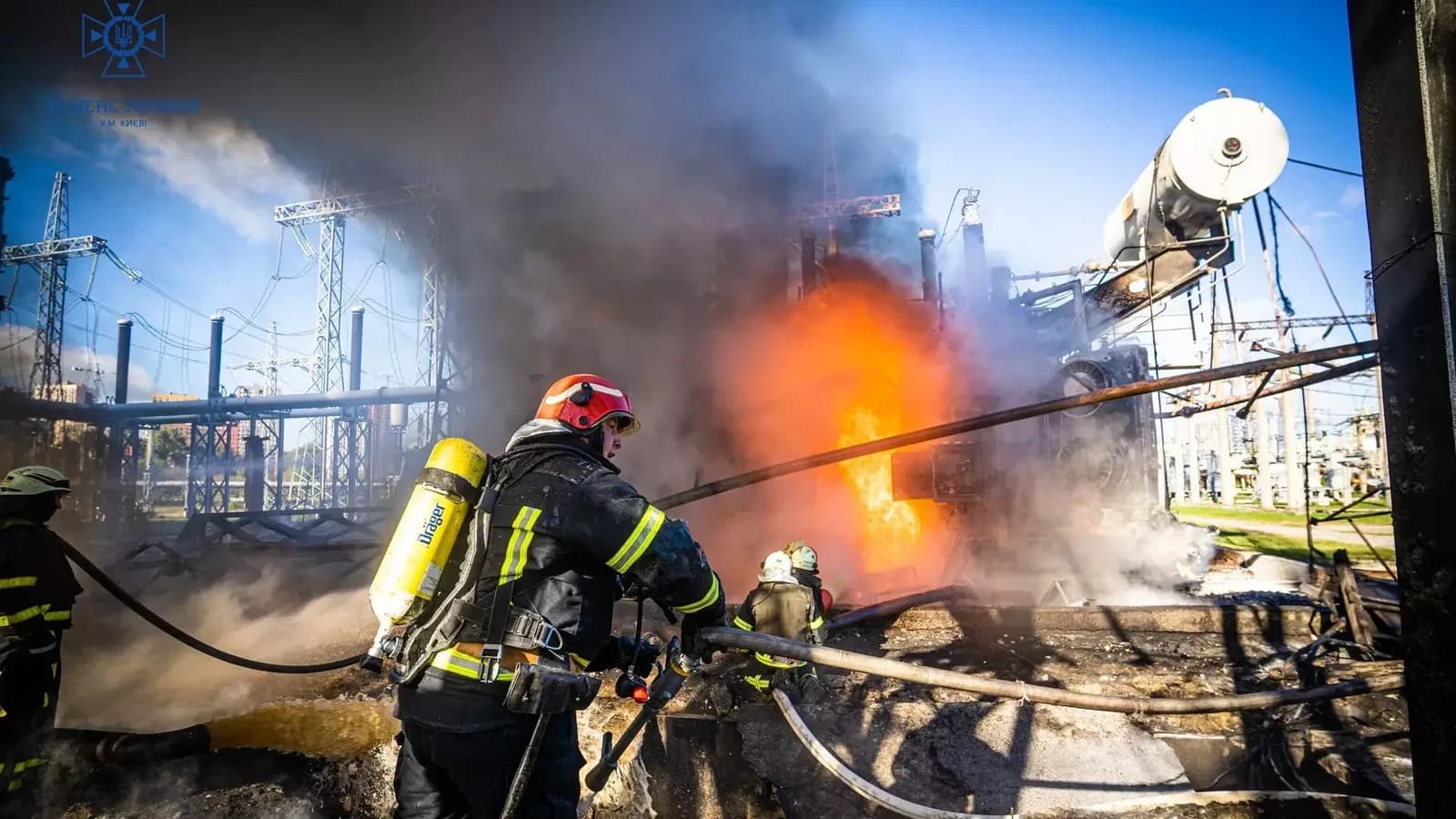
Russia launched 39 ballistic and cruise missiles and 128 drones at Ukraine overnight into Wednesday, according to Ukraine's air force. Only four of the missiles were shot down, along with 115 drones, the BBC reported. President Volodymyr Zelensky said at least 600,000 people were left without electricity after strikes on "critical" energy sites in Kyiv, the capital region and Kharkiv.
At least six people were killed across the country, including three in Kyiv, Al Jazeera reported. Russia's own Defense Ministry called the strike "massive" and said it hit two plants supplying power and heat to Kyiv, two more in the surrounding region, and a power plant in Kharkiv.
Moscow's forces pounded Ukraine's grid and its oil and gas facilities "for the third straight night," Zelensky said, according to the Associated Press. The AP reported that Ukraine, for its part, has agreed to halt its monthslong campaign against Russian oil refineries. Its last reported refinery hit was last Friday.
Russia's foreign minister made Moscow's view plain. Sergey Lavrov said Ukraine does not deserve the "respite" a ceasefire would bring, and warned that under any truce Europe would "pump [Ukraine] with new weapons," the BBC reported.
The diesel deal
The broken ceasefire lands on top of a deal that already had Republicans and Democrats alike upset. On Oct. 9, Trump said Vladimir Putin had agreed to release more than 300,000 tons of Russian diesel immediately, 500,000 tons in November, 1 million tons "immediately thereafter," and 3 million more after that, CNBC reported.
The Treasury Department followed at once with a license allowing "the sale, delivery, offloading, or importation, including importation into the United States," of Russian-origin diesel through April 7, 2027, NBC News reported. Putin, for his part, offered no figures. He said only that Russia was ready "to supply oil and petroleum products to the US market and global markets at large," according to the BBC.
The move came three weeks after Trump signed the Lindsey O. Graham Sanctioning Russia and Iran Act of 2026, which lets him impose tariffs of up to 100% on the top buyers of Russian oil and gas, CNBC noted. And it came with less than a month left before midterms in which diesel prices are a top issue.
On Tuesday, six Republican and six Democratic senators wrote to the president asking him to rescind the deal. "This deal is a gift to our adversary and a betrayal of our allies; it should be rescinded," they wrote, NPR reported. The Republicans who signed were Alan Armstrong, Susan Collins, John Cornyn, Mitch McConnell, Lisa Murkowski and Thom Tillis. The senators said the deal would offer "limited to no relief to Americans" and "only provides Putin with more fuel to finance his war machine."
Trump defended it. "That's a diesel deal that's going to be released into the world for the world market, because the world market suffered with high prices," he said, according to NPR.
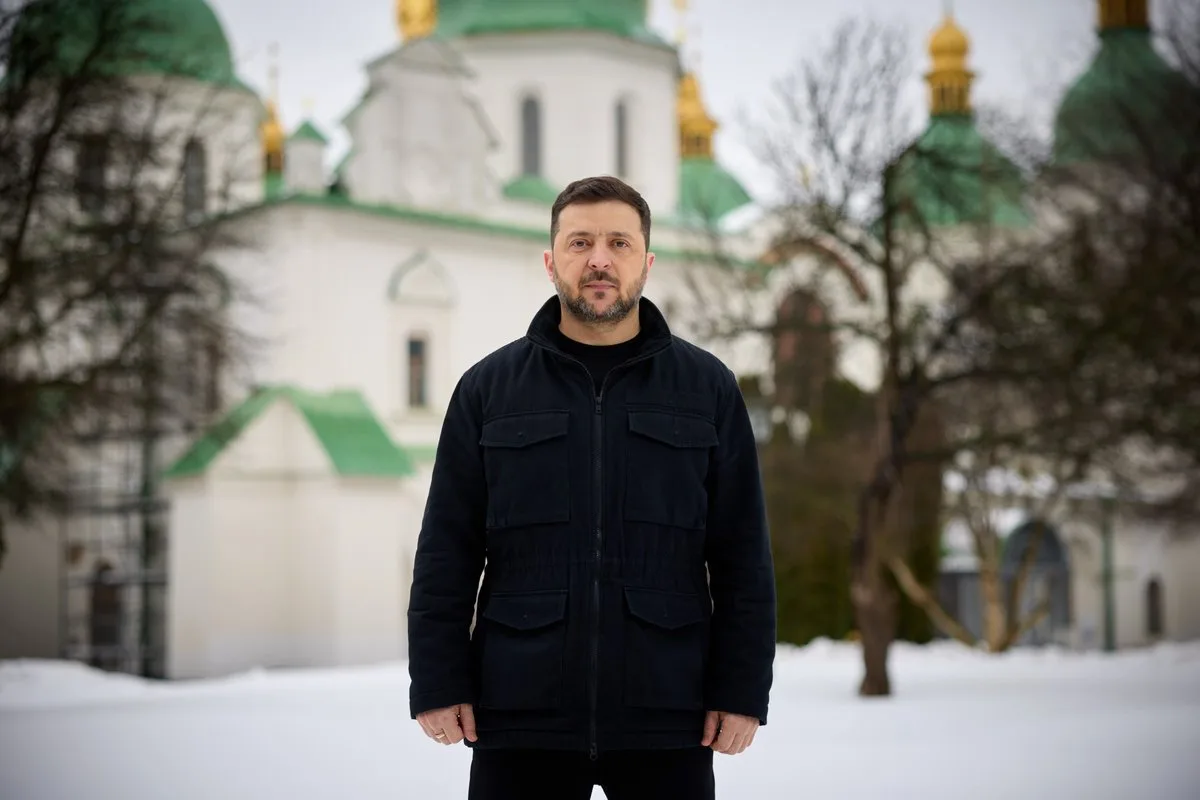
Ukrainian President Volodymyr Zelensky in February 2026, on the fourth anniversary of Russia's full-scale invasion. Photo: Office of the President of Ukraine / Wikimedia Commons, CC0 1.0.
Pressure on the wrong side
There is more. Zelensky has said the United States threatened to restrict intelligence sharing if he did not sign on to the energy ceasefire, the BBC reported. Trump on Tuesday denied that Washington was withholding intelligence. Zelensky also said Ukraine got no warning from its Western partners before ballistic missiles hit Kyiv, Al Jazeera reported. For the past two nights, ballistic missiles struck the capital before air-raid sirens could sound, the BBC reported.
Wanting the war to end is right. Christians are told to seek peace and pursue it, and no one who has seen a city go dark in October should want this to drag on. American families paying more for diesel are not wrong to want relief either. But a peace that only binds one side is not peace. Ukraine stopped hitting refineries. Russia kept hitting power plants. The leverage should be on the country doing the bombing, and right now it is not.
Easing sanctions on Russian diesel while Russian missiles are knocking out heat and light for hundreds of thousands of people as winter approaches sends the wrong message to Moscow. It tells Putin that breaking a ceasefire costs him nothing, and that the American president's word can be ignored without penalty. That is not strength, and it is not how deals are kept.
The president said, "Do not break it!" Russia broke it. The question now is whether there will be any consequence. Twelve senators from both parties have already given one answer: take back the diesel deal.
Photos: State Emergency Service of Ukraine via Wikimedia Commons, CC BY 4.0, cropped and resized; Office of the President of Ukraine via Wikimedia Commons, CC0.