Lisa Cook Calls Trump's Fed Panel Biased. A Fair Hearing Should Not Be Hard.
Federal Reserve Governor Lisa Cook's lawyer called the White House committee weighing her firing "demonstrably biased" and said she cannot attend the Nov. 5 hearing.
Federal Reserve Governor Lisa Cook's lawyer says the White House panel set up to decide whether President Trump can fire her is "demonstrably biased," and that she cannot attend the hearing it has scheduled for Nov. 5.
In a letter Tuesday to White House counsel Will Scharf, attorney Abbe Lowell wrote that "we have significant concerns regarding the objectivity and fitness of the committee for its assigned purpose," CNBC and the Associated Press reported. He did not rule out Cook appearing before the panel at a later date.
How we got here
Trump has accused Cook of mortgage fraud in 2021, before she joined the Fed's board. She denies it, and no criminal charges have been filed, the AP reported. Under the law governing the Fed, a president may remove a governor only "for cause." No president has ever fired a Fed governor.
Trump first tried to fire Cook in August 2025. The Supreme Court ruled earlier this year that she could stay in her job while the litigation continues, and suggested in a footnote that Trump could try again if he gave her adequate notice and a chance to respond, according to the AP. The court did not decide whether the mortgage allegation amounts to cause.
The White House answered with an Oct. 7 presidential memo creating a three-member "committee of inquiry" that will recommend whether cause exists, CNBC reported. Its members are National Economic Council Director Kevin Hassett, Labor Secretary Keith Sonderling and Equal Employment Opportunity Commission Chair Andrea Rich, all Trump appointees, according to the AP.
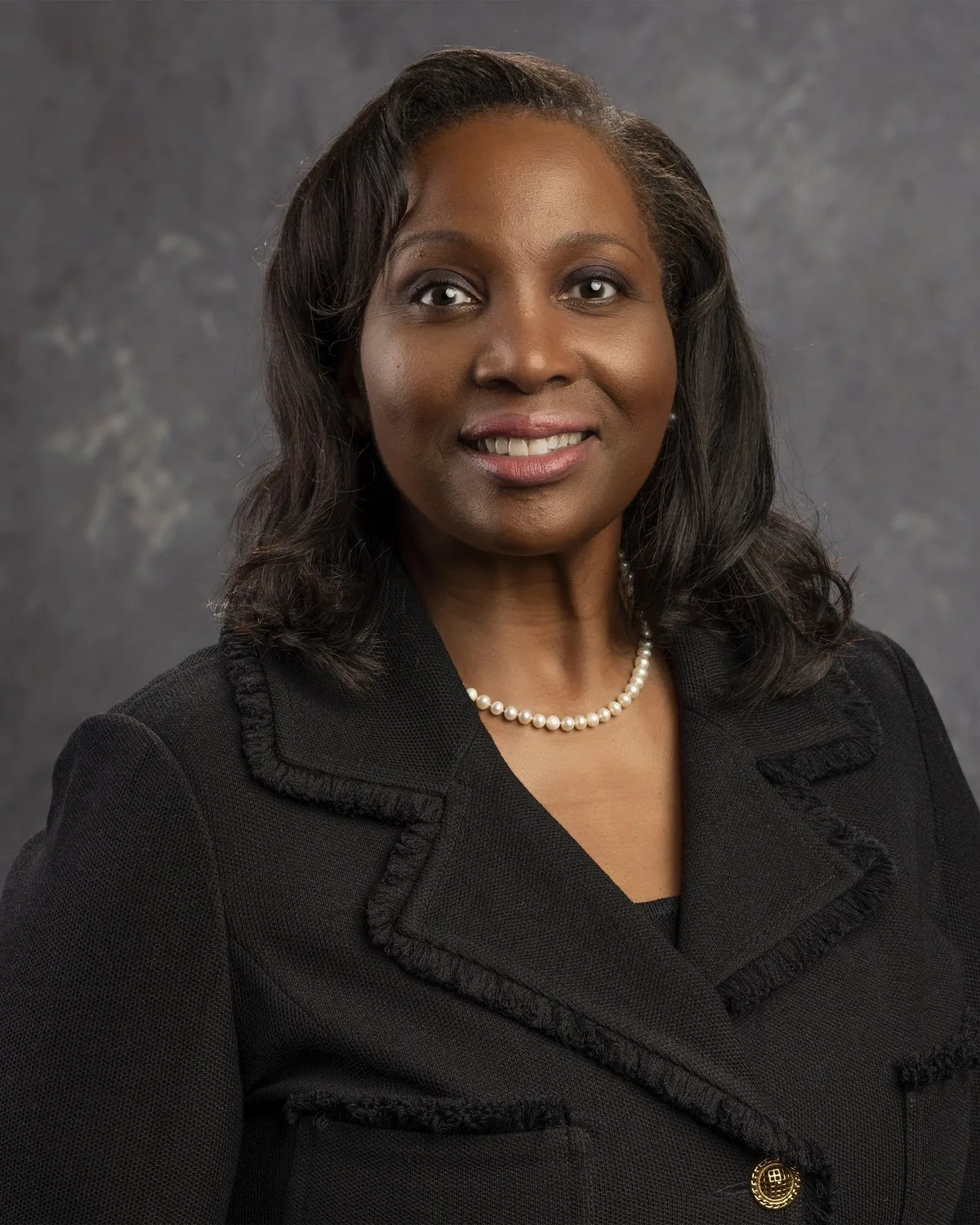
Federal Reserve Governor Lisa Cook. Photo: Federal Reserve / Wikimedia Commons, Public domain.
The objections
Lowell's main complaint is about Hassett, who he noted had already suggested in August 2025 that the president has cause to fire Cook. That, Lowell wrote, belies the White House's assurance that the hearing would be "substantive and fair."
He also objected to what he called "unspecified additional allegations" and an unclear schedule for sharing evidence. "A hearing with demonstrably biased members, unspecified additional allegations, and an unclear schedule for the disclosure of any additional evidence ... is not a process that respects the appearance or history of independence," he wrote.
On timing, Lowell said Cook will be at financial and monetary policy meetings in Europe on Nov. 5. The earliest she could appear is after the Fed's Dec. 8-9 policy meeting, The Wall Street Journal reported.
Fairness is not a partisan favor
Conservatives have good reasons to want honest people at the Fed. If a governor lied on a mortgage application, that is a serious matter, and the law allows removal for cause. Nobody should be above that standard because of who appointed her or because removing her would be politically awkward.
But a charge is not a conviction, and a process is only as good as its fairness. Moses told Israel's judges, "Ye shall not respect persons in judgment; but ye shall hear the small as well as the great," in Deuteronomy 1:17. That means hearing the accused before deciding, not deciding and then holding a hearing. If one of three judges has already announced his view, the White House should replace him. It would cost little and would make any result far more credible.
The stakes go beyond one governor. The Fed sets interest rates that touch every mortgage, car loan and paycheck in the country. With inflation at 3.7% in September, the Fed is weighing whether to raise rates again. Markets and families both need to trust that those decisions are made on the numbers, not on who is in the president's good graces. Trump has repeatedly demanded lower rates, the AP noted.
Dock Line made the same argument this week about an ally of the president, writing that integrity has to cut both ways. It does here too. Investigate the allegation. Give Cook a real hearing before judges who have not made up their minds. Then let the facts decide.
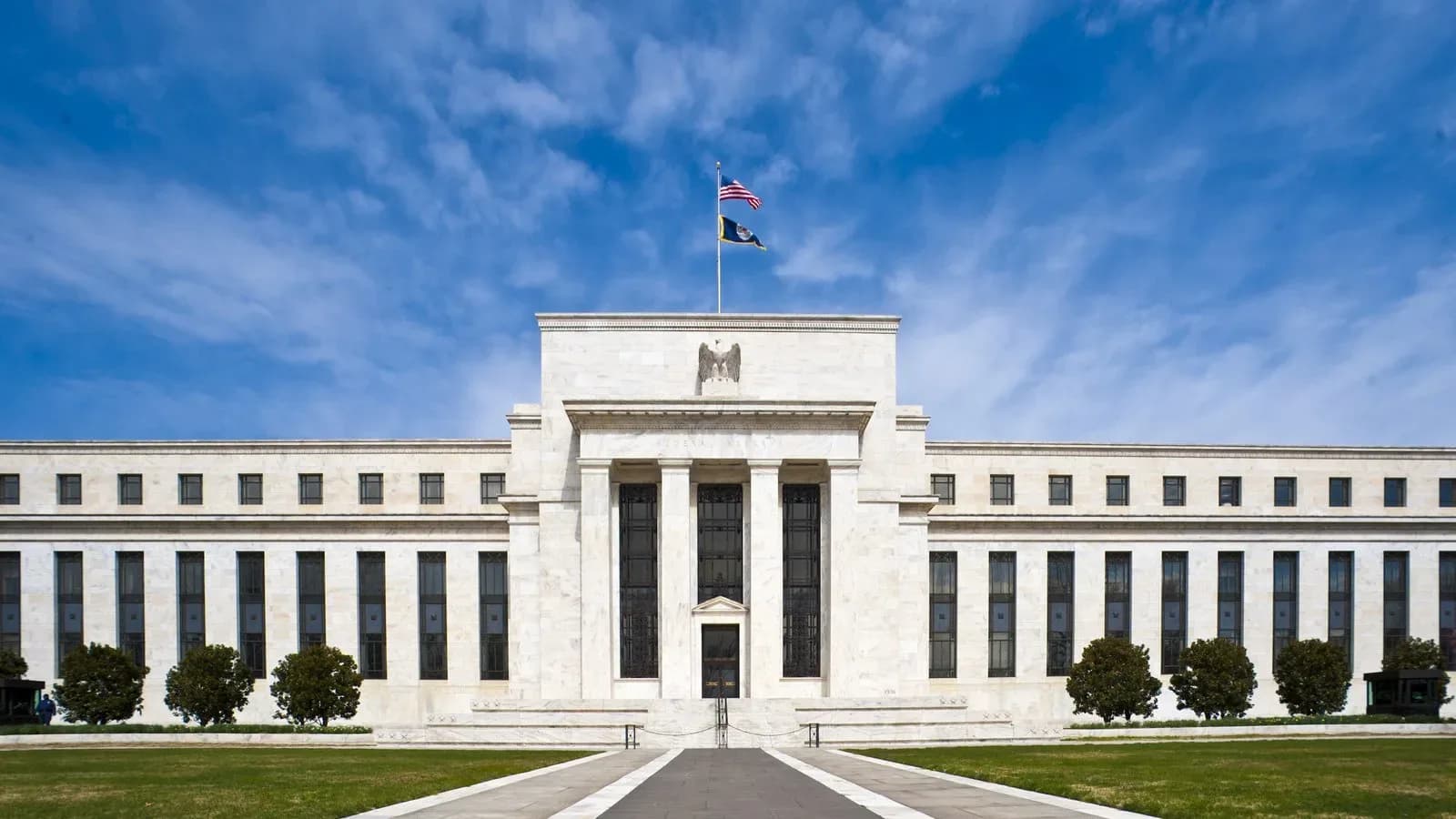
Photos: Federal Reserve via Wikimedia Commons, public domain.