

Voting Today? What Federal Guidance Says About ID, Provisional Ballots, Accessibility and Reporting Problems. Vote With Integrity
An Election Day guide drawn from official federal guidance: polling places, voter ID, the first-time voter rule, provisional ballots, accessibility rights and how to report intimidation or fraud.
The facts come first below. My opinion follows in the section marked as opinion.
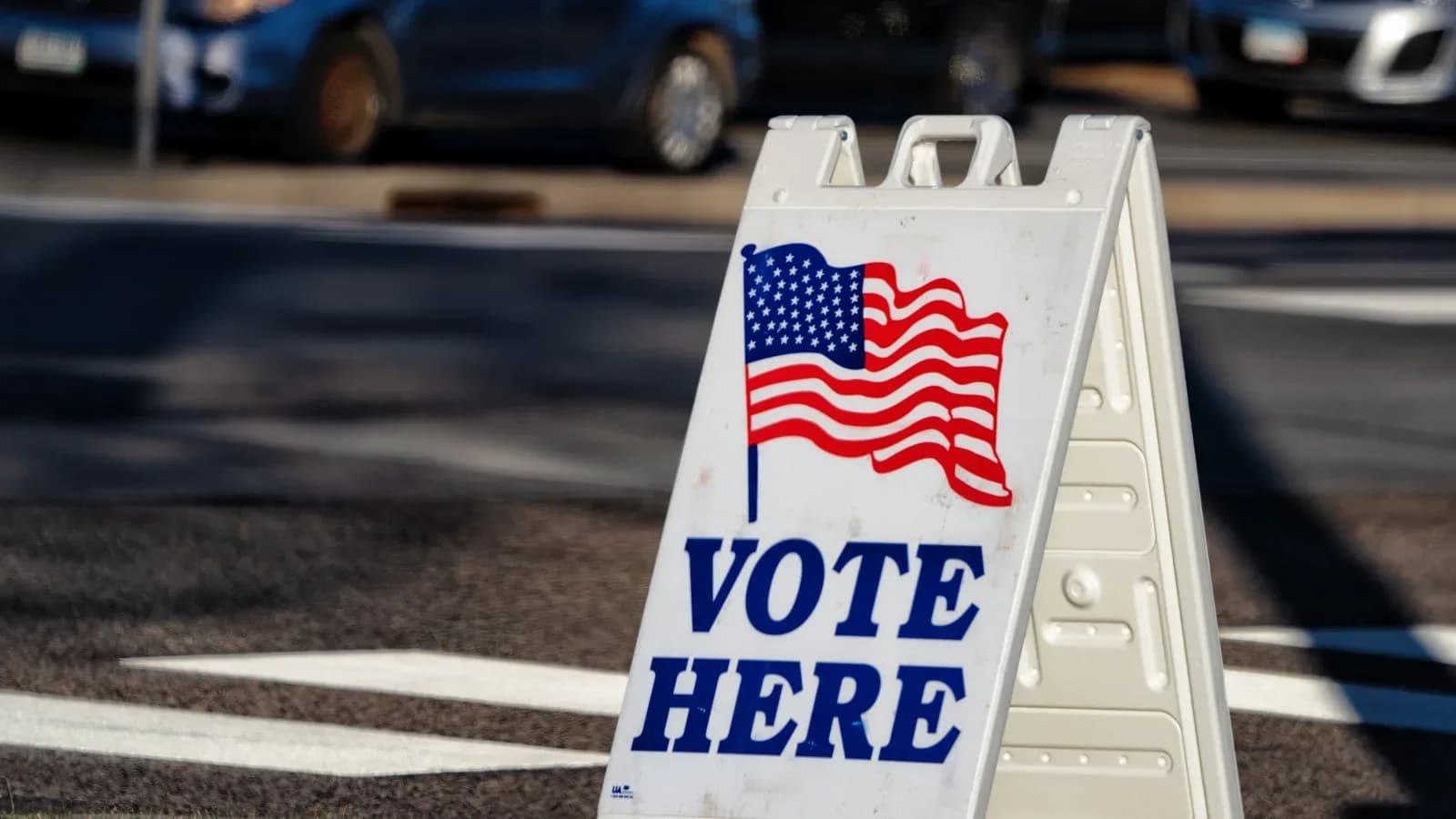
Today is Election Day, and millions of Americans will cast ballots in person for Congress, governors, state legislatures, local offices and ballot measures. Federal law sets some ground rules that apply in every state, while states and counties run the polling places themselves. Here is what official federal guidance says voters should know before they go.
Go to your assigned polling place
Your polling place is based on your residential address, and your name will not be on the roster at any other location. If you try to vote somewhere other than your assigned location, you may have to cast a provisional ballot, and your vote may not count. To find your polling place and its hours, contact your state or local election office, according to USAGov, the federal government's official information site.
There is no online option. In federal elections in the U.S., you cannot vote online, USAGov says.
Bring the ID your state requires
Each state sets its own voter ID rules, and most require voters to bring identification to vote in person. A state may require a photo ID such as a driver's license, state ID or passport. If you are registered and have a voter registration card, you are not required to bring it, but you can still use it as a form of identification, USAGov says.
Federal law has a special rule for some first-time voters. Those who did not register in person and did not show ID when they registered must show identification when they vote on Election Day. Acceptable forms include a current and valid photo ID, a current utility bill, a bank statement, a government check, a paycheck or a government-issued document that shows your name and address, according to USAGov.
What a provisional ballot means
States use provisional ballots when there is a question about a voter's eligibility, and they keep those ballots separate until they investigate. A voter without acceptable ID may have to return to show it within a few days, or the ballot will not count. A provisional ballot can also be required when the name or address on your ID does not match your voter registration, such as after a marriage or a move, USAGov says.
Help for voters with disabilities
Federal laws, including the Americans with Disabilities Act and the Help America Vote Act, protect voters with disabilities. Polling places must have wheelchair-accessible voting booths, entrances and doorways at least 32 inches wide, handrails on all stairs, and voting equipment for people who are blind or visually impaired. A voter with a disability may seek help from trained poll workers or bring someone to help. Some states offer curbside voting, and federal law also lets anyone who cannot read or write bring someone to the polls to help, according to USAGov.
Your ballot is private, and intimidation can be reported
You have the right to cast your vote in private. There is no law against asking someone who they are voting for, but you do not have to tell anyone. Voters who experience or witness a voting rights violation, including intimidation or suppression, can call the Justice Department's Civil Rights Division at 1-800-253-3931 or file a report online. Suspected voter fraud can be reported to a state or local election office, a local FBI office or a local U.S. attorney's office, USAGov says.
Texas readers can find state-specific details in Voting Tuesday in Texas: Photo ID, Poll Hours and Where to Vote.
Opinion: Vote, and do it with integrity
Voting is a privilege that generations of Americans fought to secure, and it is also a duty. The prophet Micah summed up what God asks of us: "He hath shewed thee, O man, what is good; and what doth the LORD require of thee, but to do justly, and to love mercy, and to walk humbly with thy God?" That is a good rule for Election Day, too.
To do justly means voting honestly, once, in your own name, at your own polling place. The rules above are not obstacles. Showing ID and casting a provisional ballot when there is a question are reasonable safeguards that protect every legitimate vote from being cancelled out by an illegitimate one. If your ID or address does not match, do not walk away angry. Ask for a provisional ballot and follow up.
To love mercy means treating poll workers and fellow voters with kindness. Poll workers are our neighbors, serving their communities. Be patient in line. Help an elderly or disabled neighbor get to the polls. Respect the privacy of the booth, and do not pressure anyone about how they vote.
To walk humbly means remembering that no candidate is our savior. Vote your convictions on life, family, liberty and honest government. Then accept that results take time, report real problems through the proper channels, and pray for whoever wins.
If you have not voted yet, go today. Bring your ID, know your polling place, and cast your ballot with a clear conscience.
More Politics & Government Stories
 Today
Comal ISD Asks Voters for $567 Million in Bonds. The Interest Would Cost More Than the Loan
 Today
Abortion Is on the Ballot in Four States Tuesday. Protect the Child, Care for the Mother and Tell Voters the Whole Truth
 Today