Voting Tuesday in Texas? Here Is What to Bring, When Polls Open and Where You Can Vote
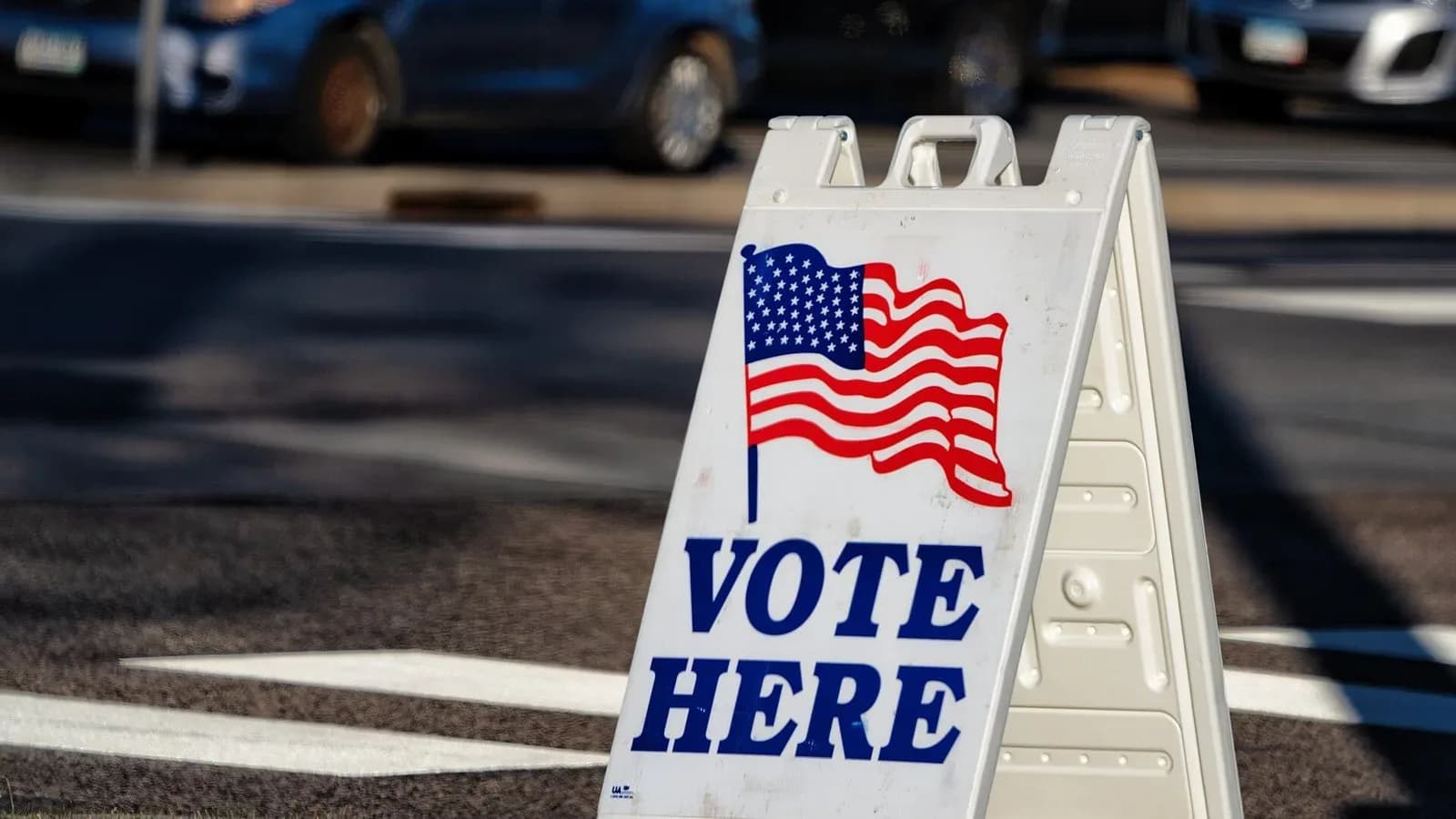
Polls open at 7 a.m. and close at 7 p.m. on Election Day. Bring one of seven photo IDs, check whether your county lets you vote anywhere or only at your precinct, and leave the phone in your pocket.
Early voting is over. If you have not voted yet, Tuesday, Nov. 3, is your day.
Texans will choose a governor, a U.S. senator and more than a dozen other statewide officials, along with members of Congress, state lawmakers, judges and local officials, according to The Texas Tribune's voter guide. There are no constitutional amendments on the ballot this year, but the down-ballot races still matter. Here is a plain checklist so nothing trips you up.
When polls are open
Polls are open from 7 a.m. to 7 p.m. local time on Election Day. Under Texas law, if you are in line by 7 p.m., you can still vote. Do not let a long line at 6:45 send you home.
Where to vote
This one catches people every election. During early voting, you could vote at any location in your county. On Election Day, that depends on where you live.
Voters in the 103 counties that take part in the state's Countywide Polling Place Program can vote at any polling place in their county on Election Day. Voters in the other 151 counties must vote at a polling place in their own precinct, the Tribune reported.
You can find your polling place through the Texas secretary of state's online portal, where you can also check your registration and see which races are on your ballot. Polling places can change, so check your county elections website before you go. Your precinct is printed on the voter registration certificate mailed to you.
What to bring
Texas voters must show one of seven forms of photo identification at the polls: a Texas driver's license, a Texas election identification certificate, a Texas personal identification card or a Texas handgun license, all issued by the Department of Public Safety; a U.S. military ID card with a photo; a U.S. citizenship certificate with a photo; or a U.S. passport.
An expired ID can still work. Except for the citizenship certificate, which does not expire, voters 18 to 69 may use an ID that expired no more than four years ago, and voters 70 and older may use an expired ID of any age if it is otherwise valid, according to the secretary of state's VoteTexas.gov.
If you do not have one of those, you can still vote. You sign a reasonable impediment declaration and show another document with your name and address, such as a utility bill, bank statement, paycheck, government document or your voter registration certificate. Reasonable impediments include lack of transportation, disability or illness, work schedule, family responsibilities, a lost or stolen ID, or an ID you applied for but have not received.
If you have a valid photo ID but forget it, you can cast a provisional ballot. To have it counted, you must visit your county voter registrar's office by Nov. 9 with an acceptable ID or documents, according to the Tribune's guide.
Rules inside the polling place
Phones, cameras, computers and other devices that can record sound or images cannot be used within 100 feet of voting stations. A newer law also bans wireless devices such as cellphones in the room where voting is happening.
Campaigning is banned inside that 100-foot line, and that includes wearing shirts, hats or buttons for candidates, parties or measures on the ballot. Leave the campaign gear in the truck.
You may bring written notes to help you mark your ballot, at the discretion of election officers. Firearms, including handguns, are not allowed at polling places under Texas law.
Texas no longer has straight-ticket voting, so you will mark each race on its own. Take a few minutes tonight to look over your sample ballot from your county.
If you vote by mail
Mail ballots that are postmarked by 7 p.m. local time on Election Day will be counted if the county receives them by 5 p.m. on Wednesday, Nov. 4. You can also hand-deliver your own mail ballot to your county elections office while polls are open on Election Day, but you will need to show a valid ID.
If your mail ballot has a problem, such as a missing ID number or signature, you have until Nov. 9 to correct the envelope. The state's online ballot tracker lets you check its status.
If you need help
Curbside voting must be available at every polling place for voters with a physical condition that keeps them from going inside. If you need someone to help you read or mark your ballot, here is who the law lets help you and who it does not.
If something goes wrong at the polls, ask an election officer. Many polling places have a resolution desk for registration problems.
A word before Tuesday
Voting is a duty and a privilege that many people in this world do not have. Pray for wisdom, read your ballot, and go. Then thank the poll workers. Most of them are your neighbors, and they will be there long before 7 a.m. and long after 7 p.m.