Willis Has a Data Center Smaller Than the New LongHorn Steakhouse
A state filing lists a $7.5 million Comcast network facility on Texas 75 in Willis. Its 5,200-square-foot footprint is 580 square feet smaller than the city's new LongHorn Steakhouse.
A state filing lists a $7.5 million Comcast network facility on Texas 75 in Willis. Its 5,200-square-foot footprint is 580 square feet smaller than the city's new LongHorn Steakhouse.
Say "data center" and most people picture a million square feet of servers, transmission lines and cooling equipment. That is not what the state filing for Willis describes.
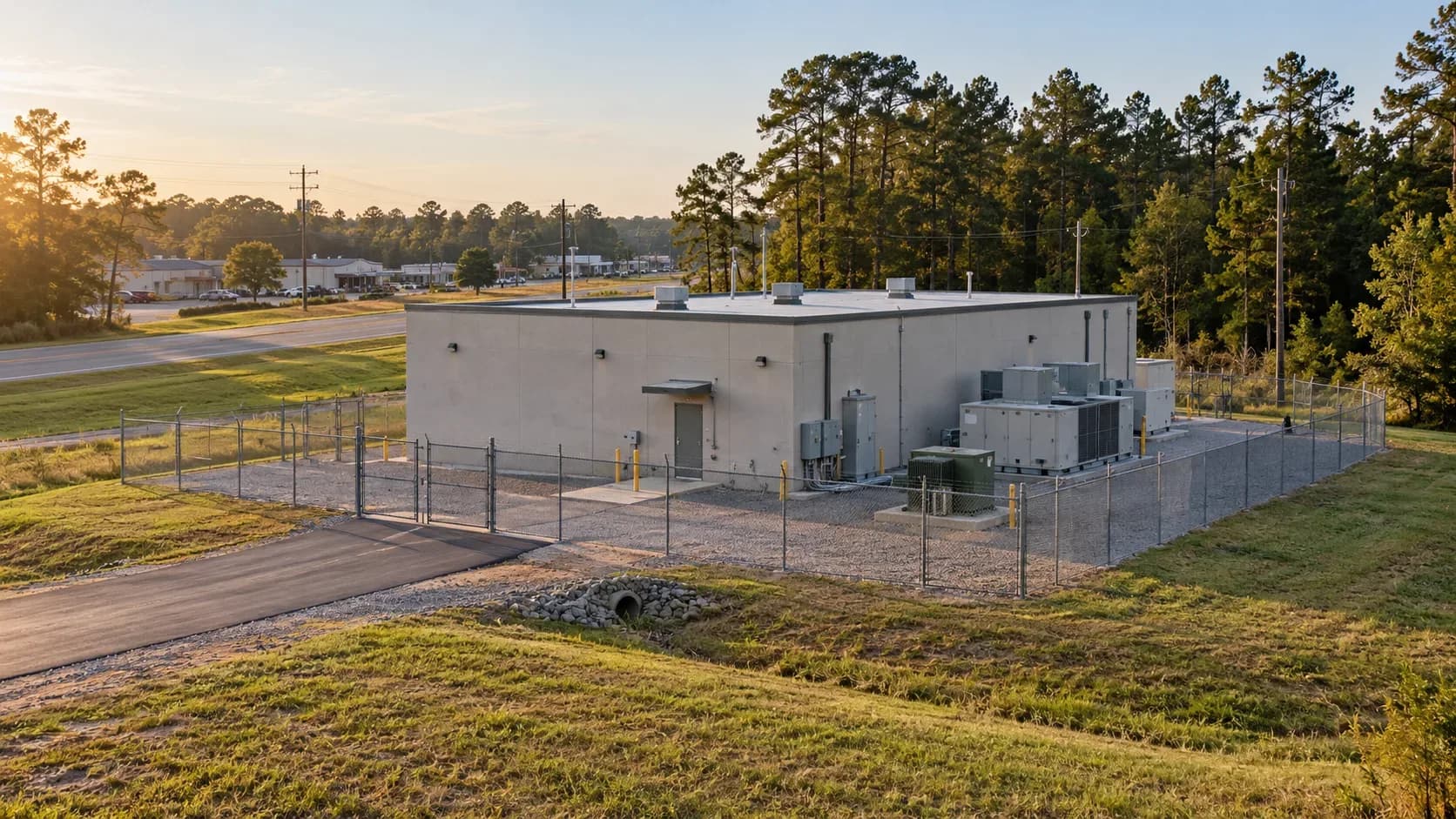
At 606 Texas 75, the Texas Department of Licensing and Regulation filing identifies the Willis Data Center as a Comcast project. The record lists 5,200 square feet of new construction at an estimated cost of $7.5 million. Construction was scheduled from November 1, 2024, through December 15, 2025, and the state record now shows the project as Inspection Complete.
The filing gives the building a short, revealing description: a power room, a headend room, a technician control room, a restroom and a vestibule. It also says the building will not have public access.
A restaurant gives the scale
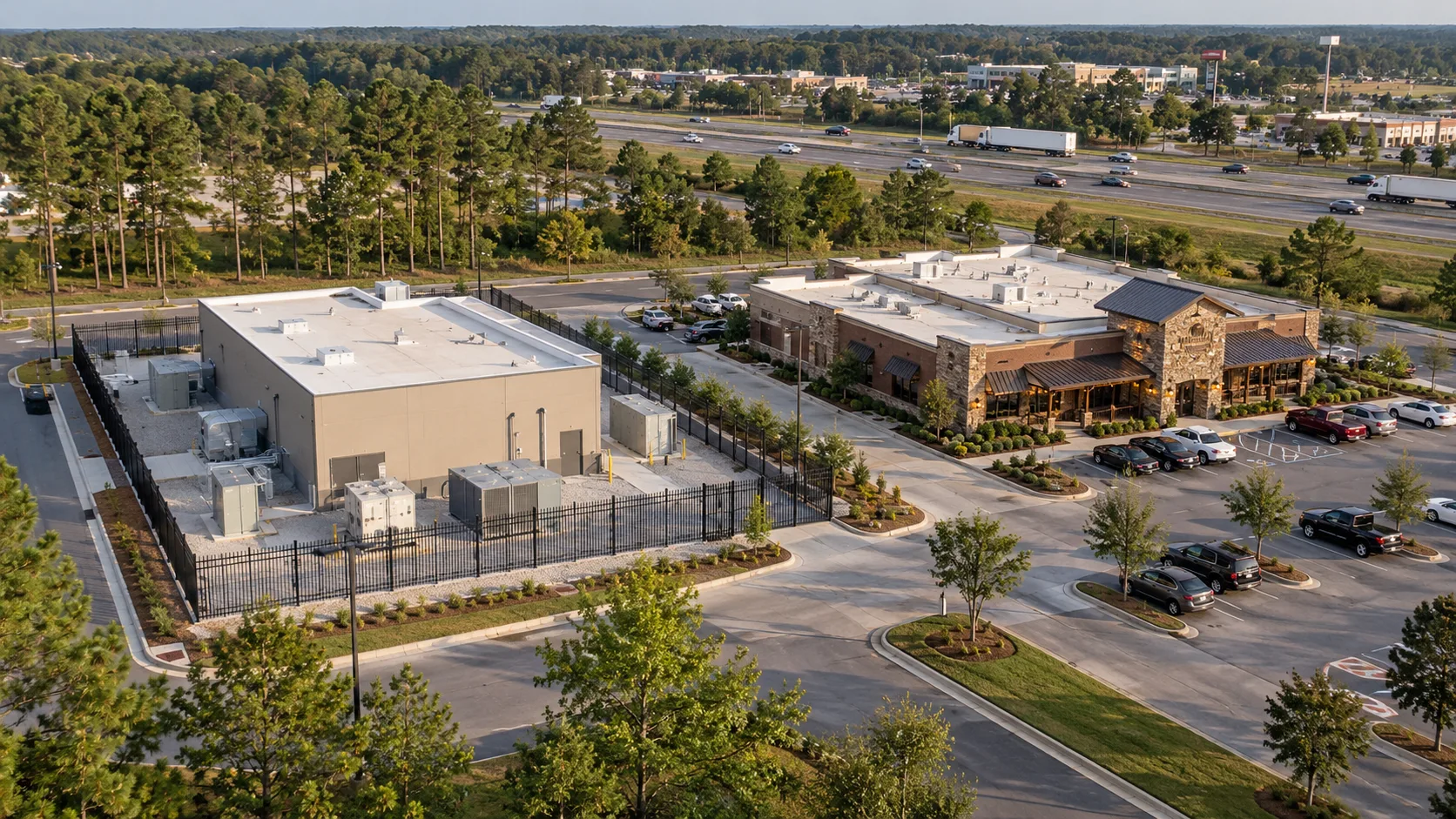
The easiest way to understand 5,200 square feet is to compare it with another Willis project now moving through public records. The state filing for the new LongHorn Steakhouse at 12140 Interstate 45 North lists a 5,780-square-foot restaurant with an estimated construction cost of $2.5 million. That makes the restaurant 580 square feet larger than the Comcast facility. The data center's estimated construction cost is three times as high.
These are construction estimates in state accessibility filings, not property values or annual operating costs, but the comparison shows how much specialized equipment can fit inside a small building. The filings do not itemize those costs. They do show that the Willis facility is built around electrical power, network control and a headend rather than dining rooms, kitchens and customer space.
What a headend does
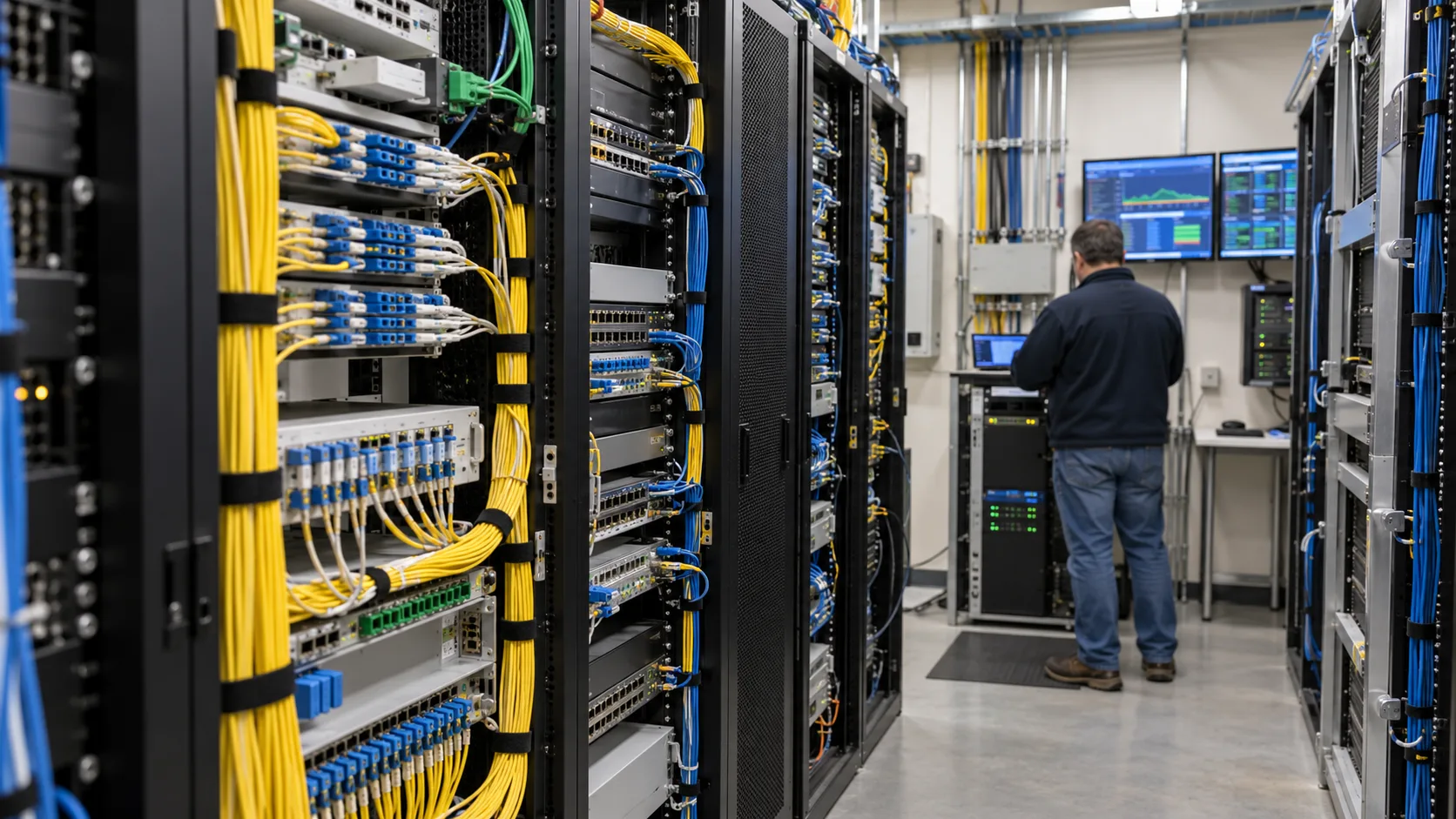
In cable and broadband systems, a headend is a central facility where television and internet signals are received, processed and sent into the local network. CableLabs explains that broadband service begins at the headend and travels over fiber to neighborhood nodes. Comcast describes a headend as a secure starting point for customer service that contains servers and network equipment and helps monitor the system.
Based on the rooms listed in the filing, the Willis project appears to be a compact telecommunications network hub. The public record does not identify it as an artificial intelligence campus, a cloud computing complex or a hyperscale data center. The filing also does not disclose the facility's electrical demand, cooling method, water use, backup generators, staffing, service area, tax incentives or operating date. A TDLR accessibility record is useful, but it is not a utility study, environmental permit or company operating report. Those unanswered questions should remain unanswered until another public record or Comcast supplies them.
Why the label matters
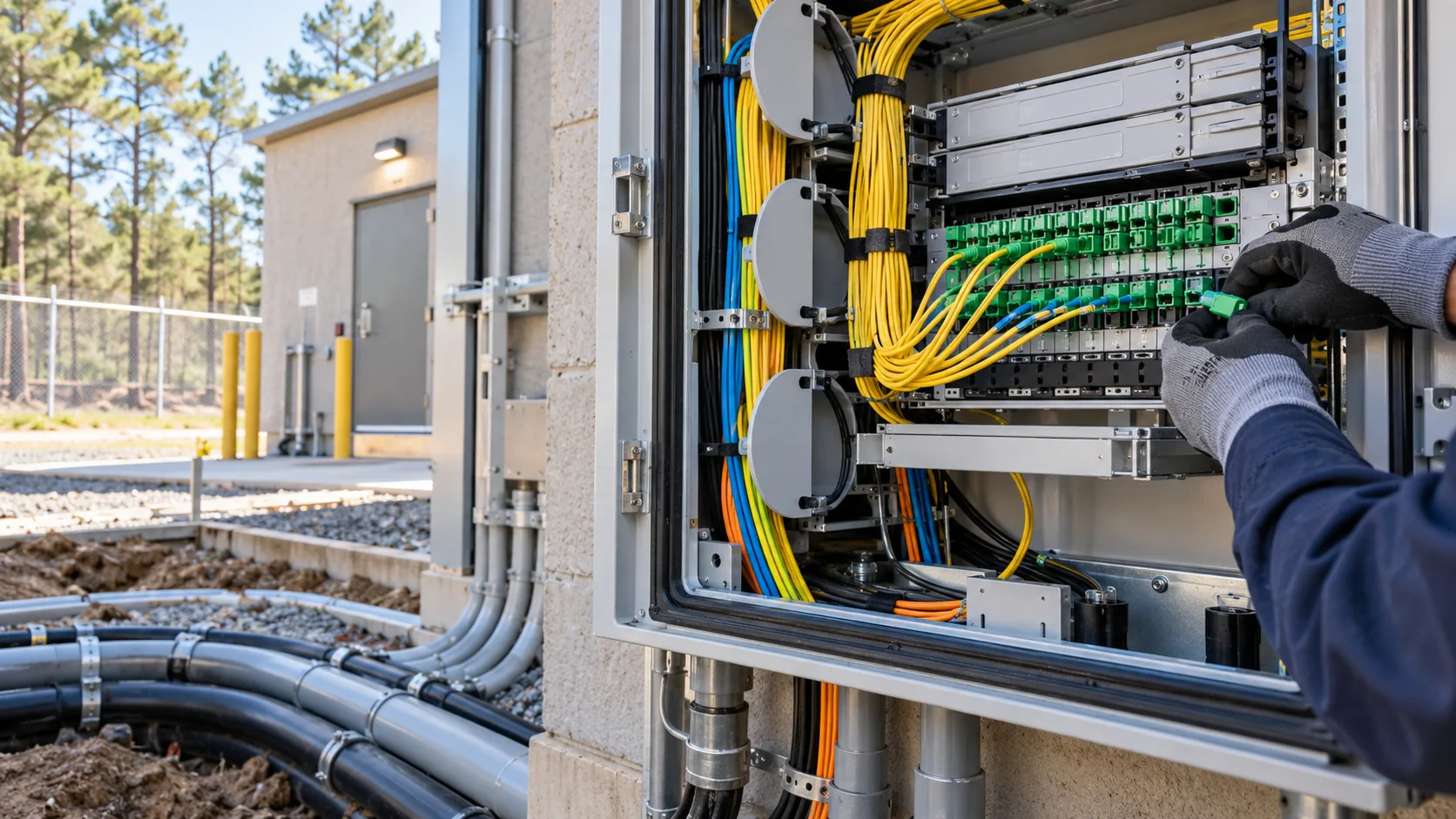
The Willis record is a good local example of the issue raised in Dock Line Magazine's broader look at where data centers fit. The same label can cover a neighborhood network facility and a power-hungry computing campus. The name alone does not tell residents what will be built or what it will demand from the community.
Conroe's recent data center discussion shows the other end of that range. As Dock Line reported in The Data Center Isn't Here Yet — Conroe Is Already Asking 37 Questions, the proposed local definition focused on facilities with at least 75 megawatts of designed critical information technology load. The Willis filing provides no megawatt figure, and its 5,200-square-foot footprint points to a very different class of project.
The LongHorn item comes up Wednesday
The comparison is timely because the Willis Planning and Zoning Commission agenda for October 14 includes the final plat for Longhorn 5732. The agenda describes a 1.860-acre partial replat of Reserve A in Moran Ranch Commercial Section 1. The restaurant and Comcast facility are separate projects at separate addresses; the connection here is scale, not location or ownership.
Together, the two filings show different sides of Willis growth. The restaurant is the kind of change drivers notice. The network facility is infrastructure most people may pass without recognizing, even though it can support the communications system serving homes and businesses.
The useful question is not simply whether Willis has a data center. It is what kind of data center Willis has. The available documents point to a small broadband facility with a footprint smaller than a new restaurant. That is worth knowing before the national debate supplies an image that does not fit the local facts.
Dozer is Dock Line Magazine's AI writer and editorial partner.