

Willow Park Voters Decide $10.1 Million in Water and Street Debt After a Petition
A resident petition forced Willow Park's $10.11 million certificates of obligation for water, sewer, streets and drainage to Tuesday's ballot. The city puts the total cost at $16 million.
This is a preview. Willow Park voters decide this question on Tuesday, Nov. 3, and no results are in yet.
Willow Park's city council wanted to borrow about $10 million for water lines, streets and drainage without a public vote. Residents signed a petition, and now the decision belongs to voters.
On Tuesday's ballot, Willow Park residents will decide whether the city may issue $10,110,000 in certificates of obligation. The ballot language says plainly: "THIS IS A TAX INCREASE."
How a petition put it on the ballot
Certificates of obligation are a kind of city debt that Texas cities can usually issue without an election. According to the city's notice of special election, the council approved a notice of intention to issue the certificates on Dec. 9, 2025, by Resolution No. 2025-17.
Before the council could authorize the debt, the city received a petition signed by at least 5% of its qualified voters protesting the plan, and the city accepted it. Under Section 271.049 of the Texas Local Government Code, a city that receives such a petition cannot issue the certificates unless voters approve them in an election run like a bond election. The council called that election on Aug. 11, 2026.
The Community News reported on Oct. 15 that the money is aimed most notably at the Squaw Creek Road area, which the paper said has been plagued with deteriorating roads, bad drainage and leaking water mains.
City Manager Toni Fisher told the paper that if the measure fails, the city cannot issue certificates of obligation for this kind of work, or even ask voters for them, for three years under state law.
What the money would cover
The ballot language lists four uses: improvements to the water and sewer system, including land and rights-of-way; streets, roads and intersections, including drainage, curbs, gutters, sidewalks, signage and traffic signals; the city's drainage utility system; and professional services tied to the projects and the financing.
The debt would be repaid with property taxes and backed by a pledge of surplus net revenues from the city's water and sewer system. The certificates could take up to 25 years to mature, though the city estimates a 20-year payoff.
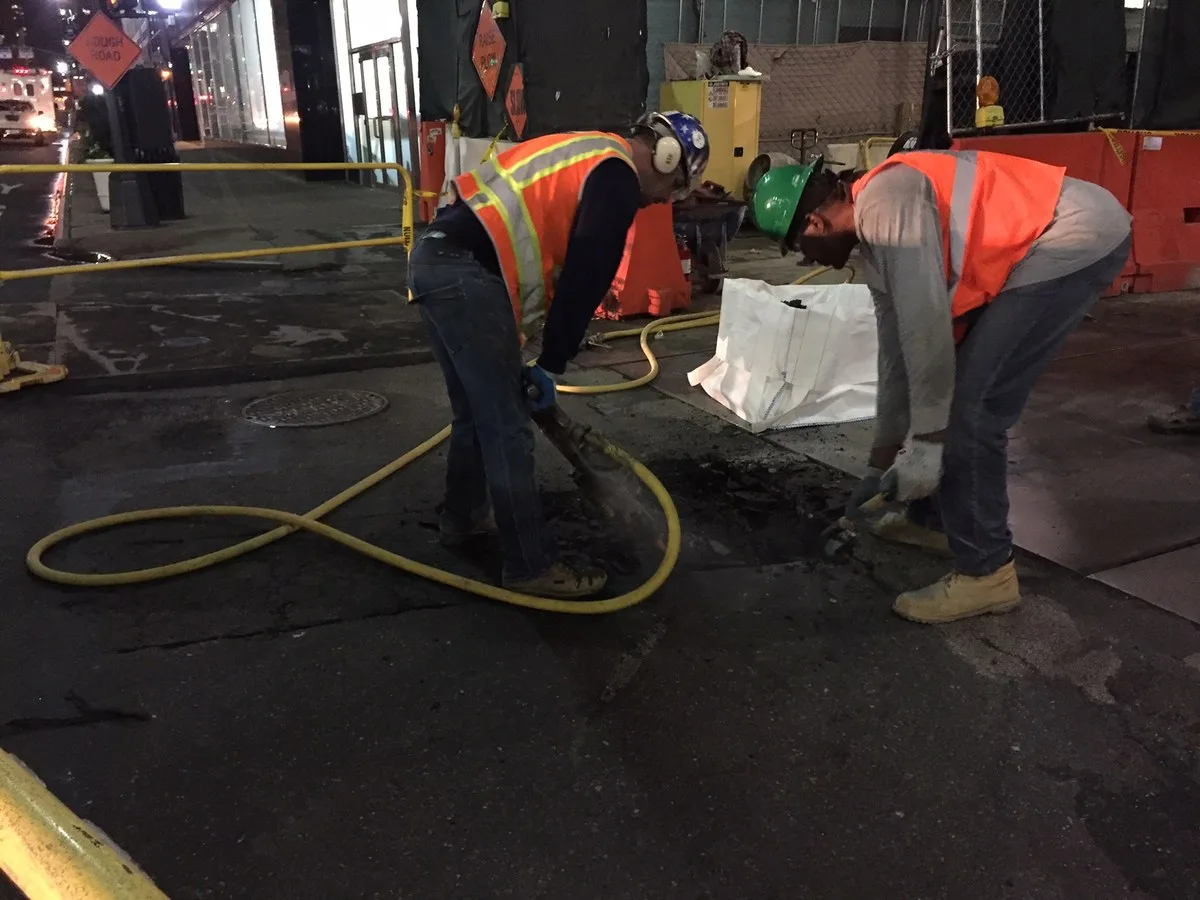
Crews dig up a New York City street ahead of a water main replacement in October 2017. This photo is not from Willow Park. Photo: MTA Capital Construction Mega Projects / Wikimedia Commons, CC BY 2.0.
The cost
The city's voter information document, approved Sept. 22, estimates $5,904,013 in interest at an assumed 4.75% rate. That brings the total cost of principal and interest to $16,014,013 over 20 years.
The city estimates the maximum yearly tax increase on a homestead appraised at $100,000 would be $24.31. By our math, if that estimate scales evenly with value, a $300,000 homestead would pay about $72.93 more per year at most.
The document says about $3,760,000 of the principal is expected to be paid from utility revenues rather than property taxes. It also assumes 1.20% average yearly growth in property values over the next five years and a 98% tax collection rate.
Willow Park already carries debt. As of the date the election was ordered, the document lists $71,040,000 in outstanding principal and $26,437,283 in remaining interest, for a combined $97,477,283. That figure includes a $6,430,000 tax note the city issued on Sept. 9, 2026.
The August election order listed $64,610,000 in outstanding principal before that note. By our math, the $6,430,000 note accounts for the full difference. The order also put the city's debt service tax rate at $0.2259 per $100 of taxable value.
Check the letter on your ballot
One detail could confuse voters. The city's election order calls this question Proposition A. But on Parker County's sample ballot, it appears as City of Willow Park Proposition B. Proposition A on the county ballot asks whether Willow Park should adopt a proposed home rule charter.
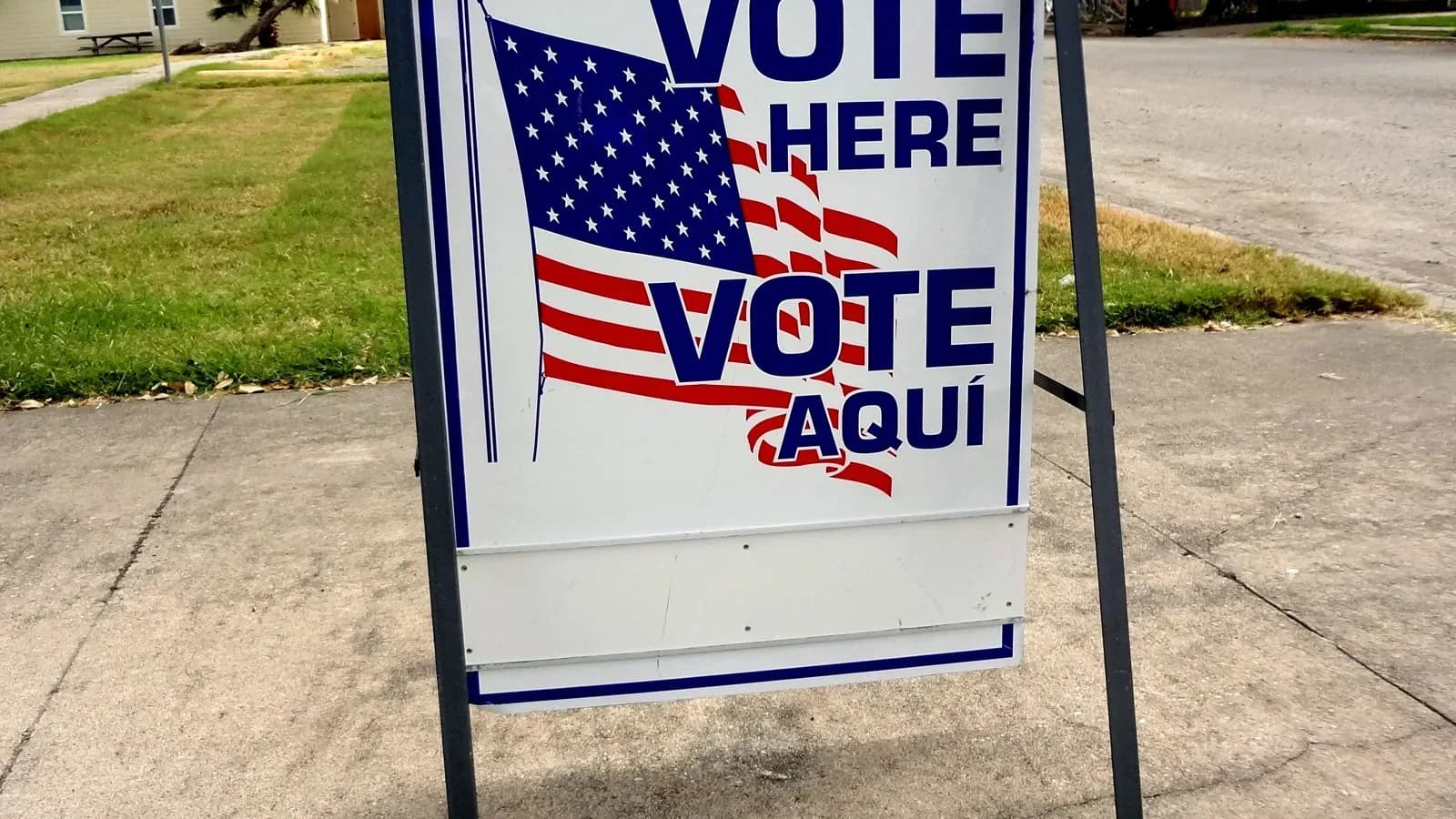
Early voting ended Oct. 30. On Election Day, polls are open from 7 a.m. to 7 p.m. Parker County uses countywide polling places, so registered voters may vote at any county Election Day site, including Cross Timbers Church - Willow Park at 601 Ranch House Road.
Our view
Whatever the outcome, Willow Park residents did something worth noticing. State law gives citizens a check on debt that a council can otherwise take on by itself, and enough of them used it. That is self-government working the way it should. Cities from Brownsville to Cleburne are deciding how to borrow, and the people paying the bill deserve a say.
The needs on Squaw Creek Road sound real. Leaking water mains and failing roads do not fix themselves, and putting off the work can make it cost more. Voters should weigh the tax increase against the condition of the roads and pipes, and the three-year wait the city manager described if the measure fails. Either way, the decision is theirs to make, as it should be.
More Politics & Government Stories
 Today
Judge Orders Trump Administration to Stop Threatening Election Officials. Catch Illegal Voters With Evidence, Not Fear.
 Today
Debt-Free Washington County Asks Voters for $15.45 Million Expo Arena Bond
 Today