Have you felt the world shrinking lately?
War overseas. Political division at home. Election seasons that feel less like conversations and more like trench warfare. People get personal. Lines get drawn. Eventually, many retreat to the safety of their own living rooms. And sadly… many stay there.
Here in Montgomery County, something quieter has been happening beneath the noise of politics. People are slowly disconnecting from the community. Places where laughter once traveled down our streets like a kite caught in the wind now sit quiet. What’s left is a combination of silence, distance and disconnection. Some say those community gatherings were not essential. Easy to lose.
Science strongly disagrees.
Those interactions were medicine. No different than a hug, a handshake, or the simple recognition of another human being. Small moments, but essential to how we function as people.
For more than eighty years, researchers at Harvard University have tracked hundreds of lives through one of the longest studies ever conducted on human health and happiness. After decades of data, the conclusion was surprisingly simple. The strongest predictor of long-term well-being wasn’t wealth. It wasn’t career success. It wasn’t even genetics.
It was relationships.
People with strong social connections live longer. They experience fewer chronic illnesses. Their mental health remains stronger as they age. Isolation produces the opposite effect.
Loneliness increases the risk of depression, heart disease, cognitive decline and early death. Some researchers now say chronic loneliness carries health risks comparable to smoking or alcohol use. Ironically, many people turn to alcohol, substances, or other unhealthy coping mechanisms to fill the same emotional void isolation creates.
Harvard psychiatrist Robert Waldinger summarized the findings simply: good relationships keep us healthier and happier.
Human beings are not designed to thrive in isolation. Our brains and nervous systems are wired for connection. When that connection disappears, the consequences ripple outward physically, psychologically and socially. Now we’re talking about something too well known. Trauma.
Psychiatrist Bessel van der Kolk, author of The Body Keeps the Score, has spent decades studying trauma and its impact on the human brain. His research reaches a similar conclusion. Trauma disconnects people. It separates them from their bodies, from their emotions, and from other people.
Isolation grows. Loneliness deepens and the cycle continues. So how do we heal?
Recovery happens through safe relationships, shared experiences and environments where people feel seen and supported. In other words – community. We heal through community.
Those small everyday interactions matter more than we realize. Conversations at restaurants. Familiar faces at the local bakery. Running into neighbors at church, markets, or public events.
Sociologists call these connections “weak ties.” They’re the informal relationships that link communities together. The barista who remembers your order. The vendor who asks how your family is doing. The bartender who digs on you. The neighbor you recognize from weekend events. Individually, they seem minor. Collectively, they form the fabric of community.
You’ve probably heard politicians use that phrase countless times – “the fabric of our community.” Here’s the why behind the catchphrase.
When people feel overwhelmed by events they cannot control – wars overseas, bitter elections, constant political rhetoric – the instinctive response is withdrawal. People turn inward. They stay home. Interactions move from sidewalks to screenshots. Slowly, the everyday relationships that once connected communities begin to weaken. Resentment grows. Suspicion replaces friendship.
This is when community spaces matter most.
Unfortunately, those spaces are becoming harder to maintain. Insurance requirements, permits, safety regulations and rising event costs make public gatherings increasingly difficult for small organizers to sustain.
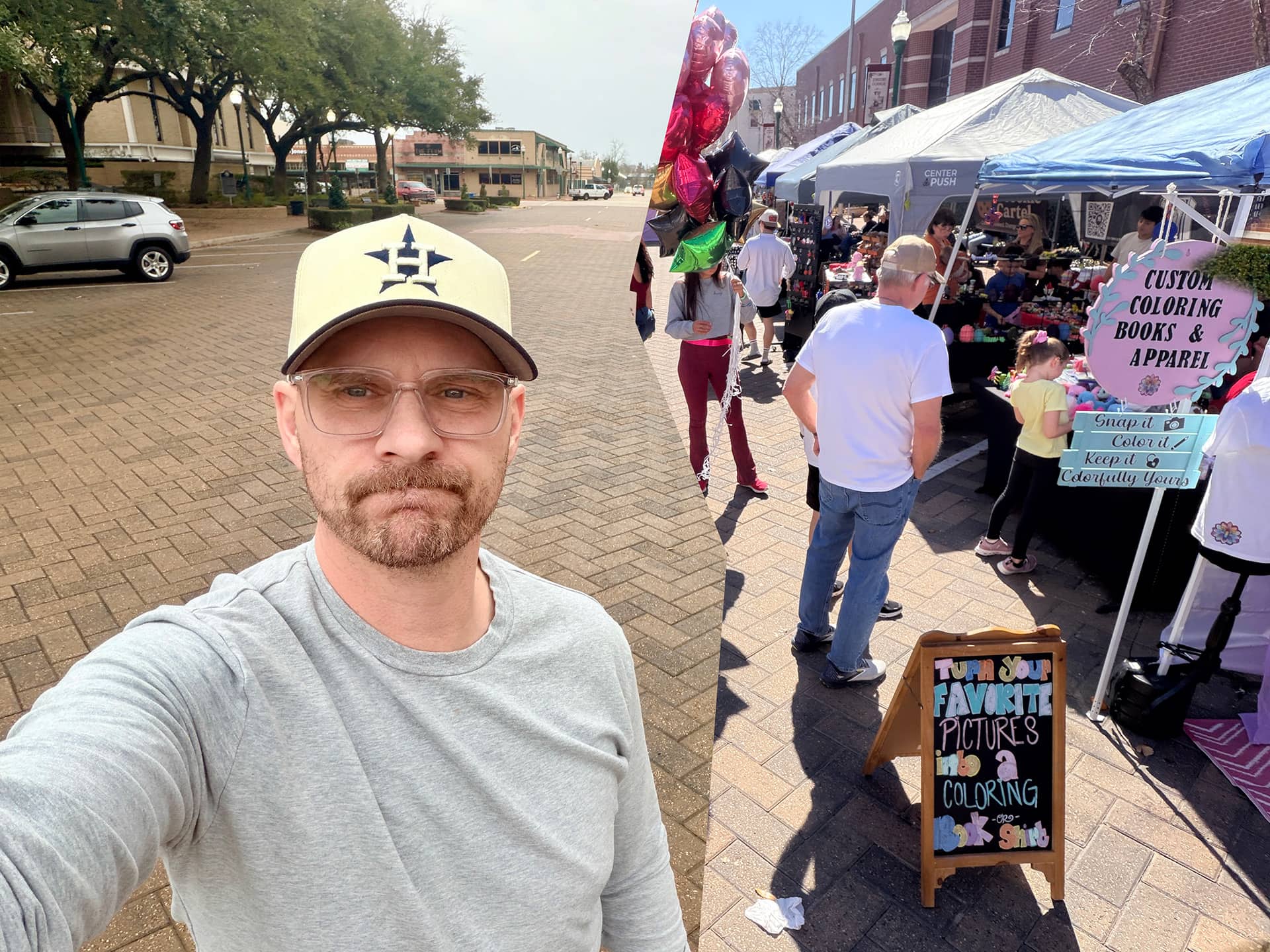
In Conroe, the closure of the Main Street Market became one visible example of how these changes reshape public life. For years the weekly market hosted dozens of local vendors and created a gathering space for residents across Montgomery County. People prayed, bought homemade items, and let their kids play. The street was alive.
Regardless of where people stand politically, the emotional impact feels the same. When familiar gathering spaces disappear, communities lose the casual encounters that make them feel human.
Those “weak ties” vanish.
Research shows those connections help build trust, reduce social anxiety and strengthen civic engagement. They remind us our neighbors are more than political identities or social media profiles. They have hearts and minds that matter.
Without those interactions, something else fills the void. Suspicion. Polarization. The sense that strangers are threats instead of neighbors. Isolation doesn’t just affect social life. It affects mental health, addiction recovery and emotional resilience. When people feel disconnected, stress rises. Anxiety increases. The sense of belonging that helps communities weather difficult times begins to erode. Echo chambers replace conversation and that’s not place for healing.
There’s hope though. Connection is remarkably resilient. History shows communities can recover from periods of isolation and division … but recovery doesn’t happen by accident.
Communities – and the leaders who guide them – must recognize the importance of social infrastructure. Parks. Markets. Libraries. Festivals. Local businesses. Community events. These places are not just entertainment. They are where trust grows. They are where civic identity forms. They are where people remember the person standing beside them in line at a food truck isn’t an ideological opponent – but another neighbor trying to build a life in the same town.
So yes, we can recover from social disconnection – if we start showing up again.
Say hello to the person next to you at a coffee shop. Support a local event. Attend a market or festival when they return. Encourage community leaders to protect the spaces that bring people together. Start new routines in old places. Critically think around the barrier stopping simple social exchanges and get to work knowing each other again.
Connection matters. The research is clear. Human beings heal together. If you’re someone reading this who feels isolated, overwhelmed, or trapped in addiction or depression, remember this: You are not alone.
I’ll say that again. You are not alone. I am with you and can help.
Recovery – whether from loneliness, trauma, or addiction – almost always begins with connection. A conversation. A meeting. A support group. A friend who listens.
Reach out to me. I can tie you into those spaces. Help you get into care. Tell you how loved you are. I can place you in contact with groups, counselors, facilities – whatever is needed.
Communities recover when people reconnect. That takes an intentional effort. It won’t just happen and sometimes the first step toward healing – for a town or a person – is simply realizing there are still people here who care … and introducing yourself.
My name is Chris. I’d like to meet you because together, we can recover from anything.
Visit My Website: HeyFahey.com to send me a message.
Written by: Chris Fahey
Military veteran coordinator for Stone River Recovery Center