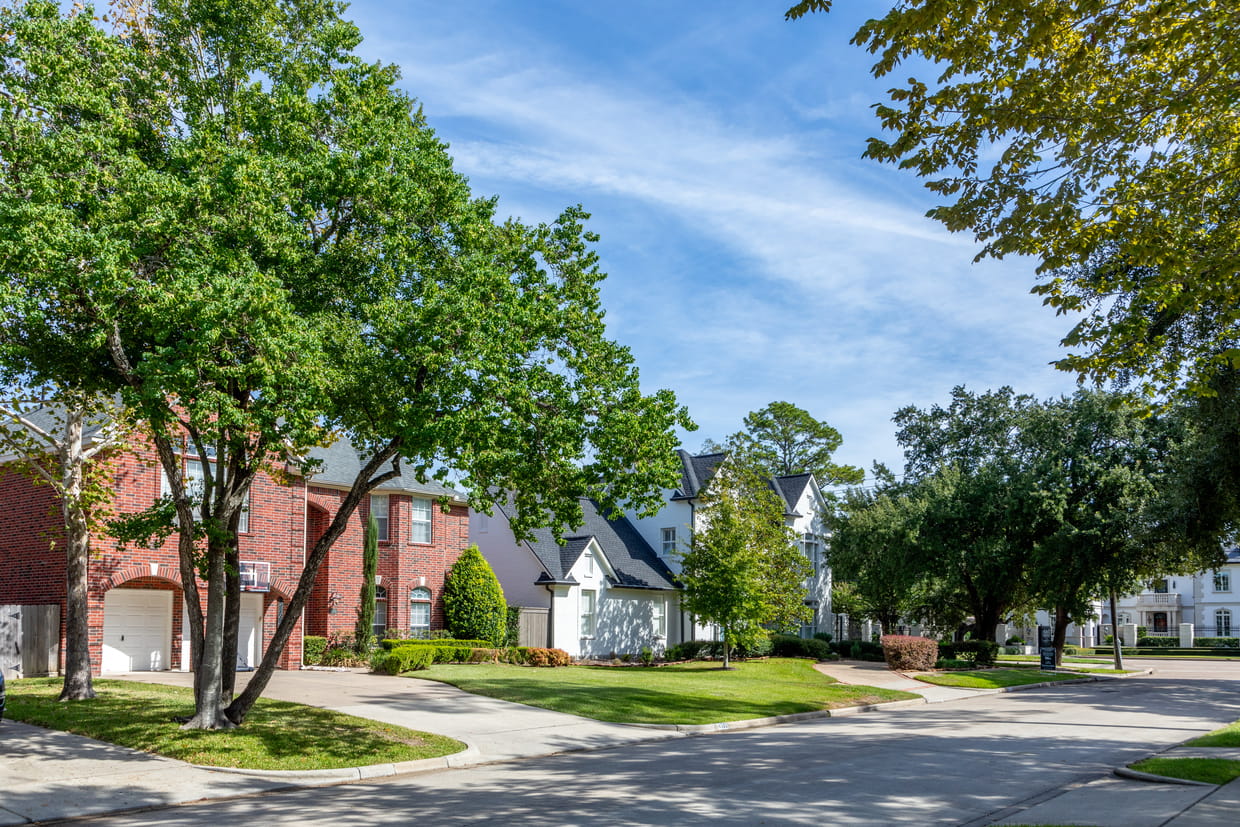
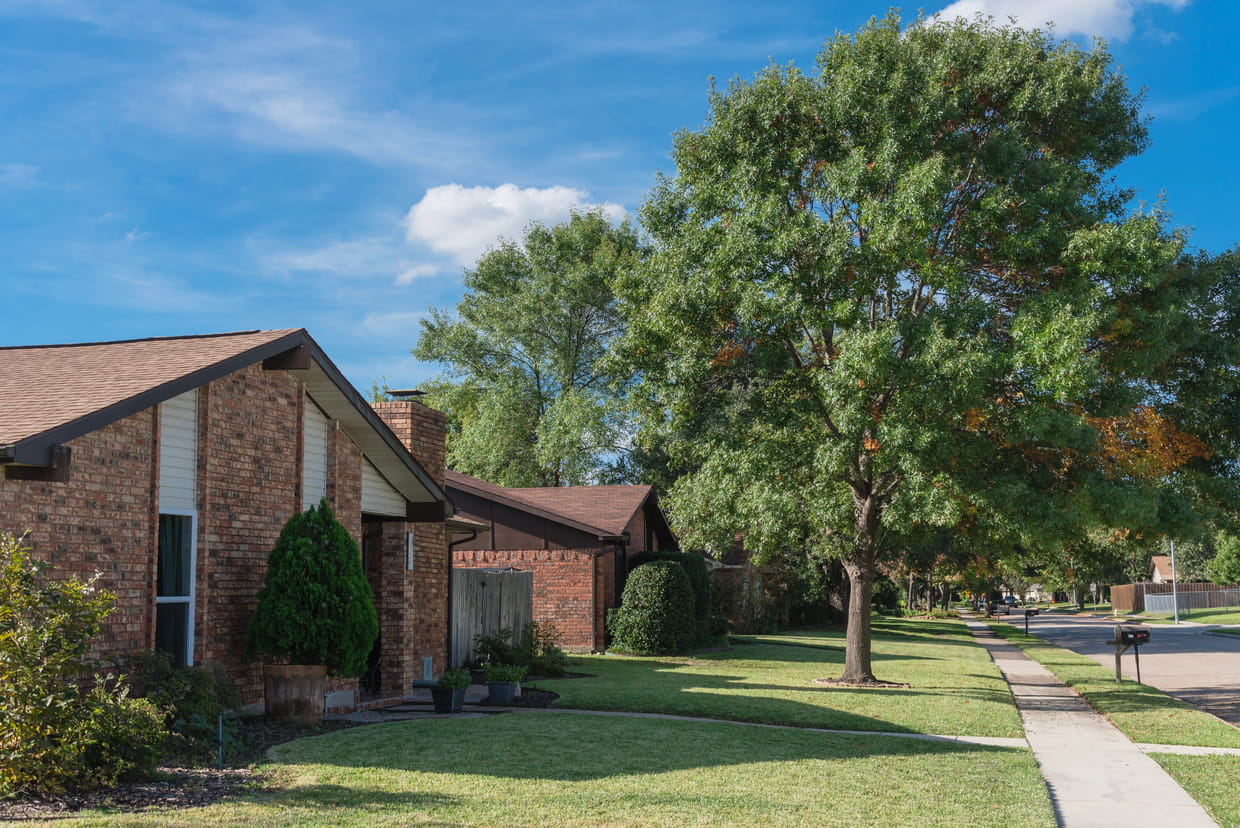
Spend enough time in neighborhoods across North Houston, and you start to notice a pattern. People live close to each other, but they do not always know each other. You might recognize a face from across the street or wave to someone while pulling into the driveway, but beyond that, the connection often stops there. It is not intentional. Life just gets busy, and routines take over. The reality is, those small connections matter more than most people realize. A good relationship with your neighbors is not just about being friendly. It becomes practical when you need it.
The Practical Side of Knowing Your Neighbors
Most people do not think about their neighbors until something comes up. Maybe you are heading out of town and need someone to keep an eye on the house. Maybe a package shows up while you are at work. Or maybe you just need to borrow a tool you do not have sitting in the garage.
These are the moments where a simple relationship turns into something useful. Instead of scrambling or overthinking it, you already know someone nearby who can help. It is not about relying on others for everything. It is about having a level of trust built into your immediate surroundings. That kind of connection does not happen overnight, but it also does not require a big effort to get started.
Why Neighborhood Connection Feels Different Today
In many ways, neighborhoods have changed. People are busier, schedules are tighter, and more interaction happens online than in person. It is easy to go days, even weeks, without talking to the people who live closest to you.
At the same time, there is still a strong sense of togetherness across local communities You see it at local events, school functions, and weekend activities. The foundation is still there. It just does not always carry over to the street level unless someone makes the first move.
Simple Ways to Build Relationships With Your Neighbors
Connecting with neighbors does not require a big plan. It usually starts with something small and consistent. A quick introduction, a short conversation, or even just taking a few extra minutes to stop and talk instead of waving and moving on.
Over time, those small interactions build familiarity. Familiarity turns into trust. And eventually, it becomes a relationship that feels natural instead of forced. This is the same kind of connection that carries into other parts of life, including volunteering and community involvement, which has been explored in simple ways to give back to your local community. It is less about doing something impressive and more about being present enough for those moments to happen.
What Happens When No One Starts It
In some neighborhoods, everyone is waiting for someone else to make the first move. People are open to connection, but no one takes that initial step. That is usually what keeps things quiet.
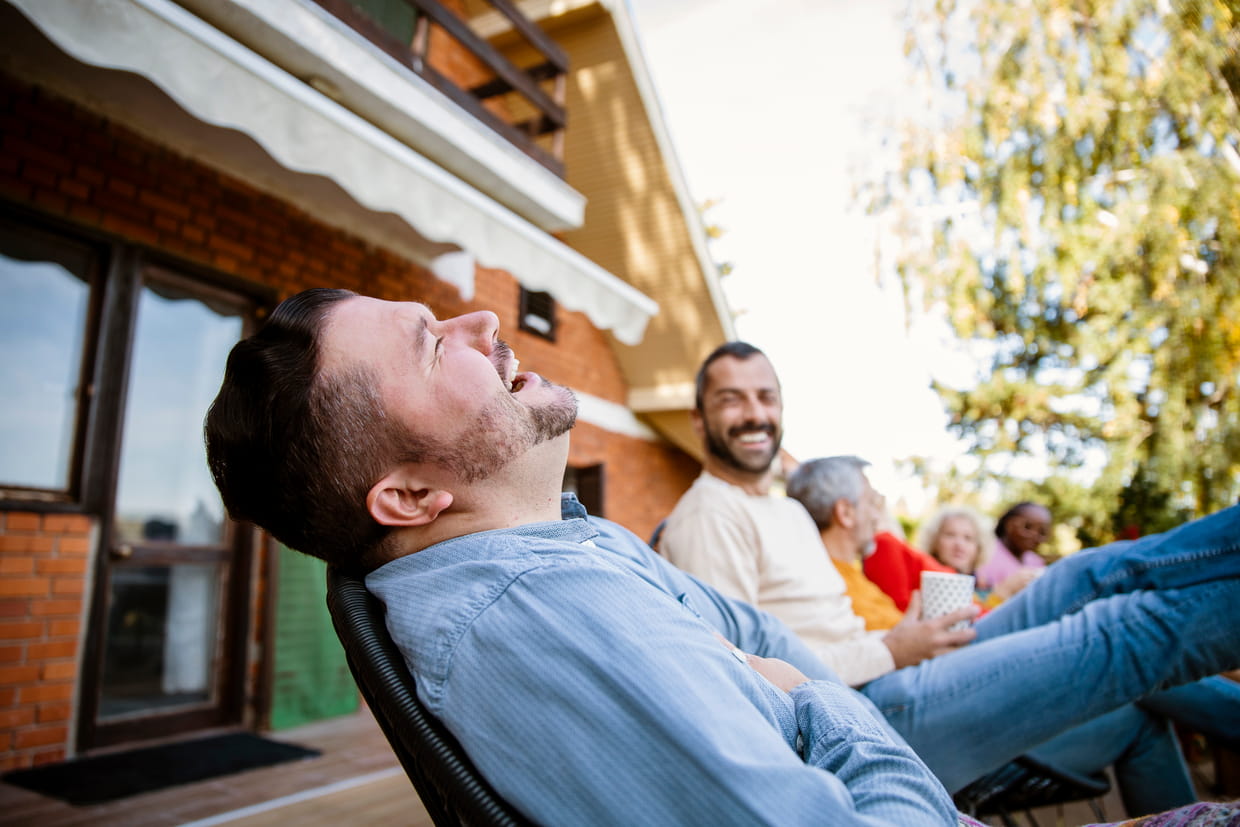
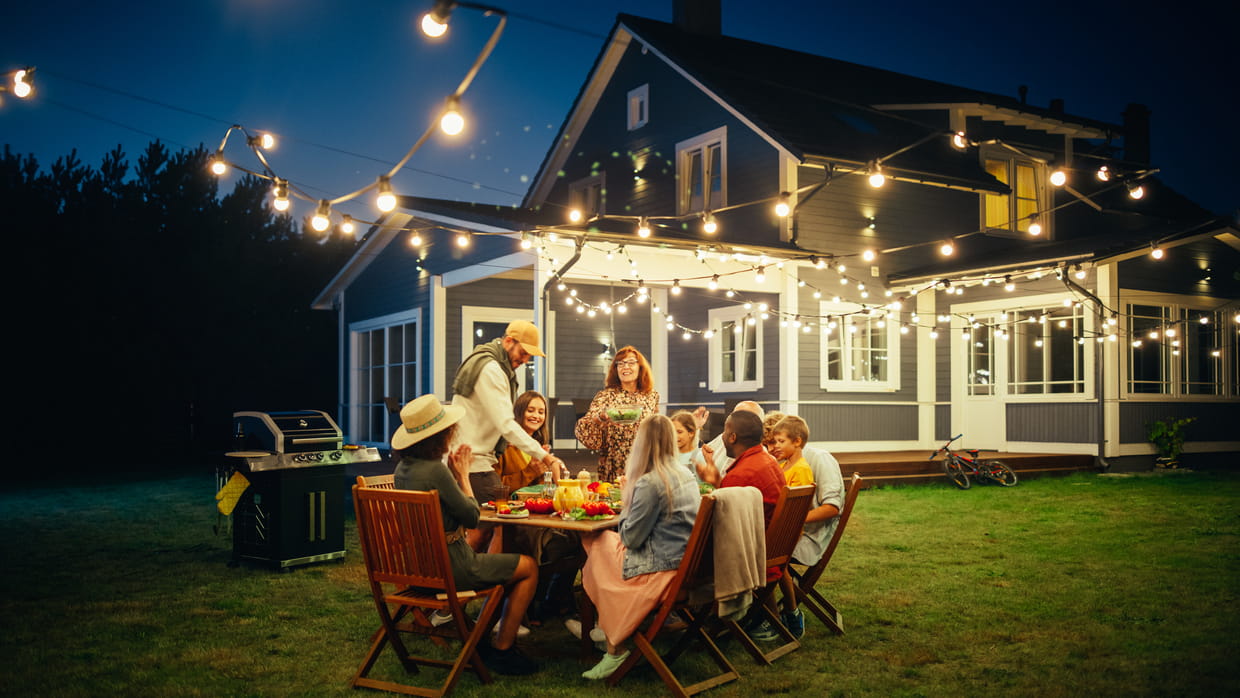
The interesting part is how quickly that can change. It does not take a large event or a formal plan. Sometimes it is as simple as organizing a casual get-together, a weekend cookout, or even just inviting a few neighbors outside for conversation. In many communities, these small efforts are what lead to bigger involvement, similar to how local initiatives and shared spaces bring people together across North Houston neighborhoods.
How One Person Can Build a Stronger Neighborhood
Every active neighborhood usually has a starting point. It is often one person or one family who decides to create something where nothing existed before. It does not have to be complicated. A simple gathering, a shared space, or a recurring meet-up can be enough.
From there, others begin to participate. What started as a small effort turns into something people look forward to. Over time, it creates a stronger sense of connection that benefits everyone involved. This same idea shows up in local stories like the joy of fostering and helping others in the community, where one small action creates a ripple effect. That is how community forms in a practical, everyday way. Not through big initiatives, but through small actions that are repeated.
Taking the First Step in Your Own Neighborhood
If your neighborhood feels quiet or disconnected, it is not a permanent condition. It just means no one has started something yet. That can change quickly with one small effort.
You do not need a perfect plan. Start with a conversation. Introduce yourself. Be open to small interactions. If it grows into something more, great. If not, you have still created a connection that did not exist before.
Most people are more open to it than you think. They are just waiting for someone else to go first.