
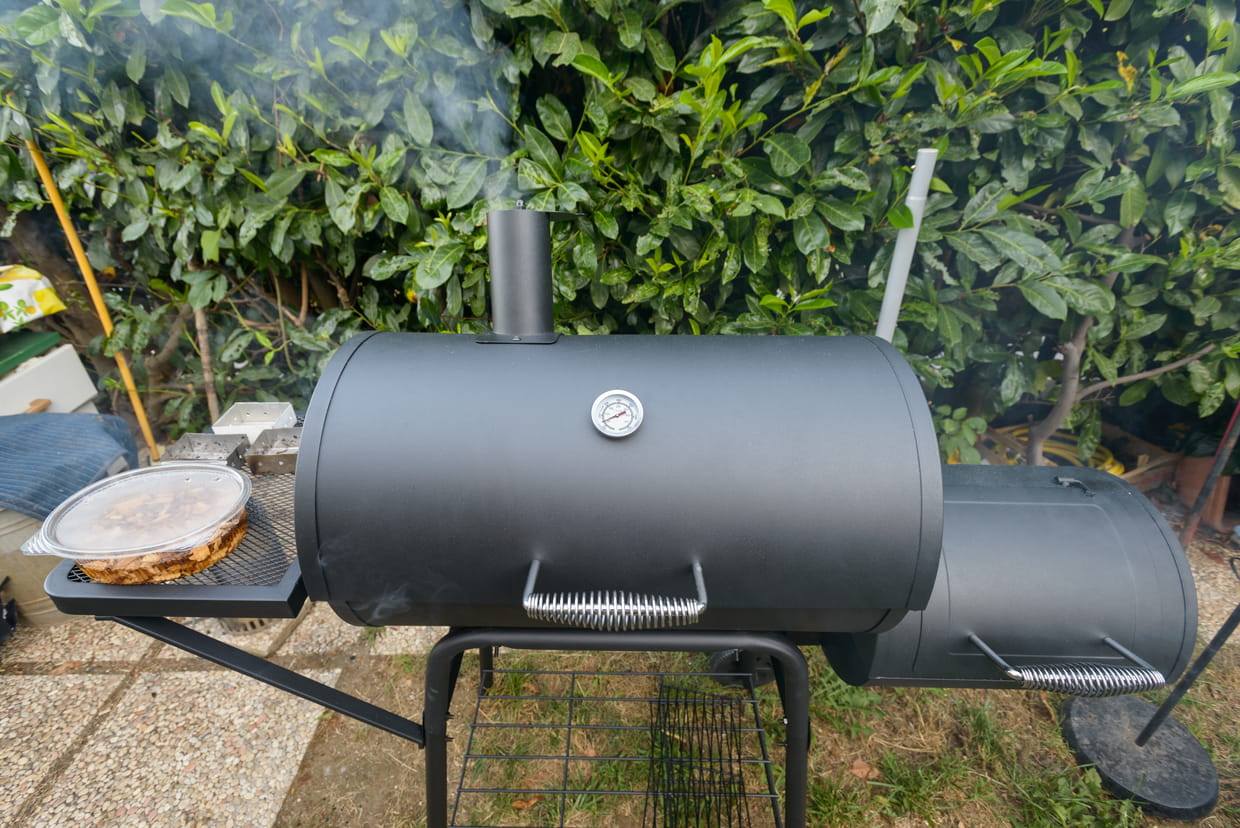
Around North Houston, cooking outside is not really a hobby, it’s a way of life. Jokes aside, a pellet smoker or an electric smoker is an easy way to cook the best meats without any hassle. Whether it’s a weekend treat in Magnolia or a family get-together in Cypress, the smoker tends to get fired up out as soon as the needs arise. Ribs are usually part of that rotation, but they also tend to get overcomplicated. There are a lot of methods out there, and most of them add steps that do not actually improve the end results.
My approach keeps it simple and focuses on consistency. No sugar and no guessing. Just a clean process that cooks ribs the way they are supposed to turn out.
How to Prepare St. Louis Style Ribs for the Smoker
Start by trimming the ribs properly. The goal is to remove the excess fat layer on the back so the seasoning and smoke can actually penetrate the meat. Once that is done, coat the ribs lightly with brown mustard. This is not for flavor as much as it is for binding the seasoning.
From there, apply a simple seasoning mix. Salt, pepper, garlic powder, onion powder, and a touch of Italian seasoning are enough for my taste buds. But, remember, the sky’s the limit. There is no need to add sugar or heavy rubs. The focus here is on letting the meat and smoke do the work, which aligns with traditional low-and-slow barbecue approaches outlined by sources like AmazingRibs’ basic barbecue principles.
If you are new to smoking or still dialing in your setup, having the right tools makes a difference. My preferred setup relies on a digital thermometer to track internal temperature without opening the smoker. There’s lots of good brands and options out there, but any will work.
Smoking Ribs at 200 Degrees: The First Stage
Set the smoker to 200 degrees and place the ribs inside. This first stage is about building smoke and slowly bringing the internal temperature up to 165 degrees. It is not a fast process, and it should not be. Rushing this part is where most people lose control of the texture. This may take 2-3 hours but I’ve also had larger ribs take upwards of 4 hours. Using a reliable thermometer helps avoid guessing and keeps the cook consistent. Once the ribs reach that 165 mark, you are ready to move to the next phase.
Wrapping and Finishing Ribs at 225 Degrees
After the ribs hit 165 degrees, wrap them tightly in foil and increase the smoker temperature to 225 degrees. This stage is where the ribs begin to tenderize and break down properly as connective tissue softens. The goal is to bring the internal temperature up to 205 degrees, which is where you’ll have the ideal tenderness.
This phase is where patience pays off. As explained in guides like USDA safe minimum cooking temperatures and slow cooking methods, controlling temperature over time is what allows tougher cuts like ribs to become tender without drying out.
Final Step: Unwrap and Let the Ribs Set
Once the ribs reach 205 degrees, remove the foil and place them back on the smoker at 200 degrees for about one hour. This final step allows the exterior to firm back up slightly while the fat continues to render. This is what separates a good rack of ribs from a great one. The texture evens out, the bark settles, and everything comes together without needing sauce or added sweetness.
Why Simple Smoked Ribs Work Best in Texas Backyards
There is a reason simple methods like this hold up over time. Around North Houston, cooking is less about showing off and more about getting it right. When you strip away the extra steps, you end up with something more consistent and repeatable.
It is the same mindset that shows up in other parts of outdoor living across the area, where people focus on practical setups and reliable routines instead of overcomplicating the process, similar to how local outdoor cooking and backyard setups continue to evolve across North Houston communities. If you want another kickin’ recipe – check out our Honey Mustard Pork Chops.
Getting Started with Smoking Ribs at Home
If you are just getting into smoking, this method is a solid place to start. It gives you a clear structure without adding unnecessary complexity. All you need is a smoker that can hold steady temperatures and a thermometer you can trust.
From there, it becomes less about following a recipe and more about repeating a process until it feels natural. That is usually when the results start to improve.