


Walk into churches across Tomball and the surrounding North Houston area, and you will notice something quickly. Not everyone is reading from the same Bible. Some bring older, more traditional versions, while others use modern translations that feel easier to follow. For many people, especially those new to church or returning after time away, this can raise a simple question. Why are there so many different versions?
The answer is less complicated than it seems. Most Bible versions are based on the same original texts but translated with different goals in mind. Some focus on word-for-word accuracy, while others aim for readability and clarity in modern language.
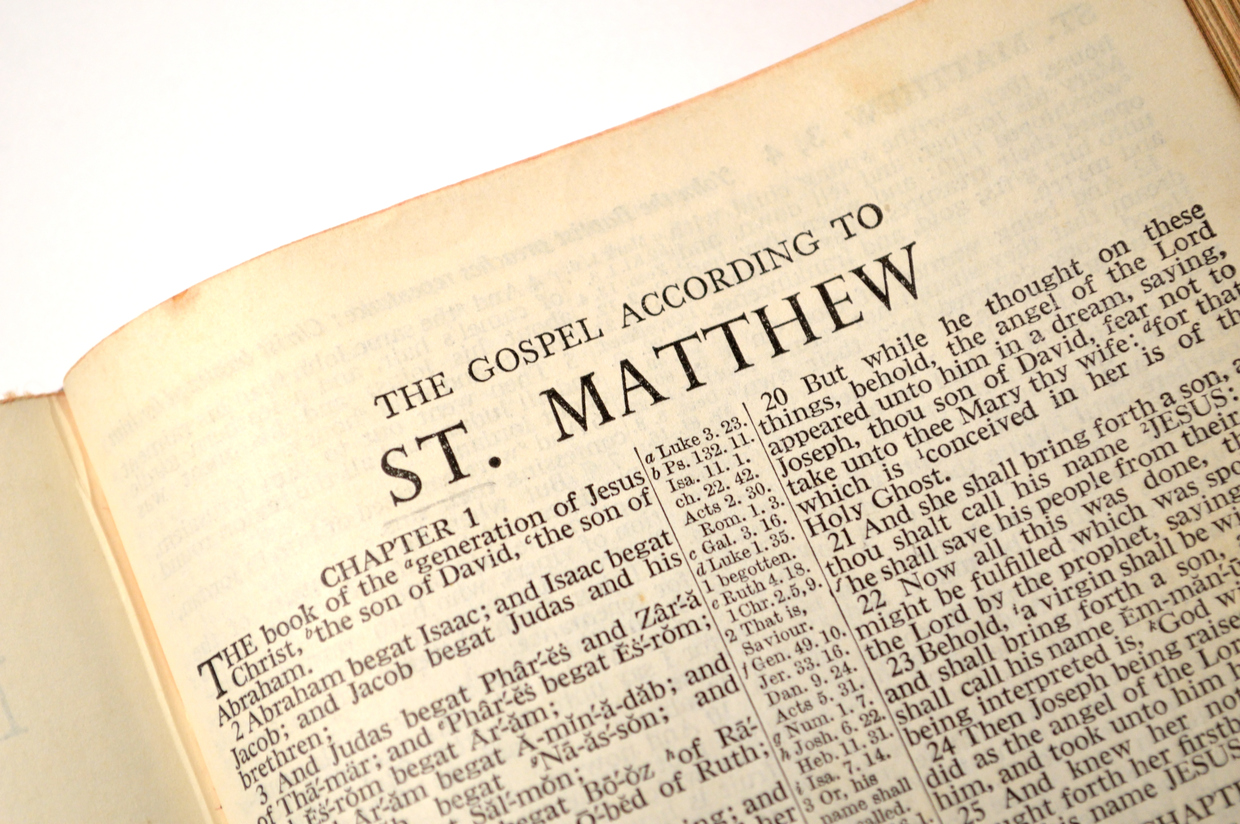



King James Version (KJV): Traditional and Historically Significant
The King James Version, first published in 1611, is one of the most well-known and widely recognized Bible translations. It was commissioned in England and has remained influential for centuries, especially in more traditional church settings.
The language reflects the time period in which it was written, using older English phrasing that can feel formal or difficult to follow for some readers today. Despite that, many people continue to use it because of its historical significance and familiarity. It is still commonly seen in churches throughout Tomball and nearby communities that prefer a more traditional style of worship.
For a deeper look at the history behind this translation, resources like the King James Bible overview from Britannica provide useful background.
New International Version (NIV): Balance Between Accuracy and Readability
The New International Version (NIV) is one of the most widely used modern translations. First published in the 1970s, it was developed to balance accuracy with readability, making it easier for a broader audience to understand.
Instead of translating every word directly, the NIV focuses on conveying the intended meaning of passages in clear, modern English. This makes it a common choice in many churches throughout Tomball and Harris County, where congregations often include a wide range of ages and backgrounds.
Organizations like Biblica, which oversees the NIV translation, provide additional context on how this version was developed.
English Standard Version (ESV): A More Literal Modern Translation
The English Standard Version (ESV) is often described as a more literal modern translation. It aims to stay closer to the structure of the original texts while still using contemporary language.
Because of this approach, the ESV is frequently used in teaching settings, Bible studies, and churches that prioritize detailed interpretation. It offers a middle ground between the traditional tone of the KJV and the more conversational style of the NIV.
For readers interested in how translation philosophies differ, explanations like translation approaches explained by Bible Gateway can help clarify these distinctions.
New Living Translation (NLT): Designed for Clarity and Accessibility
The New Living Translation (NLT) takes a more thought-for-thought approach, focusing heavily on clarity and ease of understanding. It is often recommended for newer readers or those who want a version that feels more like everyday language.
Rather than staying closely tied to original sentence structure, the NLT prioritizes communicating the meaning of passages in a way that is immediately understandable. This has made it popular for personal reading and introductory study.
Publishers like Tyndale, which produces the NLT, outline how this version was developed to improve readability.
Why Different Bible Versions Exist and Are Used Across Tomball Churches
The existence of multiple Bible versions is not about changing the message, but about translating ancient texts into language people can understand today. The original writings were in Hebrew, Aramaic, and Greek, which require interpretation when brought into modern English.
Different translations reflect different priorities. Some aim to preserve structure as closely as possible, while others focus on making the meaning clear for modern readers. Both approaches serve a purpose depending on how the text is being used.
This is why it is common to see multiple versions used side by side in churches and study groups throughout Tomball and the greater North Houston area.
How to Choose a Bible Version That Fits Your Reading Style
For most people, choosing a Bible version comes down to how they plan to use it. Some prefer the familiarity and tradition of the KJV, while others look for readability in versions like the NIV or NLT. The ESV often appeals to those who want a more structured and literal translation without older language.
There is no single version that fits every situation. Many readers use more than one depending on context, whether it is personal reading, group study, or attending church. For those exploring this for the first time, it often helps to spend time with a few different versions and see which one feels the most natural to read and understand.