Conroe Is Making Oilfield Ingredients From Fats and Vegetable Oils
Oleon’s new Conroe manufacturing unit turns familiar raw materials into specialty chemicals. Here is how that chemistry reaches the oilfield and other industries.
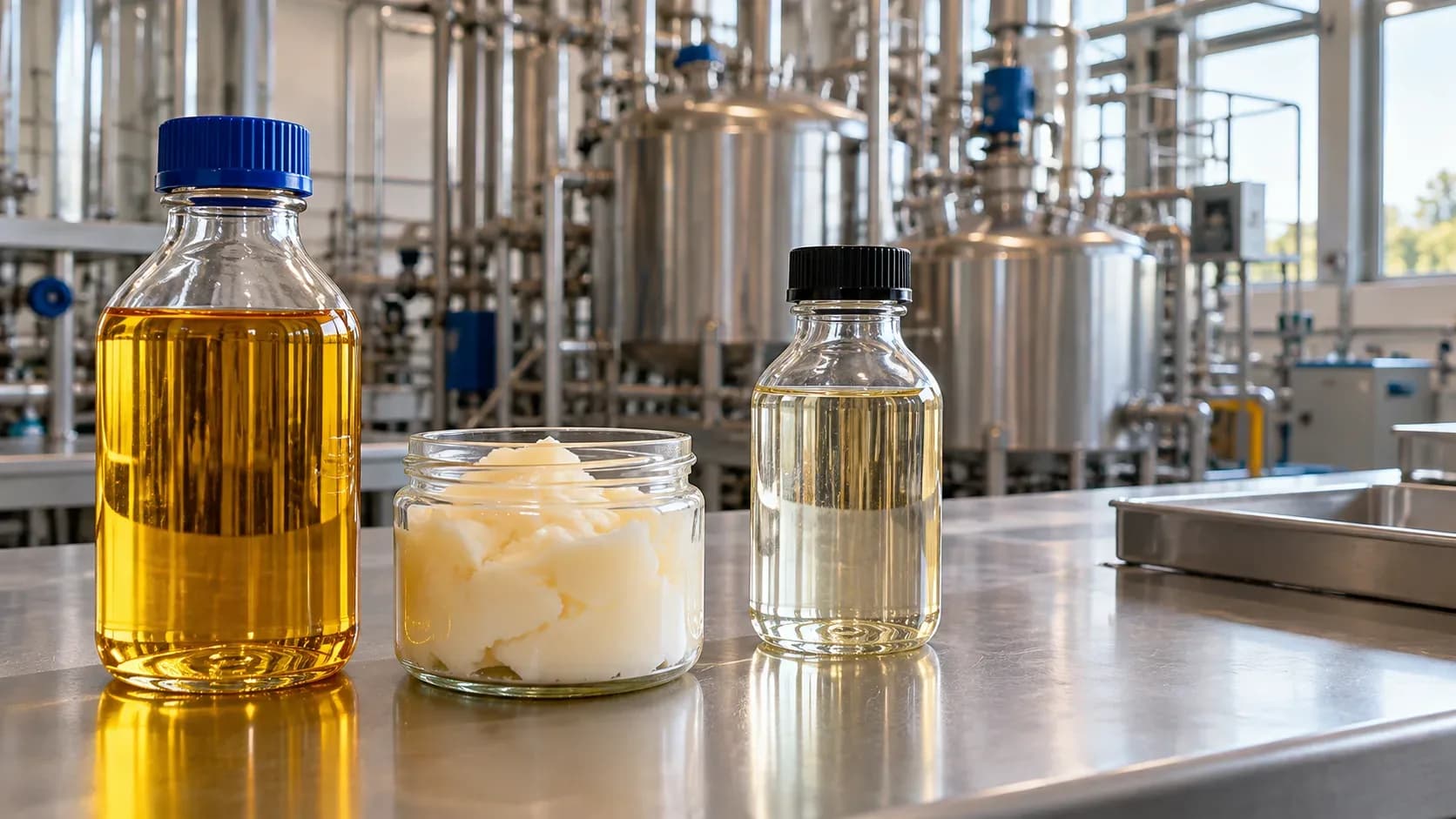
Fats and vegetable oils can become raw materials for specialty industrial ingredients. AI-generated editorial illustration; not an Oleon facility photograph.
Say a Conroe plant makes “oil products,” and most of us picture something that started underground. Oleon gives that phrase a different meaning. The company works with vegetable oils and animal fats, turning them into ingredients that other manufacturers use to make industrial products.
That connection is worth a closer look. A familiar raw material can travel through some fairly unfamiliar chemistry before it reaches a drilling operation or a piece of industrial equipment. Understanding that trip makes the news about Conroe’s newest manufacturing capability a lot more interesting than another ribbon cutting.
What changed in Conroe
Oleon says its new esterification unit became fully operational in September 2026 and was inaugurated October 15. The site already handled blending, filling, packaging, warehousing and logistics. It now has the added ability to manufacture specialty esters. [1]
Those are different jobs. Blending combines ingredients into a mixture. Esterification involves a chemical reaction that produces an ester. Adding that step means a facility can make an ingredient that previously might have arrived ready for blending or distribution.
The Houston Chronicle’s Sondra Hernandez reported October 19 that Oleon acquired the former Newpark facility at 701 Conroe Park West Drive in June 2023. Her coverage also noted a January suspension of blending operations over permitting issues, which company leaders said had since been resolved. [2]
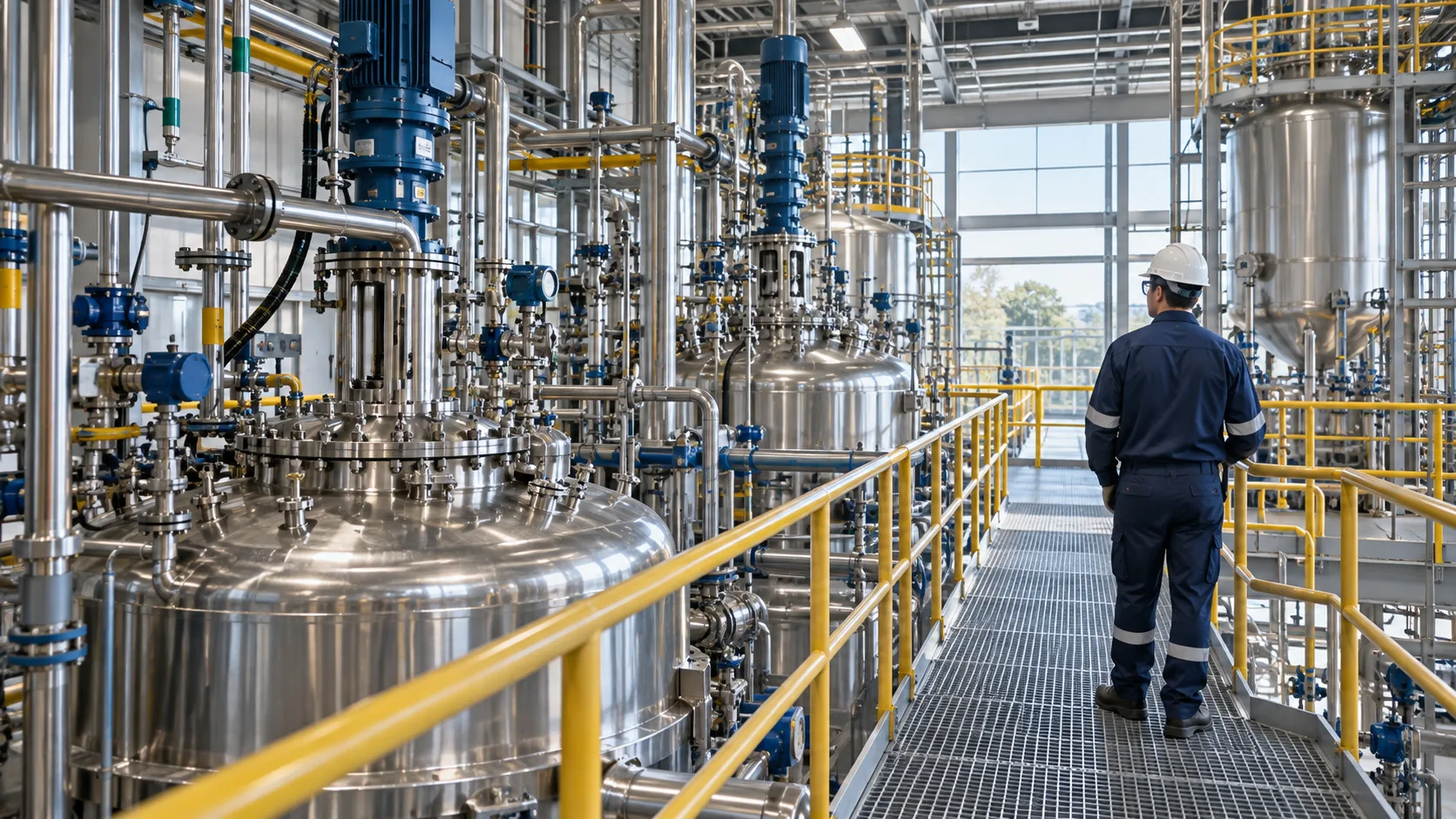
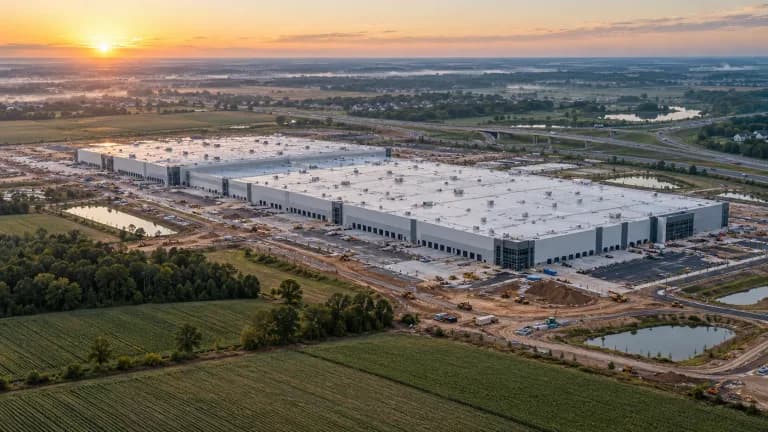
Esterification adds chemical manufacturing to a site’s blending and logistics capabilities. AI-generated editorial illustration of a generic plant.
How a fat becomes a different ingredient
Oleochemistry is the business of using fats and oils as chemical raw materials. Oleon describes fats and oils as molecules built from glycerine and three fatty acid chains. Its manufacturing approach separates basic components, converts or purifies them, and combines them with other molecules to get useful properties. [3]
For a simple picture of esterification, think of a fatty acid reacting with an alcohol to form an ester and water. Oklahoma State University Extension describes that chemistry in its explanation of biodiesel production. Biodiesel is one application of ester chemistry; that example does not mean Conroe’s new unit is a biodiesel plant. Oleon describes this expansion as specialty ester manufacturing. [4, 1]
The important part is that the material has been chemically changed. A vegetable oil at the beginning of the supply chain and an engineered industrial fluid at the end can have a relationship without being interchangeable products. You would no more choose a machine lubricant by its original crop than choose a tire by the appearance of its raw materials.
Why an oilfield customer would care
The word “ester” describes a family of chemicals, rather than one all-purpose liquid. Different formulations suit different work. ExxonMobil, which also supplies industrial esters, lists uses in compressor, turbine, automotive and other lubricants. Its technical information describes esters used alone as base stocks or blended with other fluids. [5]
In practical terms, the chemistry gives formulators choices about how a lubricant behaves. ExxonMobil’s published tests show examples of ester blends improving lubricity and solvency, the ability to dissolve other materials. Those results concern the products and mixtures tested; they are not a performance rating for every ester or for Oleon’s Conroe output. [5]
Oleon’s own drilling portfolio emphasizes friction reduction and equipment life. One product, Well.O MLX, is an ester-based lubricant designed for water-based drilling fluids. It is a concrete example of where this chemistry can go, although the company’s product page does not identify Conroe as that grade’s manufacturing location. [6, 7]

Industrial ingredients are selected for the requirements of the finished formulation. AI-generated editorial illustration of a generic quality laboratory.
For the customer, the useful question is whether an ingredient meets the demands of the finished formulation. The raw material’s agricultural origin is part of the story. Its performance in the intended job is what makes it useful.
Renewable and biodegradable mean different things
Oleon describes the Conroe project as using renewable raw materials and says oleochemical products are often biodegradable. That wording leaves room for an important distinction. Where a material comes from and how it behaves after use are separate questions. [1]
Shell’s lubricant guidance explains biodegradability in terms of microorganisms breaking down a substance under specified test conditions and within a defined time. It treats aquatic toxicity as a separate property. A plant-derived starting material, by itself, does not tell a reader everything about a finished industrial formulation. [8]
That is why a specific product’s technical information matters more than a broad green label. The chemistry, the other ingredients and the intended use all deserve attention. Renewable feedstocks can be valuable without turning every resulting product into the same thing.

Drilling fluids are among the industrial applications for specialty ester chemistry. AI-generated editorial illustration of a generic Texas drilling site.
The local connection
Oleon identifies access to customers, raw materials, transportation and skilled workers as reasons for choosing Conroe. The company says local manufacturing should shorten lead times and strengthen supply reliability. Its stated applications for the new unit include lubricants, drilling fluids and hydraulic fluids. [1]
For those of us who live here, the interesting connection runs between two businesses we might keep in separate mental boxes: agriculture and the oilfield. Fats and vegetable oils can supply chemical building blocks for equipment working in an industry associated with petroleum. Conroe now has another place where that conversion happens.
The name on the gate may be unfamiliar. The work helps explain how much manufacturing takes place between a raw material and the product somebody finally puts to use.
Images are AI-generated editorial illustrations of generic settings, not photographs of Oleon’s facility or employees.
Sources and further reading
1. Oleon — Conroe esterification facility announcement, October 16, 2026
2. Houston Chronicle — Sondra Hernandez’s Conroe plant coverage, October 19, 2026
4. Oklahoma State University Extension — Biodiesel Production Techniques
5. ExxonMobil Product Solutions — Esterex esters and published performance examples
8. Shell — Lubricant biodegradability and ecotoxicity explained