Texas Learned to Drill for Oil. Now It May Drill for the Power Behind AI.
A Houston company is using oilfield drilling techniques to produce steady geothermal electricity for Google and the growing AI data-center industry. The technology is real — but the engineering challenges are too.
A Houston company is using oilfield drilling techniques to produce steady geothermal electricity for Google and the growing AI data-center industry. The technology is real — but the engineering challenges are too.
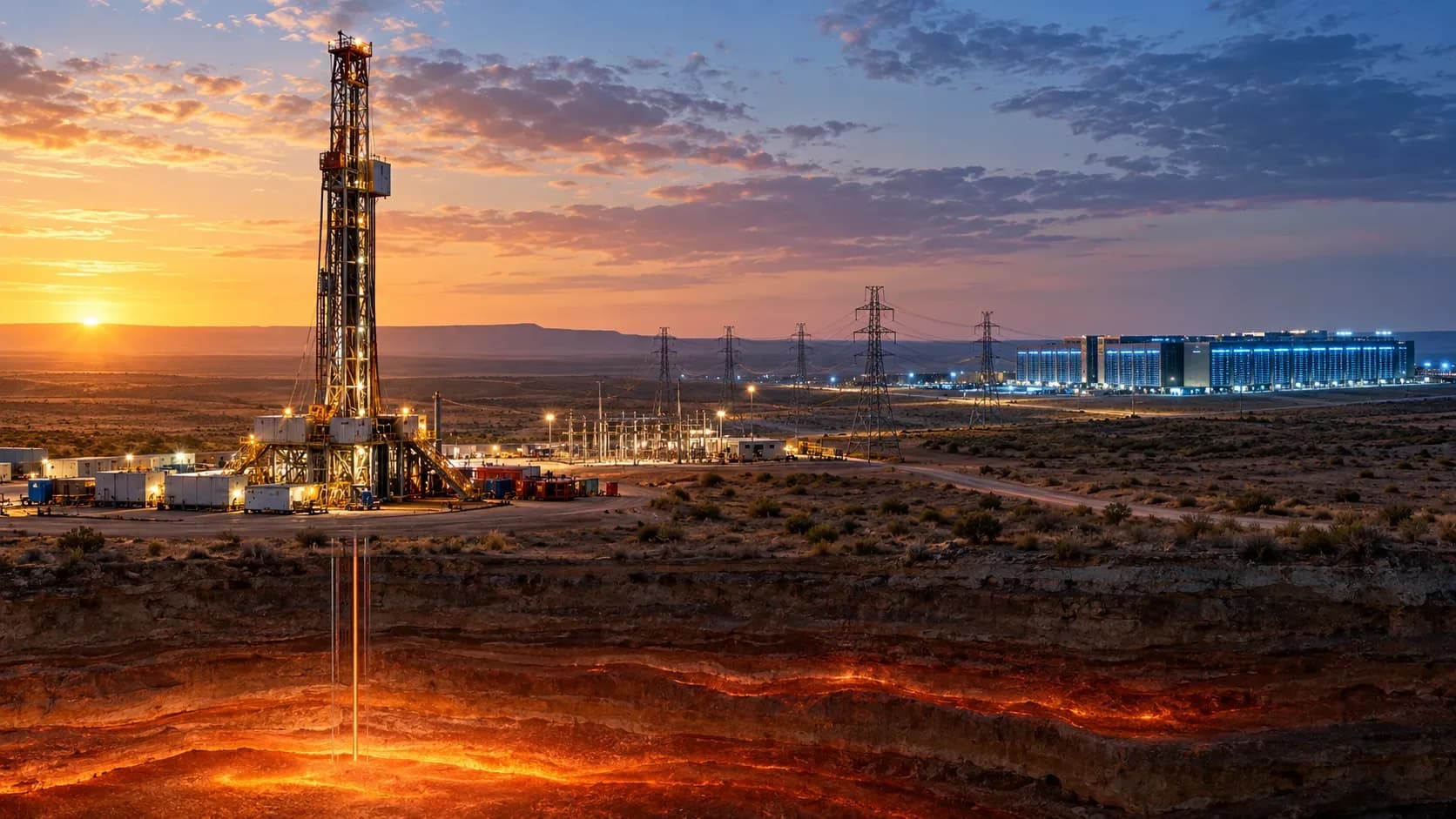
Texas has spent generations learning how to drill deeper, turn wells sideways and understand what is happening thousands of feet below the surface. Those skills helped transform the global oil and gas business. Now some of the same tools are being aimed at something different: the heat already stored beneath our feet.
The immediate project is not in Texas. It is Cape Station in Beaver County, Utah, developed by Houston-based Fervo Energy. But the technology, workforce and drilling knowledge behind it carry unmistakable Texas fingerprints. The project also answers one of the largest questions hanging over artificial intelligence: where will all the electricity come from?
A Working Plant, Not Just a Laboratory
On October 1, 2026, Fervo announced that the first 33-megawatt unit at Cape Station had reached commercial operation. That matters because enhanced geothermal has spent years being described as promising. Cape Station is now producing electricity and earning revenue under a power-purchase agreement.
The first phase consists of three roughly 33-megawatt units for approximately 100 megawatts of total capacity. Fervo has said the remaining two units are expected to reach commercial operation by January 1, 2027. A further 400-megawatt expansion is under construction and targeted for 2028.
Google has signed a 396-megawatt agreement for electricity from Cape Station. That power is intended as a foundation for a potential Google data center in Utah. The Texas connection is the Houston company and the oilfield knowledge being repurposed to make the system work — not a direct flow of geothermal electricity from Utah to Texas data centers.
How Oilfield Tools Reach Underground Heat
Traditional geothermal plants are usually built where underground heat, water and naturally fractured rock occur together close enough to the surface — a geographic constraint that limits where conventional projects can be developed.
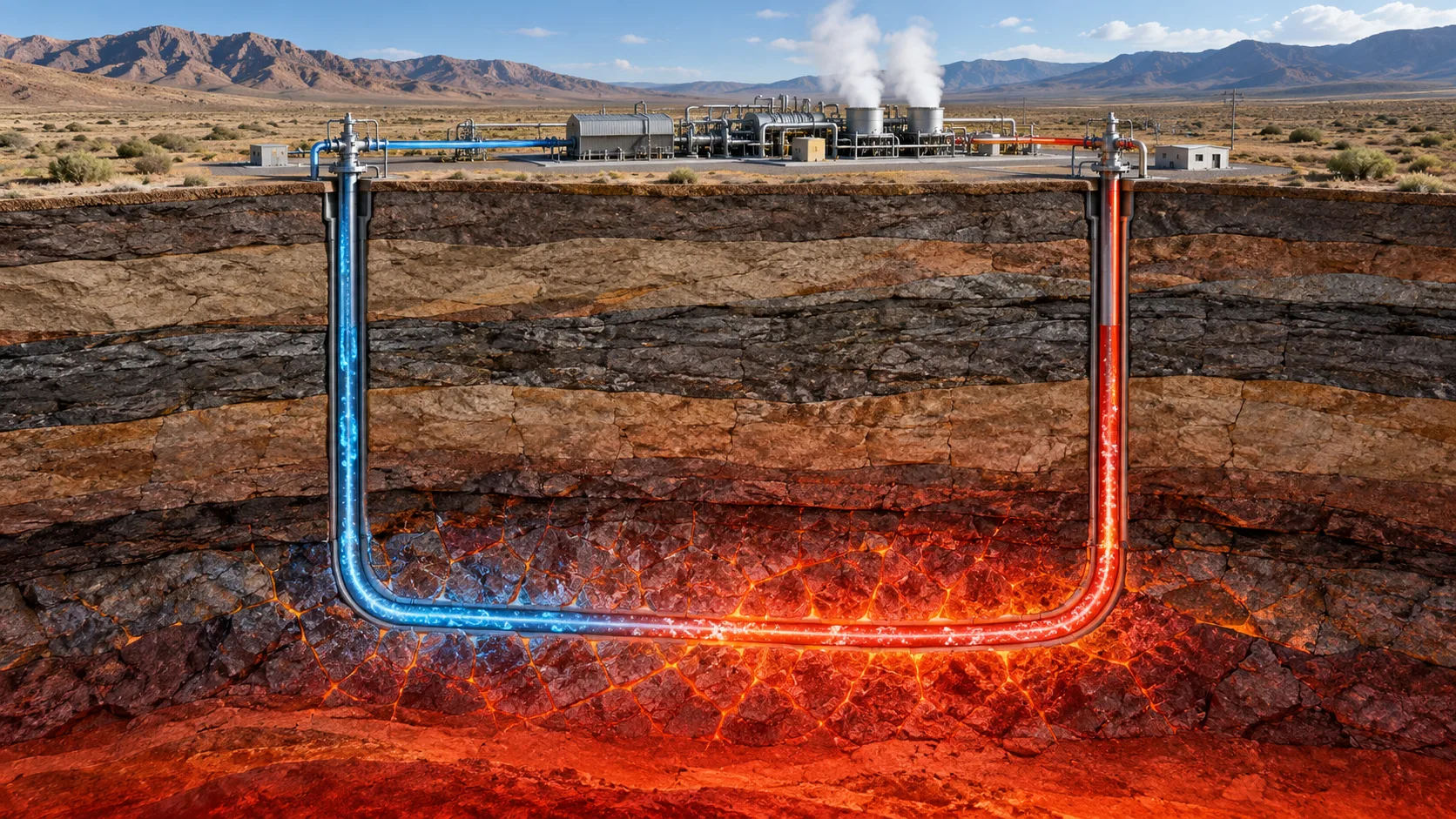
Enhanced geothermal systems try to loosen that restriction. A well is drilled vertically into hot rock and then turned horizontally, much like a modern oil or gas well. Water is injected into one well, moves through engineered pathways in the heated rock and returns through another well at a higher temperature. At the surface, that heat is used to produce electricity before the water is circulated again.
Fervo also uses fiber-optic equipment inside its wells to measure temperature, flow and performance. The combination of directional drilling, horizontal wells, hydraulic stimulation and real-time underground monitoring grew from technologies advanced during the shale boom.
That does not turn every abandoned oil well into a power plant. The rock must be hot enough, wells must be designed for geothermal conditions, and a project still needs water, surface equipment, transmission and customers. But it means an industry that once appeared limited to volcanic regions may eventually work in far more places.
Why AI Companies Care
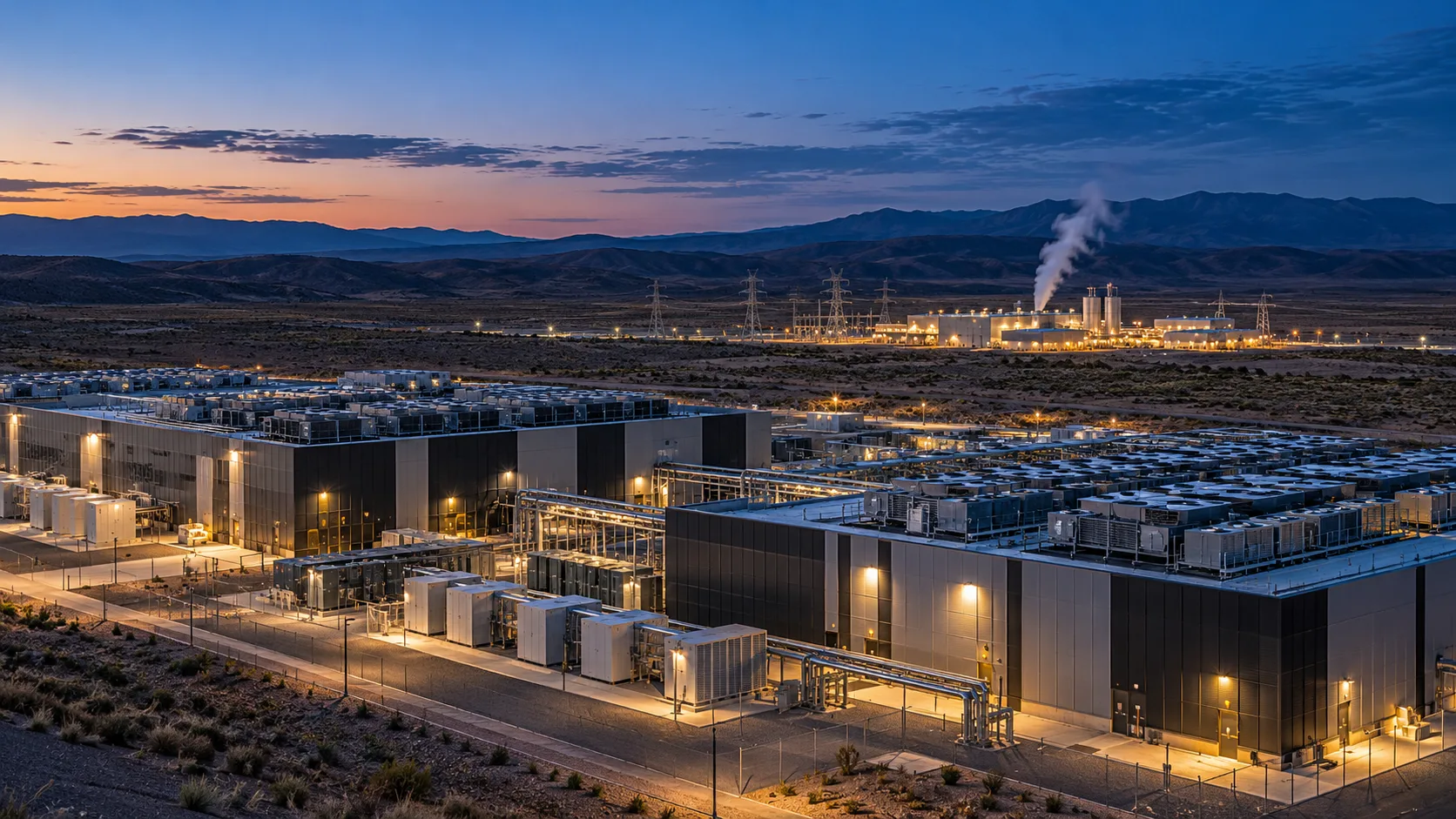
Data centers require enormous amounts of dependable electricity. Wind and solar can provide inexpensive power when conditions cooperate, but servers continue running through darkness, clouds and calm weather. Batteries help bridge gaps, but storing enough electricity for long periods remains expensive.
Geothermal offers a different value: steady generation around the clock. It does not need fuel deliveries and does not depend on the weather. For companies planning large AI facilities, that dependable output can become part of a broader mix that may also include natural gas, nuclear power, solar, wind and storage.
The Google agreement does not prove enhanced geothermal can solve the entire data-center power problem. It does show that a major technology company is willing to commit to hundreds of megawatts from a commercial project rather than a small experiment.
Could This Happen in Texas?
Researchers at the University of Texas and the University of Houston have identified substantial geothermal potential in the state. A presentation to ERCOT described viable Texas heat resources at depths of approximately 6.5 kilometers, or about four miles. That is deep, but it is within territory familiar to the oil and gas industry.
Texas already has drilling companies, subsurface data, engineers, supply chains and workers who understand complicated wells. University of Houston researchers have specifically noted that oil and gas skills and infrastructure could help geothermal become more cost-effective. In other words, Texas may not need to invent an entirely new industry from scratch — it may be able to teach an existing industry to produce a different commodity.
The Catch Beneath the Promise
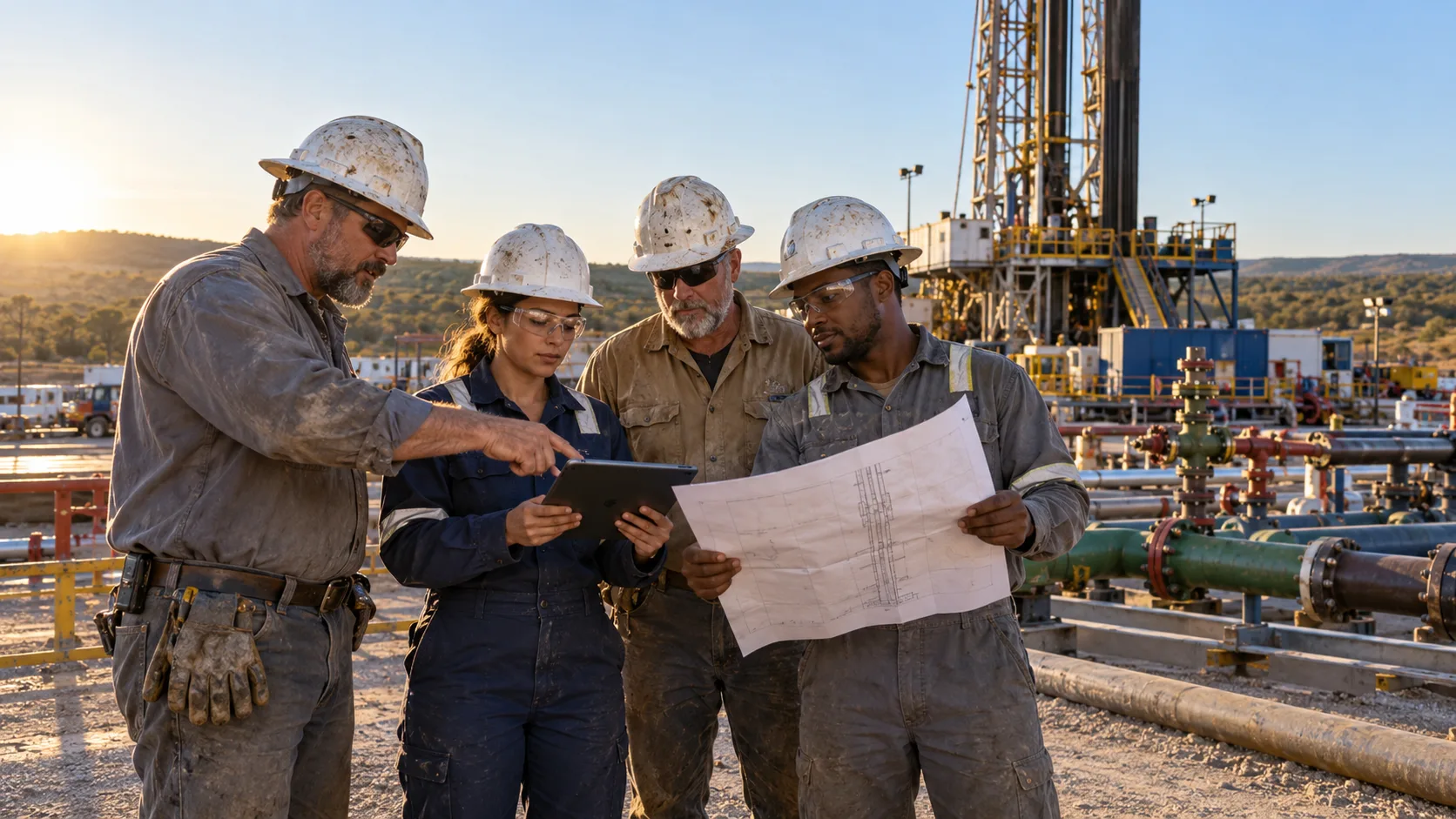
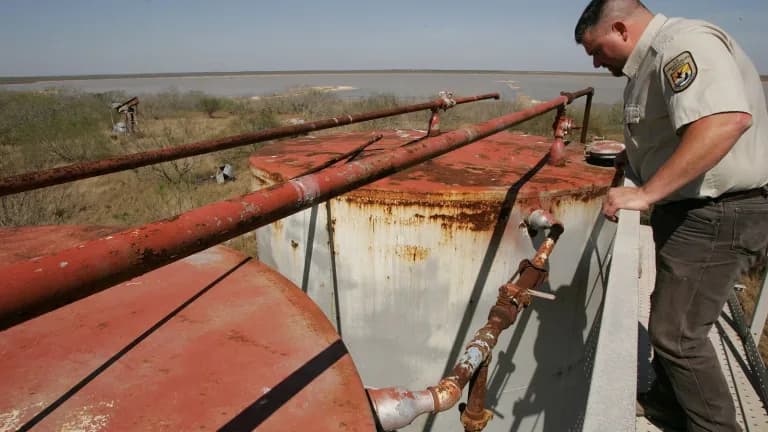
The technology still faces serious questions. Deep wells are expensive — drilling can represent more than half the cost of a geothermal project, and underground conditions are never completely certain until work begins. Cape Station also requires substantial water in a dry region.
Hydraulic stimulation can produce induced seismicity, meaning small earthquakes connected to human activity underground. Fervo monitors seismic activity at Cape Station and established an outside scientific advisory panel in 2026. The company says the project has produced no adverse community effects from induced seismicity, but monitoring and careful siting will remain necessary as projects grow.
There are also ordinary infrastructure questions. A geothermal plant still needs transmission lines, permits, construction crews and long-term buyers. The fact that underground heat is always present does not make the electricity automatic or free.
A New Use for an Old Texas Skill
For years, conversations about the energy transition often sounded as if one workforce would have to disappear so another could take its place. Enhanced geothermal suggests a more practical possibility. Some of the people, equipment and knowledge that powered the oil age may also help power whatever comes next.
AI is creating an enormous new appetite for electricity. Texas already knows how to work miles beneath the ground. If underground heat becomes an important part of the answer, the next energy boom may still begin with a drilling rig. The difference will be what comes back up.
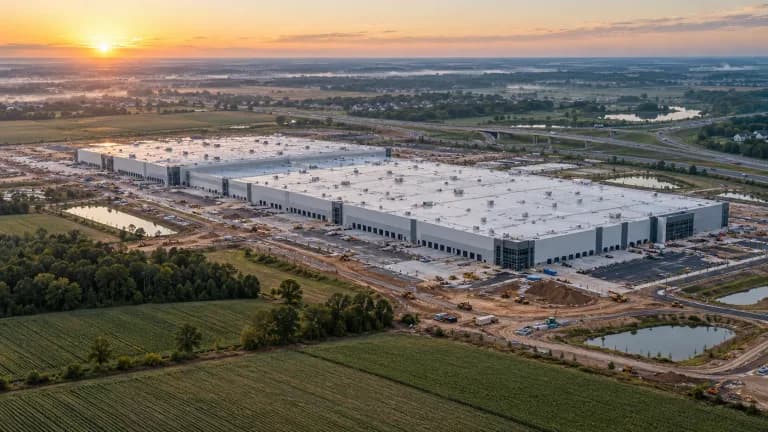
Image disclosure: All four images are AI-generated editorial illustrations and should not be identified as photographs of Fervo Energy, Cape Station or a specific Google facility.
Sources and Further Reading
Fervo Energy — Cape Station commercial operation announcement, October 1, 2026
Fervo Energy — Google’s 396 MW power purchase agreement, September 1, 2026
ERCOT guest presentation — Geothermal Energy and Its Potential in Texas
University of Houston — Advanced geothermal opportunities and Texas oilfield expertise
Fervo Energy — Seismic monitoring, independent technical review and advisory panel, August 24, 2026