

Texas Banned Lab-Grown Meat Until 2027. A Federal Appeals Panel Now Decides Whether the Ban Can Stand
A Fifth Circuit panel heard Wildtype and UPSIDE Foods challenge SB 261, the Texas ban on selling cultivated meat. The ban stays in force while the judges decide.
Texas' ban on selling lab-grown meat is now in the hands of three federal appeals judges, and the ban stays on the books while they decide.
A Fifth Circuit panel heard arguments Wednesday, Nov. 4, in a challenge brought by two California startups, Wildtype and UPSIDE Foods, Courthouse News Service reported. Wildtype makes cultivated salmon. UPSIDE makes cultivated chicken. Both grow animal cells into edible tissue, and both have federal clearance to sell nationwide. The panel, Judges Don Willett, Andrew Oldham and Cory Wilson, took the case under advisement without ruling.
What the law says
The law is short. Senate Bill 261, passed in 2025, defines "cell-cultured protein" as a food product "derived from harvesting animal cells and artificially replicating those cells in a growth medium to produce tissue." It declares that "the offering for sale or sale of cell-cultured protein for human consumption within this state is unlawful and prohibited."
It is also temporary. Both prohibition sections in the enrolled bill expire Sept. 1, 2027. The act took effect Sept. 1, 2025. The bill text shows it passed the Senate 26-4 and the House 99-36, with the Senate concurring in House amendments 27-4.
The law also keeps cell-cultured protein out of the state's legal definitions of meat, poultry, fish and eggs, and it requires any such product to be labeled "cell-cultured," "lab-grown" or a similar term in type at least as large as the surrounding text.
The companies' argument
A lower court refused in January to block the law. The companies appealed, arguing that the ban was written to shield Texas cattle producers from out-of-state competition, which would run afoul of the Constitution's limits on states burdening interstate commerce. They also argue it is preempted by the federal Poultry Products Inspection Act, according to Courthouse News.
"We have our lost revenue, our lost business opportunities, our lost goodwill and our lost time in the market," said Institute for Justice attorney Marco Vasquez Jr., who represents the companies. Vasquez pointed to the bill sponsor's statement that "the goal of this bill is to protect our agriculture industry," and argued that a law's neutral wording is not enough when its purpose and effect is to shut out an entirely out-of-state industry. He also said Texas had produced no evidence of health risks and that federal regulators had already reviewed the companies' safety data.
The state's argument
Texas Assistant Solicitor General Douglass Duncan said the law treats everyone alike. "SB 261 is no different from the law in [another] case that this court upheld that banned the sale of horse meat in Texas," he said, according to Courthouse News. "It treats all in-state and out-of-state companies the same by way of a blanket ban."
Duncan noted that the CEO of an Austin-based cultivated meat company testified against the bill. "If a statute threatens to put an in-state company out of business, it cannot be discriminatory against out-of-state companies," he said.
He also argued the products are not really competing with ranchers' beef and chicken. He cited testimony that UPSIDE's chicken sells for $200 a pound and said the companies' Texas sales were minimal: one restaurant relationship for Wildtype and a single sale to one resident for UPSIDE more than two years ago. Duncan called the two-year sunset a reasonable pause to allow further study.
The judges pressed both sides on whether the record is developed enough for the appeals court to decide the discrimination question itself or whether the case should go back to the trial court.
Why ranchers should pay attention
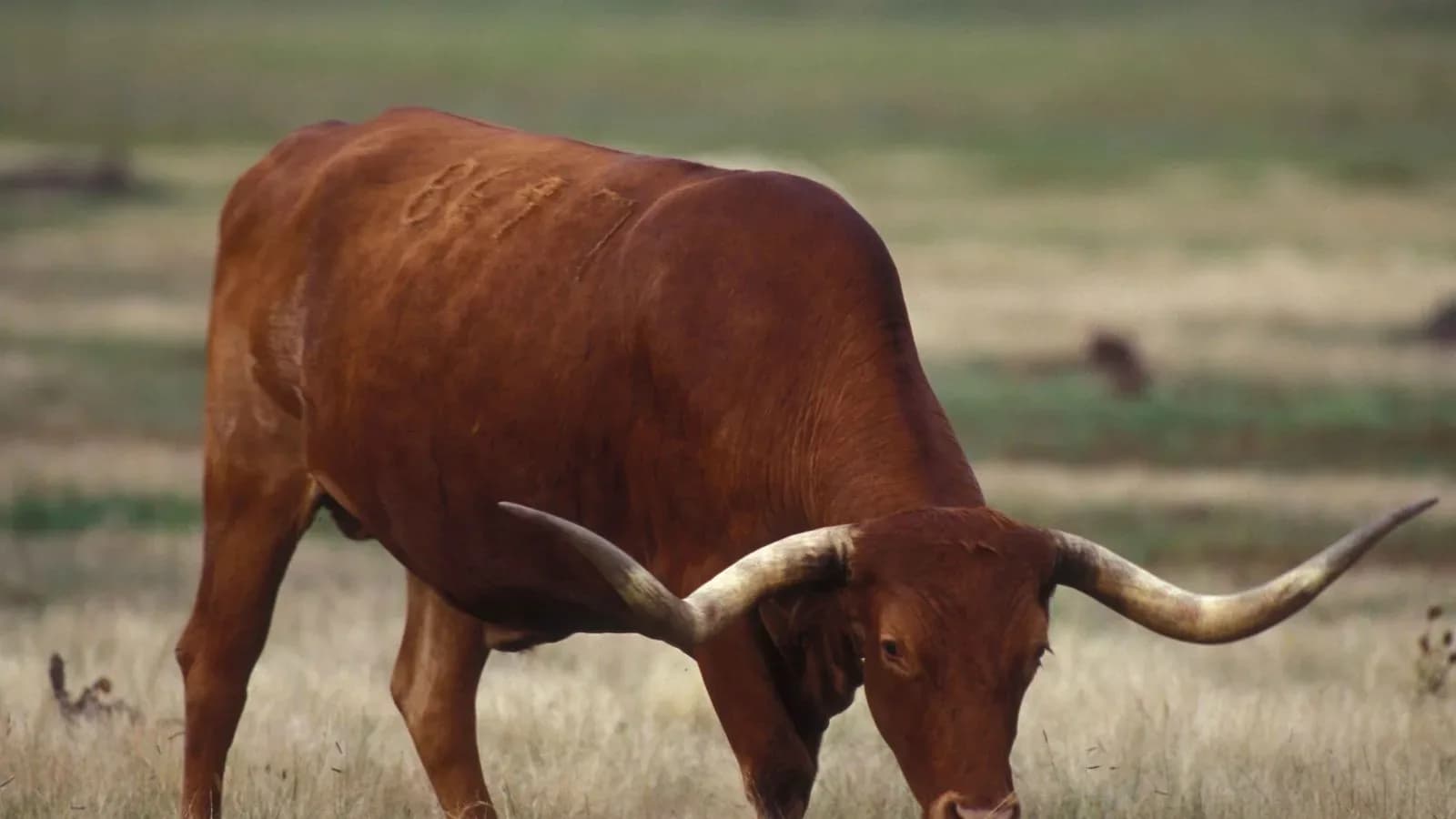
For Texas cattle country, this is more than a lawsuit over $200 chicken. The ruling, whenever it comes, will help decide how far a state can go in drawing a line around what counts as meat on its shelves.
There is a fair case for caution. Food is not a phone app. Texans have every right, through their elected Legislature, to want a longer look at a novel product before it is sold at the grocery store, and the sales prohibition’s expiration date makes that ban temporary. Other definitional and labeling provisions are not covered by those sunset clauses. Stewardship of the land and the herds God gave us is an honorable calling, and so is protecting families from what we do not yet understand.
But honesty cuts both ways. If the real purpose is to protect one industry from competition, conservatives should say so out loud and defend it on those terms, or not do it. Free markets and limited government are not slogans to drop when the competitor is unfamiliar. A temporary ban that is quietly renewed in 2027 without new evidence would deserve hard questions.
The timing adds a wrinkle. The ban expires during the term of the incoming Legislature and a new agriculture commissioner. Whether it is extended, allowed to lapse or rewritten will be up to lawmakers who take office in January. For more on the incoming commissioner, see Clayton Tucker Becomes Texas' First Democratic Agriculture Commissioner Since Jim Hightower.
For now, cultivated salmon and chicken may not be sold in Texas, and the panel has given no date for a decision.
More Business Stories
 Yesterday
Jon Rosenthal Wins a Seat on the Texas Railroad Commission, the First Democrat in 36 Years
 Yesterday
He Learned to Capture the Moment. Then He Had to Figure Out His Next One.
 This Week