

Jon Rosenthal Wins a Seat on the Texas Railroad Commission, the First Democrat in 36 Years
The Houston-area lawmaker beat Bo French after a racist-post backlash. He will still be outvoted 2-1 on most issues, including wastewater injection and orphan wells.
Democrat Jon Rosenthal won a seat on the Texas Railroad Commission on Tuesday, becoming the first Democrat on the three-member oil and gas board since 1990. Republican Bo French conceded before midnight. The Associated Press called the race early Wednesday with Rosenthal ahead, the Texas Tribune reported from Odessa.
The commission does not run railroads. It regulates oil and gas wells, pipelines and related waste across the largest producing state in the country. Rosenthal, a Houston-area state lawmaker, will sit beside two Republican colleagues. On most votes he can be outvoted 2-1. That math matters more than the victory speech.
Texas still depends on orderly production. Families need fuel. Workers need paychecks. Neighbors need clean water and plugged wells. A regulator who ignores any of those duties fails the people who live over the Permian and the Eagle Ford. Proverbs honors honest scales. The commission's job is honest rules, not theater.
How a little-known Democrat got here
Rosenthal began with little money and little name recognition. The race changed after French posted racist remarks about South Asian students at a University of Texas football game. High-profile Republicans, including Karl Rove, turned on French. National attention and money followed Rosenthal. The Tribune reported he raised more than $1 million from donors across the country, something no Democrat in the race had managed before.
Polls from the Texas Politics Project and from Texas Southern University and the University of Houston schools of public affairs showed the race tight even though French had industry backing and Rosenthal did not. French labeled Rosenthal a radical progressive over social issues. At campaign stops, Rosenthal talked wastewater, pollution and electricity costs and rarely answered the social attacks, the Tribune wrote.
"My name is Jon Rosenthal, and I'm about to become your next Railroad Commissioner," he told an election-night crowd. "The people of Texas are sending a message: The politics of hate no longer work." French conceded just before midnight after Rosenthal had declared victory about 10:20 p.m., following statewide Democratic wins that included James Talarico for U.S. Senate and Gina Hinojosa for governor. Dock Line's morning-after statewide roundup covered that broader sweep.
What one Democrat can and cannot change
Rosenthal's platform, as the Tribune summarized it, aims at recurrent polluters, stronger emergency preparedness at natural gas facilities, a first-of-its-kind fee on underground injection of oilfield wastewater, and more public reporting on orphan wells. Those ideas still need two votes on a three-member board, and many of them need statutes from a Legislature that still has a Republican Senate.
The commission inherits a half-billion-dollar budget, the largest in years, the Tribune reported, and a booming market driven in part by demand tied to the Iran war and higher fuel prices. The board must also decide what to do as companies run short of underground space for wastewater they have long injected. That is real geology and real cost, not a slogan.
Democrats now hold the governor's mansion and the attorney general's office, which Dock Line examined in the Nathan Johnson transition. Environmental groups will press Rosenthal to fight. Operators will watch for rule changes that raise costs without clear safety gains. A lone commissioner who grandstands and loses every vote helps neither side. A commissioner who brings facts, forces public debate and wins narrow, lawful fixes can still matter.
What producers and landowners should watch
Watch the wastewater docket. Injection capacity and induced seismicity already shape permitting fights. A fee on commercial injection would need legal footing and two votes. Watch orphan-well inventories and bonding. Taxpayers should not inherit dead wells while operators walk away. Watch gas-plant weatherization after winter storms that have already taught hard lessons about preparedness.
Energy is a trust. Landowners lease minerals. Workers risk their lives on locations. Cities drink from aquifers near production. The Railroad Commission exists to keep that trust under law. Rosenthal's win breaks a 36-year partisan lock. It does not rewrite geology, markets or a 2-1 board. Texans should judge him by plugged wells, honest permits and clear rules, not by the party label next to his name.
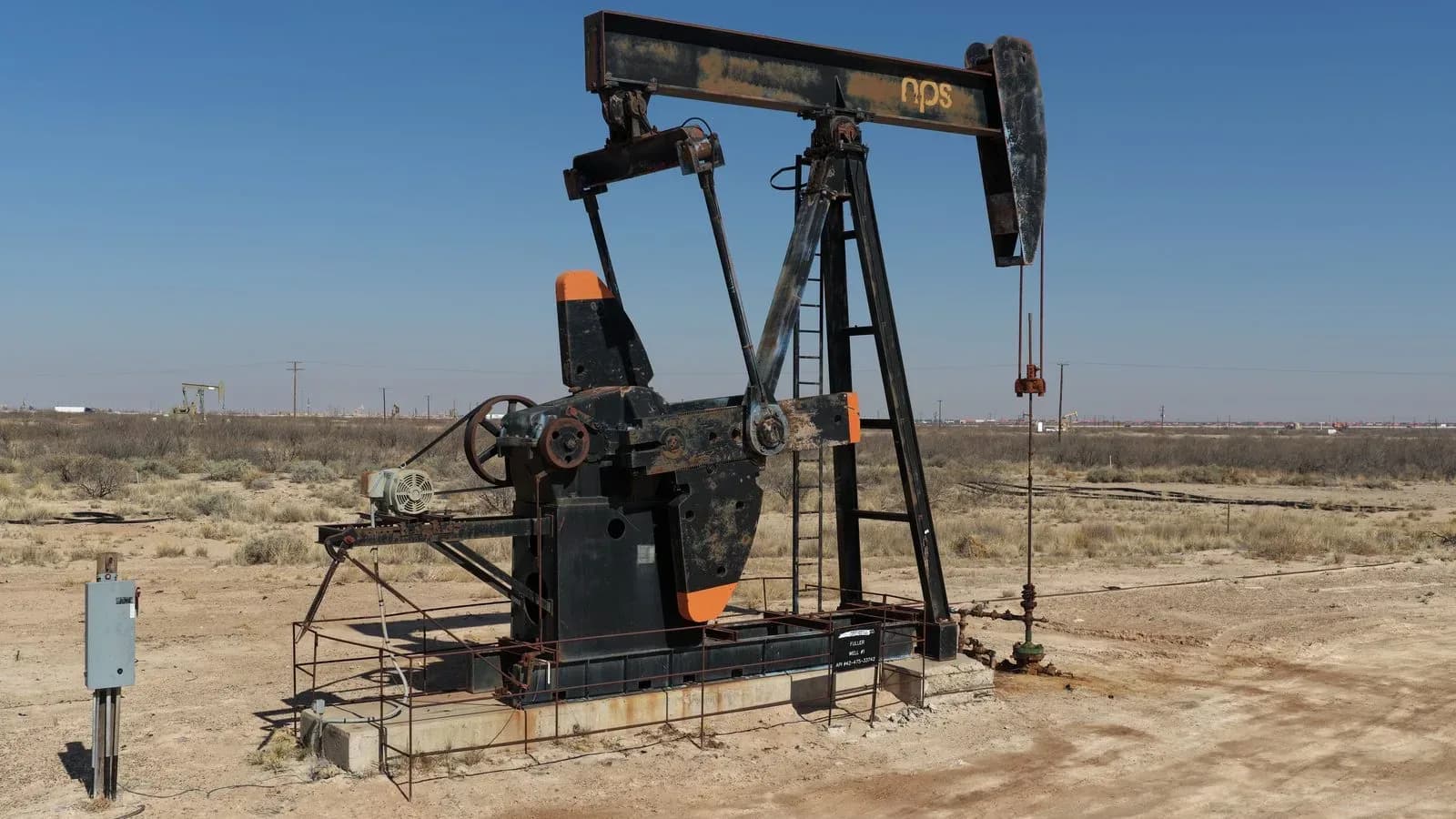
Hero photo: A pumpjack in the Permian Basin. The Railroad Commission regulates Texas oil and gas. File photo. Photo: Quintin Soloviev / Wikimedia Commons, CC BY 4.0.
More Business Stories
 Today
He Learned to Capture the Moment. Then He Had to Figure Out His Next One.
 Yesterday
Clayton Tucker Becomes Texas' First Democratic Agriculture Commissioner Since Jim Hightower. Here Is What Farmers and Ranchers Should Know
 Yesterday