

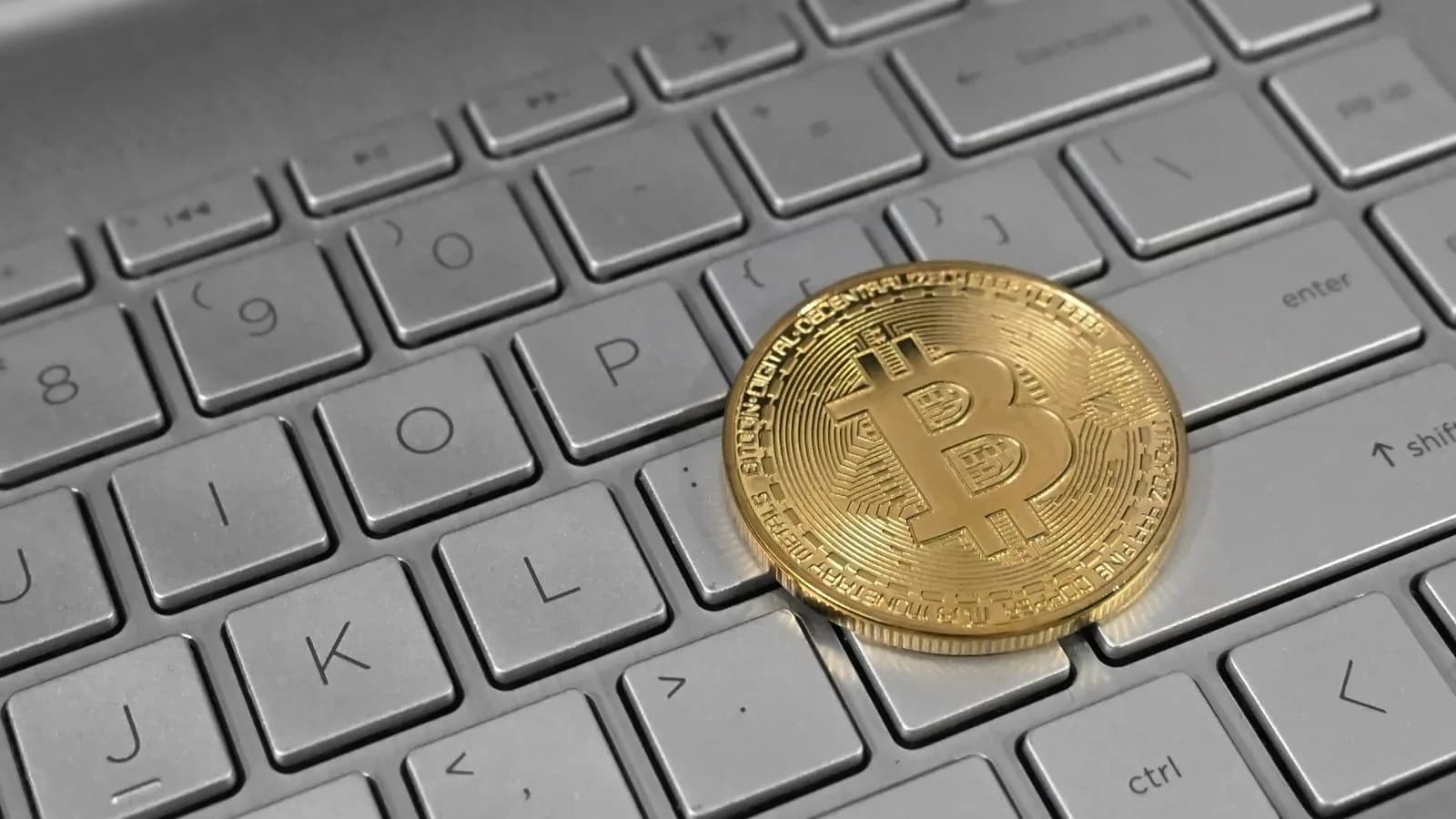
North Korea Is Blamed for a $6.3 Billion Binance Heist. Thieves Still Break Through and Steal.
Hackers took about $6.3 billion from Binance, the world's biggest crypto exchange. TRM Labs blames North Korea with high confidence. Binance froze about $3 billion and pledged to cover all losses.
The facts come first below. My opinion follows in the section marked as opinion.
Hackers stole an estimated $6.3 billion from Binance, the world's biggest cryptocurrency exchange, this week, and private investigators say North Korea's government hackers are the likely culprits. Crypto industry analysts call it the largest cyber heist ever, CBS News reported.
Blockchain intelligence firm TRM Labs attributed the attack to TraderTraitor, which it described as North Korea's elite hacking unit. "We make this judgment with high confidence," TRM said. "An attacker moved approximately USD 6.36 billion out of Binance wallets on ten blockchains, most of it in about 20 minutes," the firm said, according to CBS News. Chainalysis co-founder and CEO Jonathan Levin also said the hack was "likely done" by TraderTraitor.
What the government has said
The FBI has not publicly named a culprit. "The FBI is aware of the incident and is engaged with relevant public and private partners to understand the scope of the activity, evaluate potential impacts and coordinate appropriate investigative steps," the bureau told Nextgov/FCW, which noted that the bureau did not attribute the intrusions to North Korea. The same report said the U.S. intelligence community assessed earlier this year that Pyongyang nets at least $1 billion a year from cryptocurrency heists and other financial crimes to fund its weapons programs.
The FBI previously blamed TraderTraitor for the $1.5 billion theft from the exchange Bybit in February 2025, CNBC reported. TRM Labs said preparations for the Binance attack began at least 36 hours before the theft.
What happens to customers
Binance has pledged to cover all customer losses. On Friday it said deposits were unaffected, while withdrawals were suspended and expected to resume in a day or two. Working with blockchain partners, the company froze roughly $3 billion of the affected assets, CBS News reported. Binance said an initial investigation suggested a compromised laptop may have been involved, and a later probe found additional "points of breach."
Freezing is not the same as getting the money back. "A freeze stops the money from moving, and recovery follows through legal process," Ari Redbord of TRM Labs, a former federal prosecutor, told CNBC. Stablecoins can be frozen and reissued by the companies that issue them, but bitcoin and ether have no issuer and must be traced as they move.
Sean Farrell of Fundstrat Global Advisors told CNBC the hack does not appear to threaten Binance's survival. "The most important takeaway for markets is that this does not currently appear to create meaningful solvency risk for Binance," he said. He estimated that Binance's emergency fund, worth about $1.2 billion, could cover roughly a third of the remaining losses if frozen stablecoins are returned, with the rest coming from the exchange's own money. Bitcoin traded below $78,000 on Friday, CNBC reported.
Binance founder Changpeng Zhao pleaded guilty in 2023 to a felony linked to failing to prevent money laundering on the platform and stepped down as CEO. President Trump pardoned him in 2025. Zhao posted that "User funds are safe!" while acknowledging the theft "does look like a hack on Binance," CBS News reported.
Dock Line recently wrote about another business story built on very large numbers: Anthropic Files for IPO: $16.3B Revenue, $80.7B Loss.
Opinion: A hostile regime just robbed the digital vault, and moth and rust still win
This is not just a story about a crypto company. If the private investigators are right, a hostile nuclear regime pulled off the biggest robbery in history in about 20 minutes, and the money will help pay for weapons pointed at our allies and at us. That should concern every American, whether or not they have ever owned a bitcoin.
Washington needs to treat this as a national security matter. The FBI should finish its work and tell the public who did it. Treasury and our allies should go after every exchange, mixer and middleman that helps Pyongyang turn stolen tokens into cash. A regime that cannot feed its own people should not be able to fund missiles with theft.
There is also a hard question about the pardon. Binance's founder admitted to a crime tied to failing to stop money laundering on the same platform. Pardoning him was a lawful use of presidential power, but it sent a message that the rules for this industry are negotiable. When a company's safeguards fail on this scale, Americans have a right to ask whether that message helped.
And there is a lesson for ordinary families. Jesus said it plainly: "Lay not up for yourselves treasures upon earth, where moth and rust doth corrupt, and where thieves break through and steal." That does not mean money is evil or that saving is wrong. It means no vault is safe enough to trust with your soul, and no investment, digital or otherwise, is worth more than you can afford to lose.
Binance says customers will be made whole, and I hope they are. But if your retirement or your rent is sitting in an account that can be emptied in 20 minutes by a laptop on the other side of the world, this is a good week to reconsider. Be wise, be diversified, and keep your treasure where thieves cannot reach it.
More Business Stories
 Yesterday
Rick Perry Falls Short in a Fermi Board Vote. The Amarillo Data Center Company Blames Its Ousted Co-Founder
 Yesterday
The Next Moon Landing Starts at a Gas Station That Has Never Been Built
 Yesterday