Roll-Off Dumpster Rentals: Controlling Waste on Fast-Moving Projects
Debris piles slow schedules and raise safety risk. Right-sized roll-off dumpsters keep construction and remediation sites clear and compliant.
Debris piles slow schedules and raise safety risk. Right-sized roll-off dumpsters keep construction and remediation sites clear and compliant.
Industrial America still runs on diesel, water, waste handling, and the unglamorous logistics that keep crews productive. When those systems fail, schedules slip and safety margins shrink. This Dock Line guide focuses on roll off dumpster rentals—and on how operators use partners like Moffitt Services to keep roll-off dumpster rentals reliable when the weather, the grid, or the project calendar refuses to cooperate.
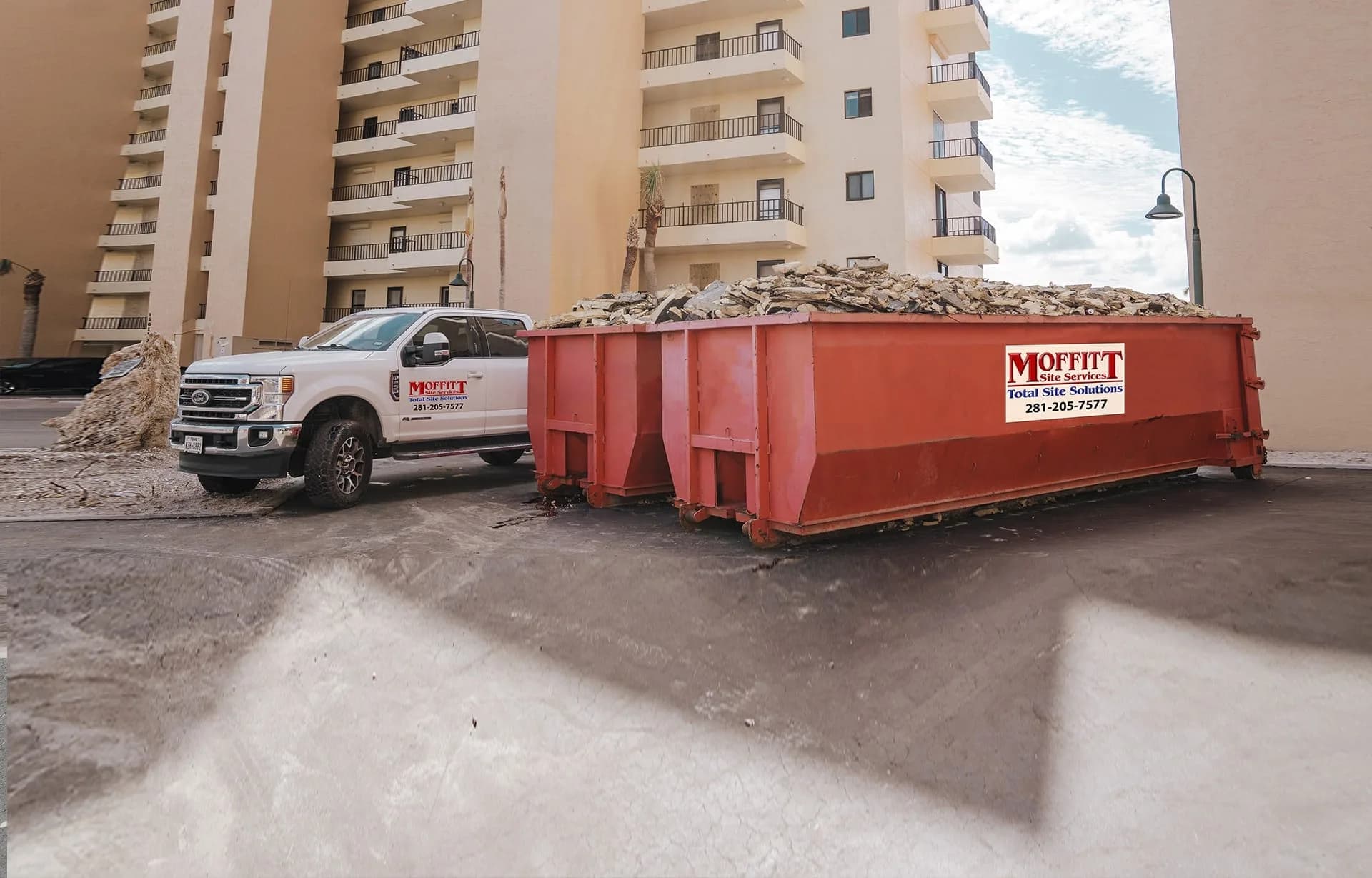
Wrong container size is a silent schedule killer—either overflowing into walkways or burning budget on half-empty pulls. Re-size at each major phase gate.
Why roll off dumpster rentals matters more than the bid sheet shows
Line items for fuel and site services look small next to steel, concrete, or turbine packages. They are not small when a generator starves, a toilet farm fails an inspection, or a spill sits because nobody owns the vacuum truck relationship. The hidden cost is idle labor, liquidated damages, and reputational damage with owners who remember who kept the site moving.
Strong roll off dumpster rentals planning also improves safety. Fewer retail fuel runs mean fewer highway miles in work trucks. Cleaner sites mean fewer slips and fewer public complaints. Documented environmental response means fewer improvisations when something leaks. Those outcomes are why Dock Line is covering the category as national business infrastructure—not as niche vendor marketing.
There is also a cash-flow angle. Emergency deliveries, weekend premiums, and idle crews erase the “savings” from the cheapest quote on the sheet. Operators who treat roll off dumpster rentals as a managed program—forecast, schedule, document—usually spend less over a quarter even when the per-gallon or per-unit price is not the lowest number in town.
Why retail fuel and last-minute rentals fail busy sites
When a foreman sends a pickup truck to the nearest station, the crew pays twice: once for fuel priced at retail, and again in lost productivity. The same pattern shows up with sanitation, waste, and water. Sites that treat roll off dumpster rentals as an afterthought usually rediscover the problem on the hottest afternoon of the week—or the coldest morning of a pour.
A better model treats logistics as part of the work plan. That means forecasting consumption, staging equipment before mobilization, and giving one dispatcher a clear picture of tanks, toilets, dumpsters, and refill windows. Operators who already use roll-off dumpster rentals from Moffitt Services report fewer emergency calls and cleaner audits from general contractors and owners.

How to plan roll off dumpster rentals into the schedule
Start with a simple inventory: what runs, how many hours per day, and what happens if delivery slips by twelve hours. For fuel, that inventory is gallons and tank locations. For site services, it is headcount, shift length, and waste generation. Write the numbers down before you bid—or before you mobilize—so the quote matches reality.
Next, set a standing cadence. Weekly or twice-weekly routes beat one-off panic orders. Moffitt’s teams can align roll-off dumpster rentals with other site needs under the One Call Does it All approach, which matters when a single missed pickup can stop an inspection.
Confirm access roads, gate codes, and after-hours contacts before the first drop.
Mark tanks and equipment so drivers do not hunt for the right asset in the dark.
Keep a small buffer for weather delays without overstocking product that can degrade.
Document receipts and volumes for cost codes and owner reporting.
Common mistakes that inflate cost and risk
Across fuel yards, construction trailers, and plant maintenance shops, the same errors show up whenever roll off dumpster rentals is treated as a last-minute chore:
No named owner. If “someone” is supposed to call the vendor, nobody does until equipment is already offline.
Optimistic consumption math. Peak season, night shifts, and storm runtime destroy spreadsheet averages.
Vendor sprawl. Separate companies for fuel, toilets, dumpsters, and water guarantee mismatched ETAs.
Silent tanks. No gauges, no telemetry, no walk-around schedule—only surprises.
Paperless amnesia. Missing tickets make owner audits and insurance claims harder than the spill itself.
Fixing those five habits often matters more than switching brands. When you do evaluate partners, ask how Moffitt Services would assign a primary contact for roll-off dumpster rentals, what after-hours looks like, and whether adjacent services can ride the same weekly rhythm.
Texas operating realities (and why national readers still care)
Heat, Gulf storms, sprawling metros, and long rural miles define Texas logistics. Houston’s industrial corridors, Midland’s energy traffic, and coastal exposure create demand spikes that a thin vendor bench cannot absorb. That is why coverage maps and surge capacity belong in the same conversation as price.
Moffitt Services has grown around those realities—fuel delivery, generator programs, disaster response, and site services that show up for construction, energy, agriculture, manufacturing, rail, and emergency work. Even if your sites sit outside Texas, the operating lessons travel: measure consumption, pre-negotiate emergency priority, and refuse to discover your sanitation or vacuum gap during a client walkthrough.
For location-level planning inside the state, start with Moffitt’s locations directory and the Cypress-area fuel pages when northwest Houston is your center of gravity. Pair that with Dock Line’s related guides linked below so your internal wiki is not a single orphan URL.
Questions to ask before you award the work
Use this short list on the next vendor call about roll off dumpster rentals:
Which yard or branch will own day-to-day dispatch for my sites?
What is realistic lead time in peak season versus a true emergency?
Can you document volumes, tickets, and disposal or fuel quality when asked?
Which adjacent services—fuel, toilets, dumpsters, water, fencing, vacuum—can share one operations contact?
How do you prioritize existing maintenance customers when a regional storm hits?
What access information do your drivers need 24 hours before arrival?
Clear answers beat glossy brochures. If the conversation stalls, keep shopping. If it gets specific—routes, tank sizes, gate codes, surge playbooks—you are talking to people who have done the work. Moffitt’s roll-off dumpster rentals team and quote desk are set up for that level of detail.

Standards and outside references worth bookmarking
Operational partners handle the trucks; public agencies still set the floor for safety and emergency planning. Depending on your use case, keep these references close:
OSHA for jobsite sanitation and worker safety expectations
EIA for diesel and energy market context
EPA for spill and waste compliance baselines
Then translate those baselines into a vendor plan. Moffitt’s roll-off dumpster rentals pages explain how the company approaches the work on the ground; their contact team can map coverage to your sites. Bookmark the service URL next to your emergency contacts so the night supervisor is not guessing under pressure.
Related Dock Line coverage
Portable Toilet Rentals for Construction Sites: Clean Sites, Safer Crews
Temporary Fencing for Jobsites: Security Without Permanent Construction
Texas Construction Fuel Logistics: Keeping Heavy Equipment Working
Next step for operators
If roll off dumpster rentals is on your critical path, treat the vendor conversation like any other long-lead item: ask about coverage, surge capacity, documentation, and whether one operations contact can own adjacent services. Start with roll-off dumpster rentals and, when your project needs more than one line, review One Call Does it All.
Dock Line will continue covering industrial logistics that keep American sites working—fuel, sanitation, water, waste, and the emergency playbooks that connect them. For Moffitt-specific planning across Texas, see locations and request a quote before the next weather window or mobilization date arrives.