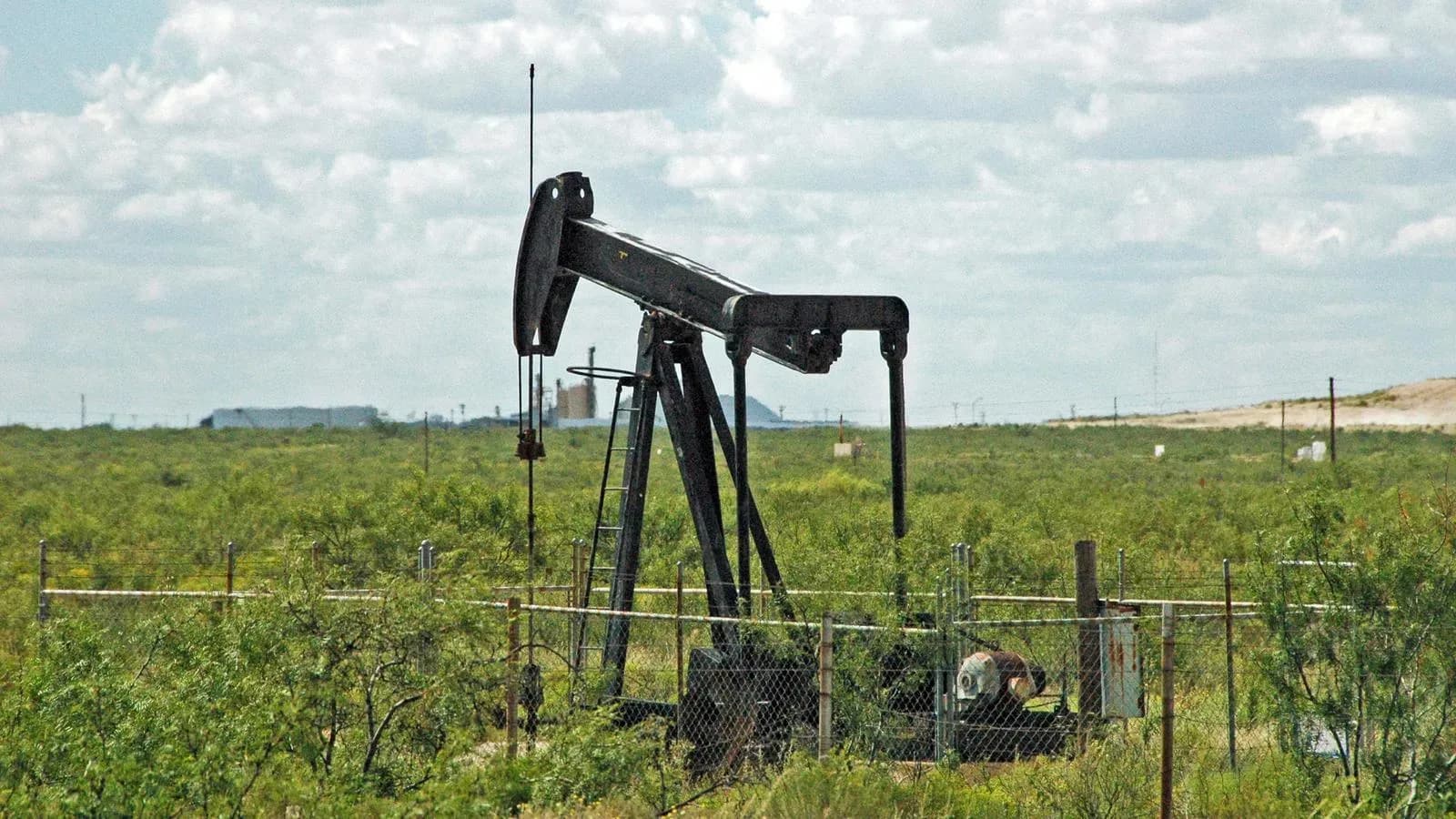
RRC Issued 816 Original Drilling Permits in October, Up From 759 in September
The Railroad Commission issued 816 original drilling permits in October, including 742 to drill new oil or gas wells, up from 759 original permits in September, official monthly reports show.
The Railroad Commission of Texas issued 816 original drilling permits in October, up from 759 in September, according to the commission’s Nov. 5 monthly report and the September report published Oct. 12.
Of the October total, 742 permits were to drill new oil or gas wells, 12 were to re-enter plugged wellbores, 60 were for recompletion and 2 were reclassifications. In September, those figures were 684 new oil or gas wells, 7 re-entries, 1 field transfer, 63 recompletions and 4 reclassifications. Original permits rose by 57, and permits to drill new holes rose by 58. The September district table prints a statewide new-hole total of 685, but the 12 district rows add to 684, matching the narrative count used here. The October report is a count of permits issued and completions processed, not a production report and not a forecast.
The commission also reported the types of those original October permits: 143 oil, 71 gas, 532 oil and gas, 39 injection, 9 service and 22 other. In September the mix was 120 oil, 66 gas, 541 oil and gas, 11 injection, 4 service and 17 other. Injection permits rose from 11 to 39. The reports do not explain that increase.
A drilling permit is permission to drill, re-enter or recomplete a well. It is not a count of barrels produced, and it is not the same as a well completion. Completions are processed separately. In October, commission staff processed 869 oil completions, 359 gas completions and 68 injection completions. In September they processed 961 oil, 280 gas and 95 injection completions. Oil and injection completions ran lower than the month before; gas completions ran higher. The reports do not give a reason for the shift.
Midland Still Led the State
Each monthly report includes a table of permits to drill new oil or gas holes, and of new oil and new gas completions, by Railroad Commission district. In October, the Midland district accounted for 345 of the 742 statewide new-hole permits, nearly half the total. The San Angelo area was next with 125, followed by the San Antonio area with 67, the Refugio area with 55 and East Texas with 54. The Lubbock area had 30, North Texas 25, Southeast Texas 19, West Central Texas 7, Deep South Texas 7, the Panhandle 6 and East Central Texas 2.
In September, Midland already led with 323 new-hole permits, and San Angelo had 69. Midland’s new-hole total rose by 22 in October; San Angelo’s rose by 56, the larger jump of the two. East Texas, a gas-weighted district in the October table, had 54 new-hole permits, 2 new oil completions and 53 new gas completions, after 43 new-hole permits, no new oil completions and 26 new gas completions in September.
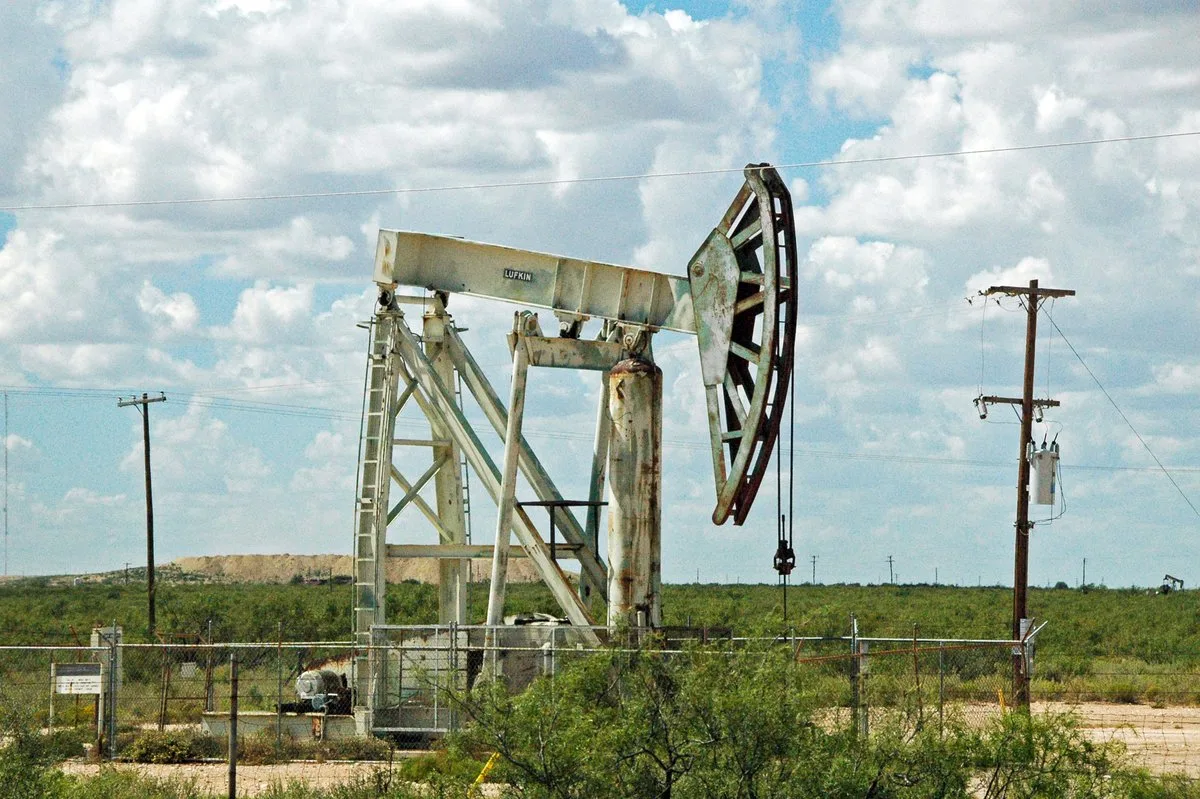
Another oil well near the Odessa Meteorite Crater in Ector County, photographed Aug. 27, 2007. File photo; this is a producing pumpjack, not a drilling rig, and is not from the October permit list. Photo: James St. John / Wikimedia Commons, CC BY 2.0.
The same tables also track new oil and new gas completions. Statewide, the October table lists 448 new oil completions and 178 new gas completions, compared with 564 new oil and 132 new gas in September. In the Midland district, the October table lists 197 new oil completions and 48 new gas completions, after 319 new oil and 33 new gas in September. Those table figures are labeled as new oil and new gas completions and are lower than the 869 oil and 359 gas completions the October narrative says staff processed. The reports do not spell out how those two counts relate, and this article does not treat them as the same number.
The October release also points readers to a longer monthly drilling, completion and plugging summary on the commission’s website. This article is based on the two official monthly news releases, not on that longer summary. What the newly permitted wells ultimately produce will show up in later production statistics, not in this permit count.