The Fed Is Expected to Hold Rates This Week as Inflation Runs Hot. Honest Money Should Not Wait on an Election.
The Federal Reserve is widely expected to hold rates at 3.75% to 4% on Oct. 28, with a December increase still likely as inflation runs hot.
The facts come first below. My opinion follows in the section marked as opinion.
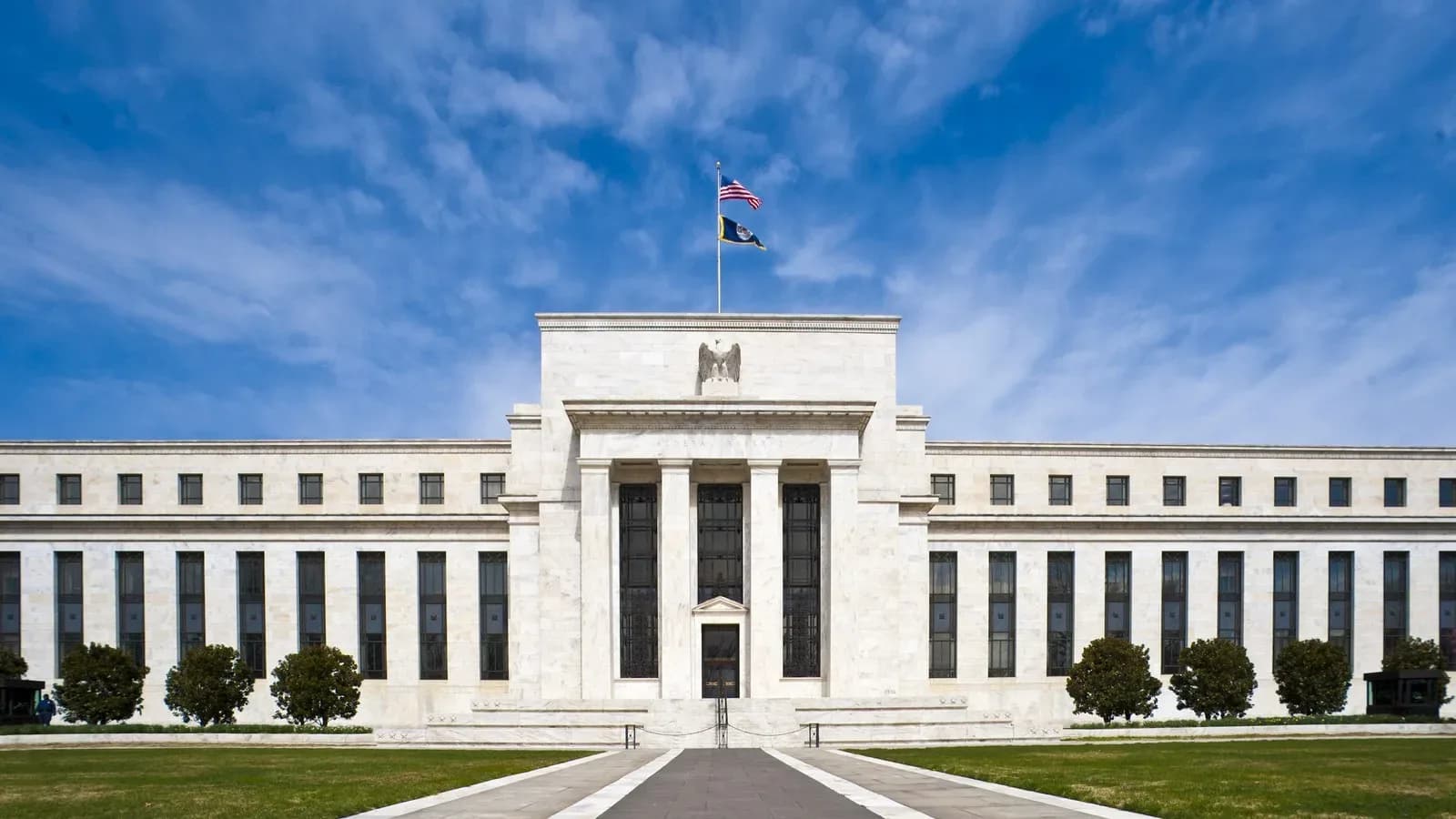
The Federal Reserve meets Tuesday and Wednesday with inflation running hotter, and the central bank's decision will come just six days before the midterm elections. The Fed's policy committee will hold a two-day meeting ending Oct. 28, with its decision due at 2 p.m. Eastern and a press conference after, according to the Fed's calendar.
Markets widely expect the Fed to hold its benchmark rate in its current range of 3.75% to 4%. Traders are pricing in nearly 90% odds of a hold this week but 70% odds of a quarter-point increase in December, Yahoo Finance reported. The accounting firm KPMG also expects a hold this week and another increase in December, its economists wrote.
Why rates are going up, not down
The Fed raised rates in September for the first time in more than three years. Minutes from that meeting showed most officials thought another increase would likely be appropriate by year-end, Yahoo Finance reported. In September, the Consumer Price Index rose 3.7% from a year earlier.
KPMG said energy costs are a big part of the problem. It pointed to diesel costs making their way into consumer prices and to damage to refineries tied to the conflict in the Middle East. It also said firms and households are "beginning to expect new price shocks before the last one retreats," the firm wrote. Its economists also flagged rising health care and service costs.
A divided committee
Fed officials disagree about how fast to move. Chairman Kevin Warsh has built support for a pause among the Fed's senior leaders, and three voting members who dissented in favor of a hike in July could dissent again, KPMG wrote. It named Dallas Fed President Lorie Logan as the most likely to dissent.
Some economists think the election is part of the calculation. "The fundamentals call for raising the rate," former International Monetary Fund chief economist Ken Rogoff told Yahoo Finance. "If you didn't have an election, they should hike." Former Kansas City Fed President Esther George acknowledged the optics of raising rates just before an election but disputed that the timing is a factor. Letting it weigh on the decision "certainly wouldn't be consistent with an independent central bank that is looking at the data and making a judgment about a forecast," she said.
Former Fed Vice Chair Alan Blinder said there is a case for holding. "What there is, is inflation that's stubbornly too high," he told Yahoo Finance. "The trend in inflation looks to me quite flat."
More data arrives Thursday, when the government reports third-quarter economic growth and the September personal consumption expenditures price index, the Fed's preferred inflation gauge, according to Newsquawk's weekly calendar.
Opinion: Honest money should not wait on an election
Inflation is a tax no one voted for. It eats the savings of retirees, the paychecks of working families and the budget of every household that buys groceries and fills a tank. When prices rise 3.7% in a year, a family's dollar buys less, whether Congress passes a tax or not. Higher interest rates hurt too, especially for home buyers and small businesses. But letting inflation run hurts more people, and for longer.
Scripture asks for honest measures: "Ye shall do no unrighteousness in judgment, in meteyard, in weight, or in measure." A dollar is a measure. When its value keeps shrinking, the people hurt most are the ones with the least room in their budgets.
Holding steady this week may be the right call. Blinder makes a fair point that one month of data is not a trend, and Warsh and his colleagues deserve credit for raising rates in September when it was not popular. Waiting for more information is not cowardice.
But Esther George is right that the calendar should not decide. If the Fed's own minutes say another increase is likely appropriate, it should act on the data in December, whoever wins in November, and it should say so plainly this week. Families planning their budgets, like airlines planning around fuel (see American Airlines Expects 2026 Loss Despite Record Revenue), deserve a straight answer about where prices and rates are headed.