Dublin, Texas: Railroad Town, Streetcars and Ben Hogan's Hometown
From a 1854 founding and a railroad move to streetcars, Proctor Reservoir and Ben Hogan, here is how Dublin grew in Erath County.
Dublin sits on U.S. highways 67 and 377 in southwest Erath County, a small town that once ran streetcars, bottled soft drinks and sent a future golf legend into the world.
According to the Handbook of Texas, Dublin was founded in 1854 by A. H. Dobkins and named in 1860. The entry lists three common explanations for the name: the warning cry "Double In" during Indian raids, the capital of Ireland, or the double-log cabins used by early settlers. Growth picked up in 1874 when the town got stagecoach service and a post office.
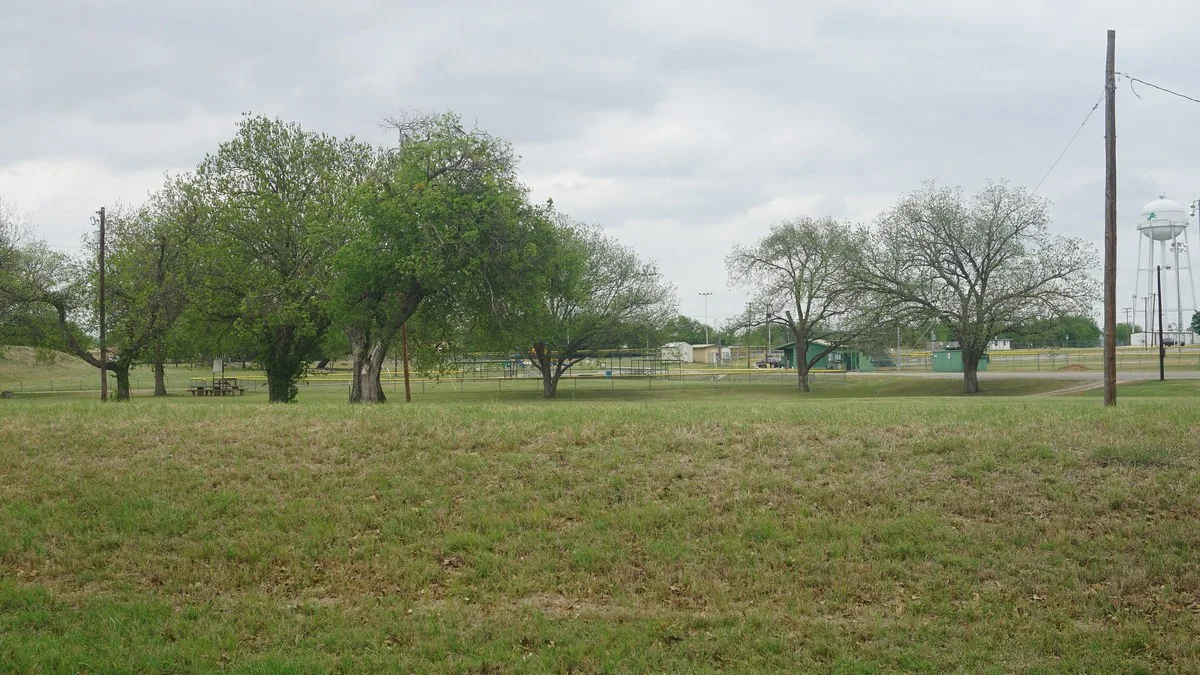
Dublin City Park, April 2022. Photo: Michael Barera / Wikimedia Commons, CC BY-SA 4.0.
Railroad town
In 1881 the Texas Central Railroad was built through to Mount Airy, a few miles from Dublin. J. D. Bishop laid out a townsite on the line four miles south of Mount Airy. Residents moved from old Dublin to the new site. Within a year the new Dublin had 45 businesses and 65 homes, so the railroad moved its depot from Mount Airy to new Dublin. The town incorporated on March 18, 1889.
By 1890 the population was 2,025. The Handbook lists later counts of 2,370 in 1900, 2,271 in 1930, 2,746 in 1950, 2,810 in 1970, 2,723 in 1980 and 3,190 in 1990. The 2020 population count in the entry is 3,359.
Work, water and a famous son
The Handbook describes Dublin as a center for agriculture and industry, including oil and gas, clothing factories, peanut shelling and drying plants, feed mills, milk processing, saddle and rope making, and metal stamping. The town has two city parks, the Lyon Museum, a public library, a hospital and a nursing home. It also has an airport, two railroads, a golf course and recreational facilities at Proctor Reservoir.
Dublin was one of the first towns in Texas to have streetcars. It is the birthplace of golfer Ben Hogan, home of a world-championship rodeo, and the former home of the annual Grand Army of the Republic reunion.
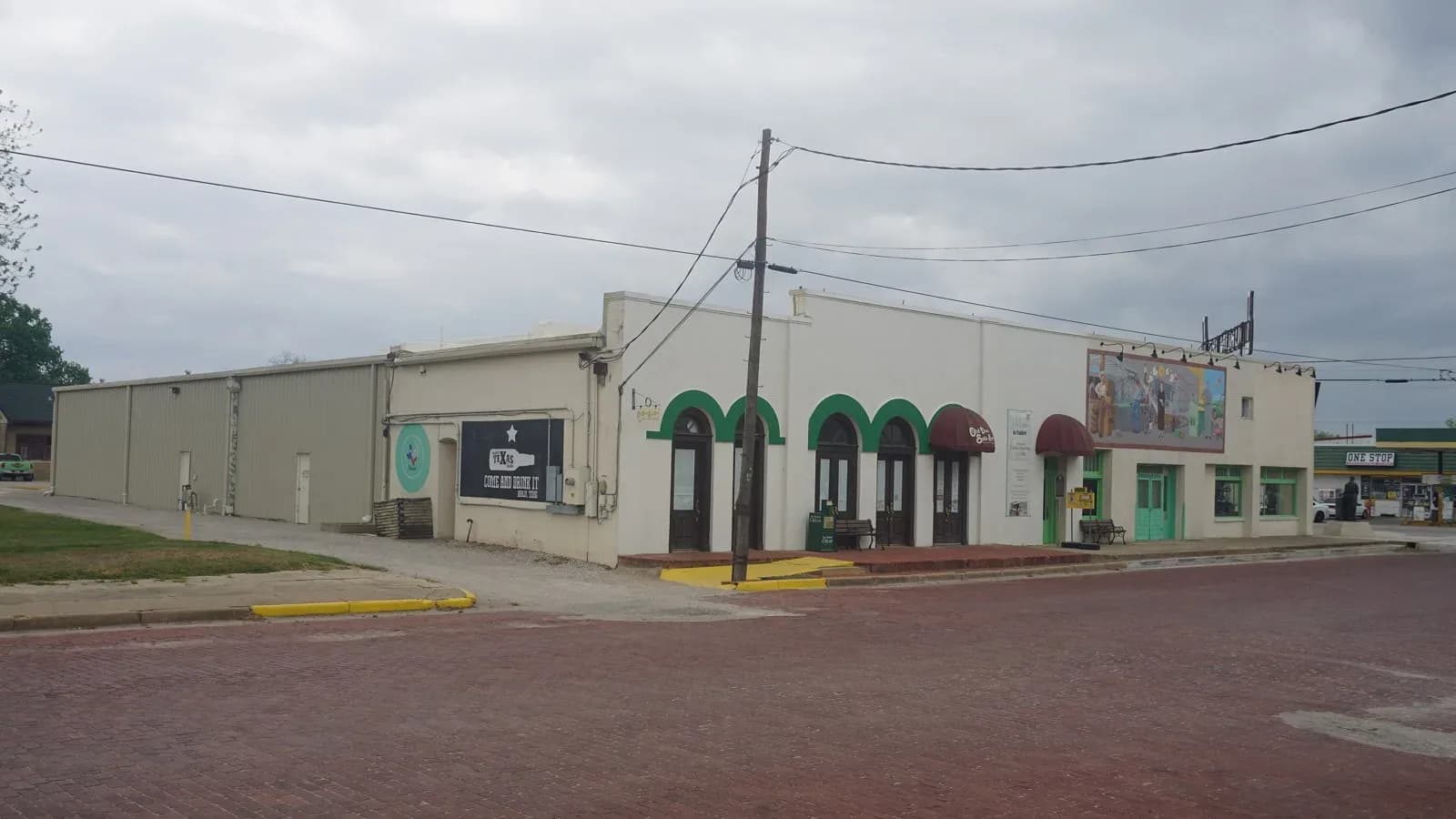
The Dublin Bottling Works building still stands downtown as a local landmark. A 2022 photograph of the brick plant is kept on Wikimedia Commons for anyone who wants to see the old soft-drink works that put the town on many travelers' maps.
City Hall today
City Hall is at 213 E. Blackjack St., Dublin, Texas 76446, according to the city's contact page. The phone is (254) 445-3331. The email listed there is [email protected].
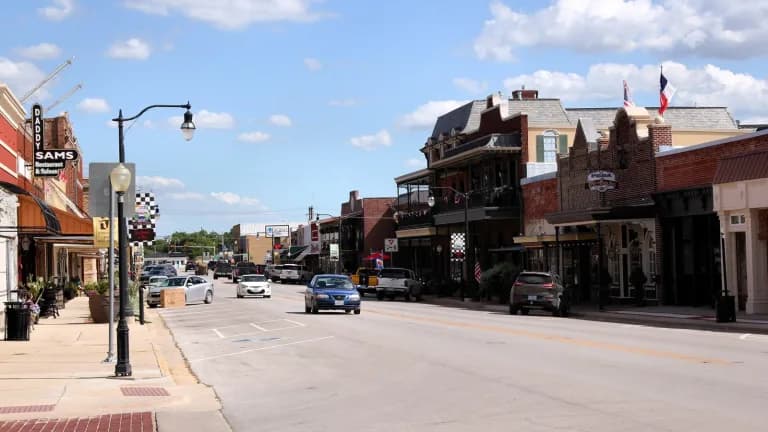
Highway 67 and Highway 377 still carry traffic through town the way the stagecoach and the Texas Central once did. The work has changed. The small-town spine has not.
Visitors who stop for the bottling works, the city park or a round of golf at the local course are walking the same grid Bishop laid out when the railroad forced the town to move. That is local history you can still see.
Our view
A place that moved its depot, laid streetcar tracks and raised Ben Hogan did not get there by waiting for someone else to build it. Dublin's story is railroads, hard work and hometown pride. That is worth a stop on the way through Erath County.
Hero photo: The Dublin Bottling Works building in Dublin, photographed in April 2022. Photo: Michael Barera / Wikimedia Commons, CC BY-SA 4.0.