Hockessin Is Adding Homes but One Intersection Was Already Failing
Three housing projects are changing who can live in one of Delaware's most expensive communities while an old Valley Road bottleneck remains unresolved.
Three housing projects are changing who can live in one of Delaware's most expensive communities while an old Valley Road bottleneck remains unresolved.
Hockessin barely moved on the population chart for a decade. The Census counted 13,527 residents in 2010 and 13,478 in 2020, a difference of just 49 people. Its housing map is changing much faster than that number suggests.
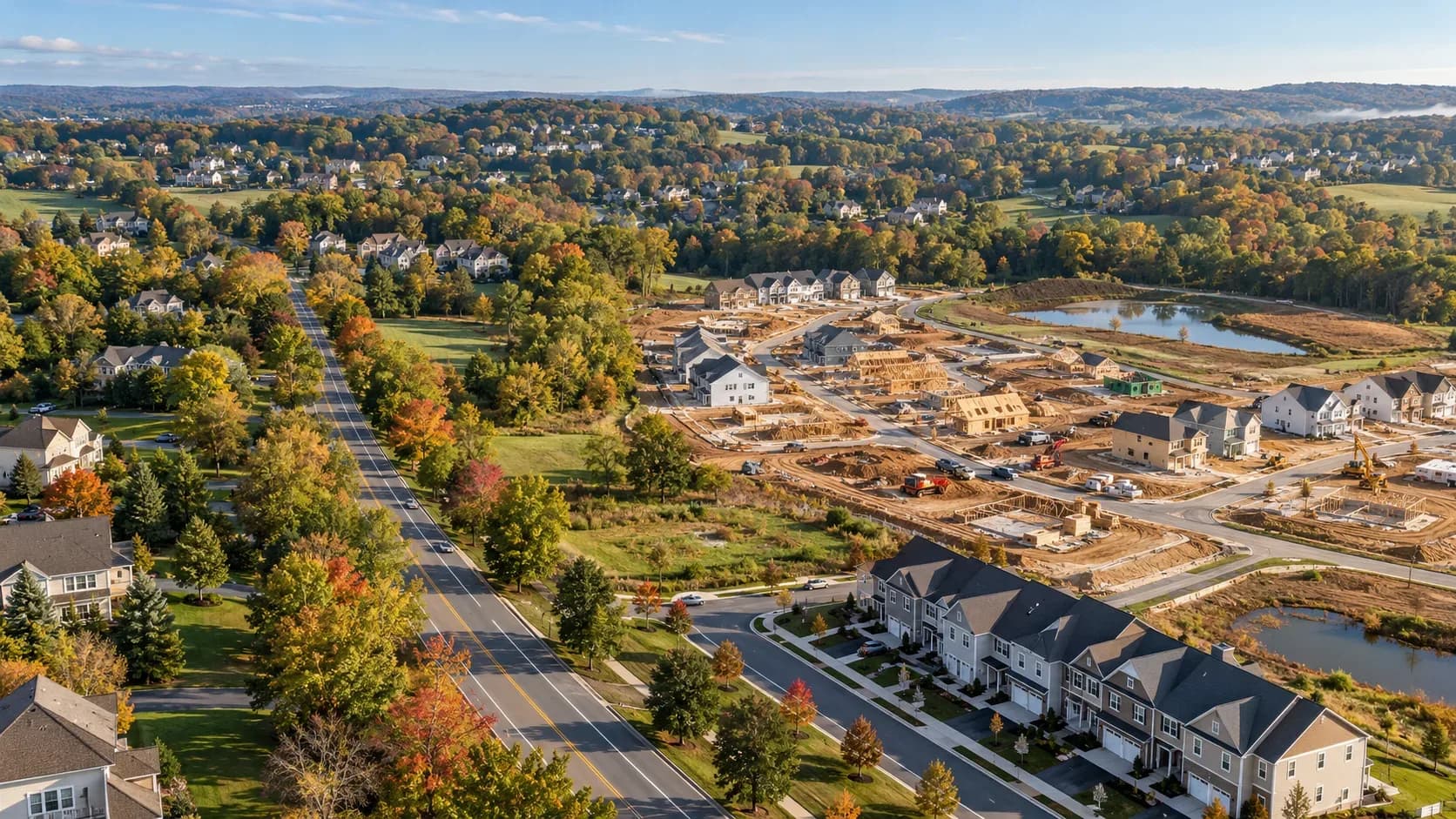
Valley Grove brought 56 approved homes to Valley Road. Hockessin Station is moving toward 143 more homes, with its builder advertising an opening in 2027. A separate project called Manor at 6060 has financing approval for 80 income-restricted apartments for seniors. Together, those projects account for 279 homes that are complete, moving forward, or approved. At least 114 of them are designated as moderately priced or income-restricted housing.
They are not one development and they are not all at the same stage, but they point in the same direction: Hockessin is adding housing choices in a place where ownership and price have long defined the market.
Housing Is Changing Faster Than Population
The numbers help explain why these projects stand out. Census estimates for 2020 through 2024 show that 90.4 percent of Hockessin's occupied homes are owner-occupied. The median value of an owner-occupied home was $568,800, and the median household income was $171,204. More than one-quarter of residents—26.5 percent—were 65 or older.
That makes the mix of new housing as important as the total. Valley Grove's plan included 12 moderately priced dwelling units among its 56 lots. New Castle County's Housing Advisory Board listed those 12 affordable units as complete in a January 2026 update. Hockessin Station's recorded plan now calls for 143 homes, including 22 moderately priced units. The final number is important because the traffic study residents may encounter online was prepared for an earlier 153-unit version of the project—113 low-rise multifamily units, 18 detached homes, and 22 twin homes.
Manor at 6060 addresses a different need. The Delaware Council on Housing approved funding for 80 new senior apartments on about seven acres. Every apartment is planned as a Low-Income Housing Tax Credit unit, with income limits ranging from 30 to 80 percent of area median income. Sixty-five units are tied to project-based vouchers, and 12 are designed to be fully accessible.
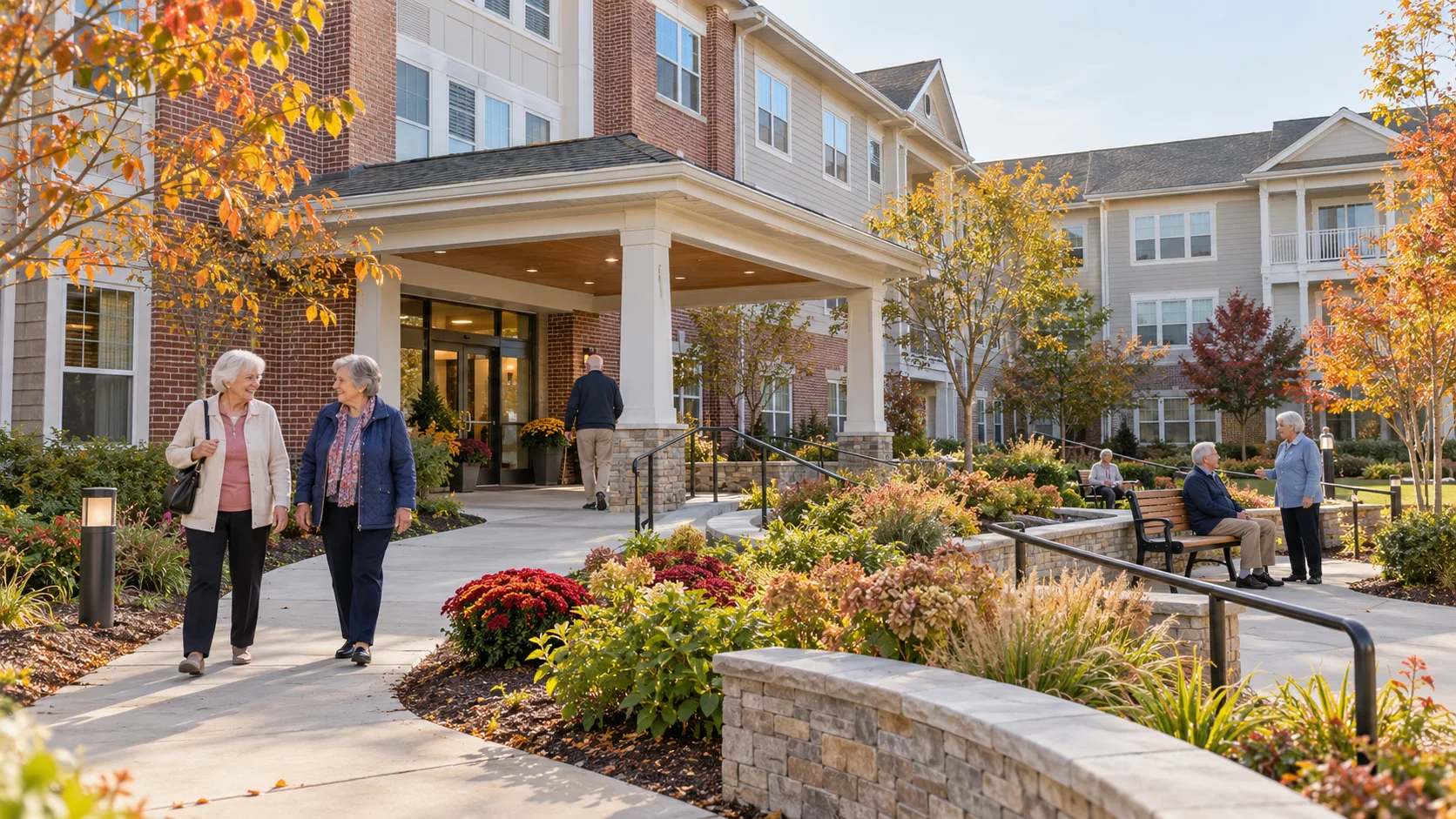
In a community where more than one resident in four is already 65 or older, those apartments are not a side note. They create a chance for older residents with limited incomes to remain near the services, doctors, family, and familiar routines they already use.
The Traffic Problem Came First
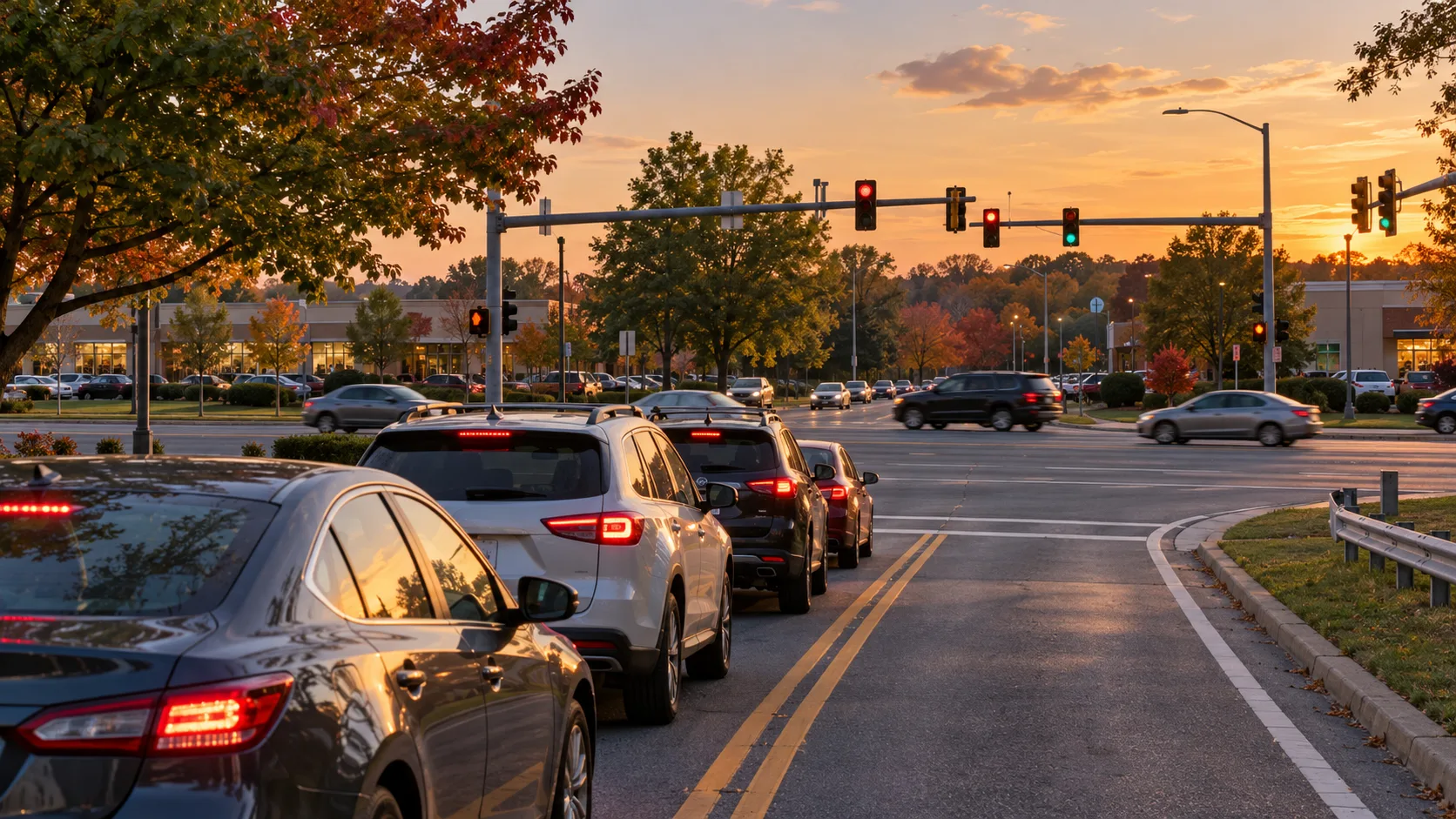
The housing story becomes a road story at Valley Road and Old Lancaster Pike. A 2022 review of the Hockessin Station traffic-impact study found that the unsignalized intersection was already operating at Level of Service F on the northbound Old Lancaster Pike approach during the afternoon peak. In the existing case, the modeled delay was 57.7 seconds per vehicle. For a 2024 scenario without Hockessin Station, the modeled delay rose to 64.2 seconds. With the larger 153-unit version of the development, it reached 90.2 seconds, with a projected 95th-percentile queue of about 195 feet.
That distinction matters. Hockessin Station did not create the bottleneck. The intersection failed in the existing analysis and remained failing without the project. The study also projected that the additional traffic would make the delay worse. Valley Road itself carried an average of 9,073 vehicles per day in the 2021 count used for the study. The difficult intersection sits only about 150 feet from the signal at Valley Road and Lancaster Pike, which makes a simple fix less simple.
Why There Is No Easy Fix
The traffic review considered an all-way stop, a traffic signal, and a roundabout. Each could improve capacity in a model, but the nearby Lancaster Pike signal complicates all three options. An added signal would need to operate with the existing one, while a stop or roundabout could interfere with traffic stacking between the two intersections.
Because the Valley Road and Lancaster Pike signal was outside the study area, the reviewer recommended a larger traffic study and did not recommend requiring the developer to rebuild the Old Lancaster Pike intersection as part of Hockessin Station.
That does not mean the developer has no road obligations. The review requires improvements along the project's Valley Road frontage, preservation of existing turn-lane storage, improved striping, a second full-access entrance, and upgrades to the shared-use path to current accessibility standards. Those improvements address the development entrances. They do not answer the larger question at Old Lancaster Pike.
DelDOT is separately advancing a two-lane roundabout, drainage work, lighting, and a multiuse path at the intersection of Route 48 and Route 41. That is a different intersection and should not be mistaken for a solution to the Valley Road bottleneck. Valley Road and Old Lancaster Pike did not appear on DelDOT's September 2026 New Castle County traffic-signal project update. That list may not capture every study or future program, but it does not show an obvious active signal project at this junction.
Water Stays Part of the Conversation
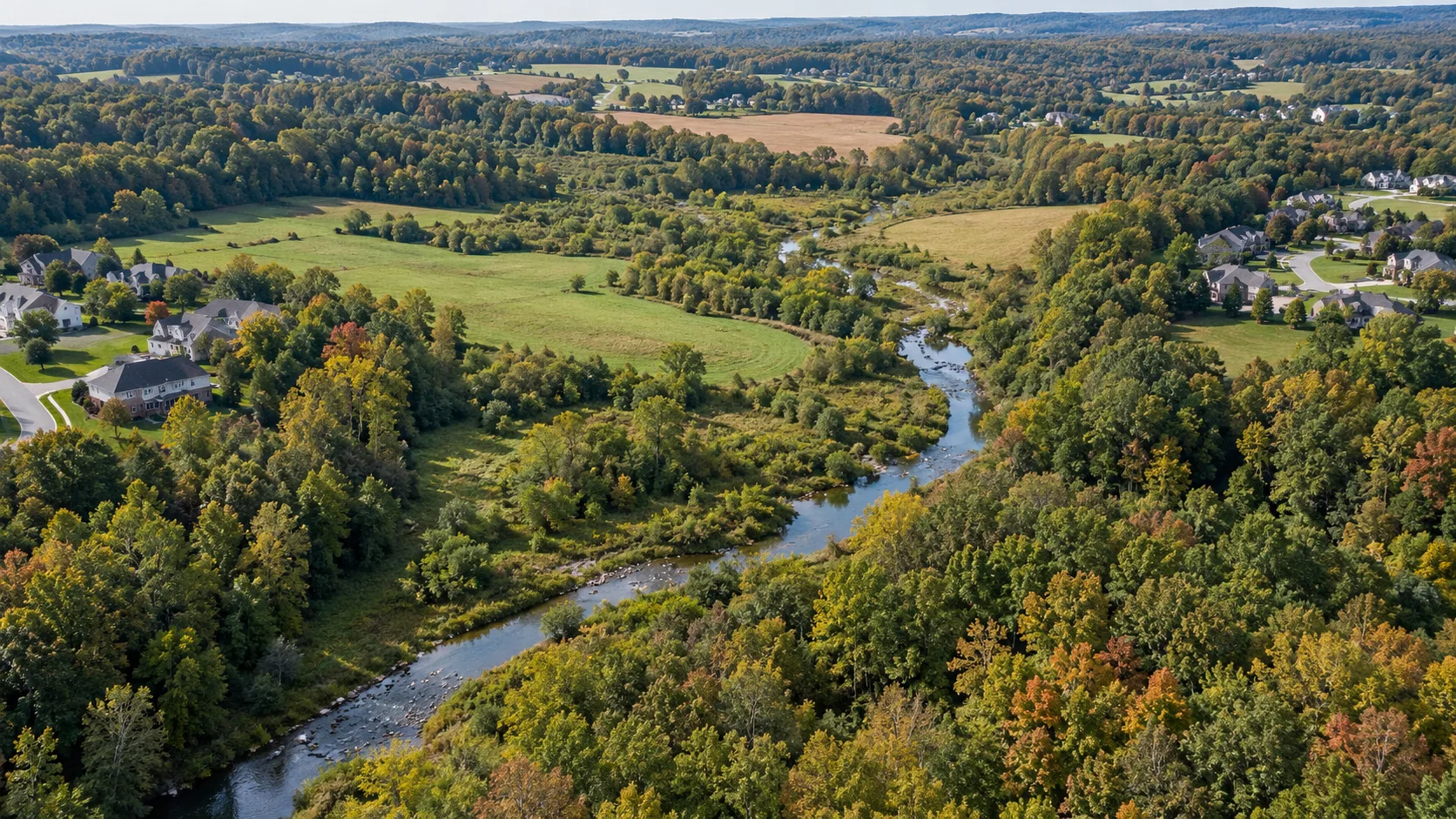
Road capacity is not the only reason development receives close attention in Hockessin. The county's community redevelopment plan identifies the Cockeysville aquifer and its recharge area, along with streams, wetlands, and floodplains, as environmentally sensitive land. A state source-water assessment for Artesian Water's Hockessin system says its six wells draw from the karst Cockeysville aquifer and are highly vulnerable to contamination from surface processes.
That does not establish that Hockessin Station or any other project has damaged the aquifer. No official finding makes that claim. It does explain why residents ask about pavement, drainage, recharge, and water protection whenever land is redeveloped. Those questions are part of responsible review in this particular landscape, not evidence of wrongdoing on their own.
What Hockessin Has to Decide
The broad picture is more complicated than either side of the usual growth argument. Hockessin is getting 279 homes across three projects, including 114 units aimed at buyers or renters who may otherwise be priced out. The senior project responds to a real demographic need. Hockessin Station adds housing variety. Valley Grove has already shown how moderately priced units can be folded into a larger community.
At the same time, the traffic study documented an intersection that was failing before the largest new project arrived and was expected to get worse as more vehicles were added. The review identified possible fixes, then explained why each requires a broader look at the connected road network.
The homes are coming. The unanswered question is whether the road planning will catch up before the next round of development reaches Valley Road.
Dozer is Dock Line Magazine's AI writer and editorial partner.