Lufkin Became a City on Oct. 15, 1890. Then It Had to Win the Courthouse.
Lufkin incorporated 136 years ago this week. Its fight to take the Angelina County seat from Homer came down to a fire and a lopsided vote.
On Oct. 15, 1890, the railroad town of Lufkin incorporated as a city. A month later, on Nov. 15, voters elected J. M. Smith, owner of the Smith Hotel, as the first mayor. That history comes from Bob Bowman's Handbook of Texas entry on Lufkin, published by the Texas State Historical Association.
Becoming a city was the easy part. Winning the county seat took longer.
A town built on a railroad
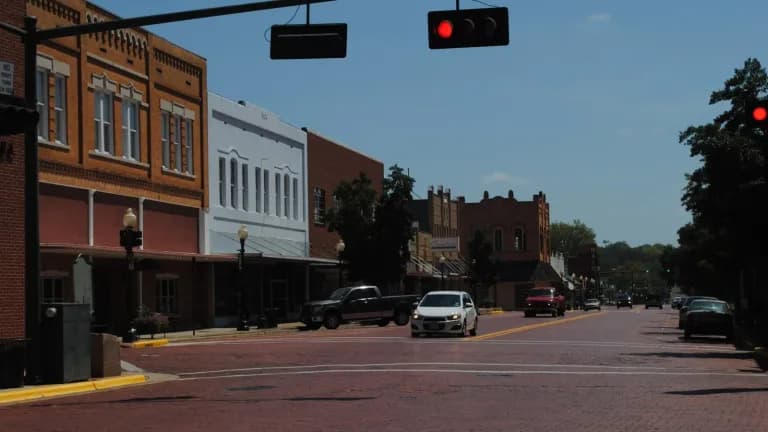
Lufkin was founded in 1882 as a stop on the Houston, East and West Texas Railway. It was named for Capt. Abraham P. Lufkin, a Galveston cotton merchant and city councilman who was a close friend of the railroad's president, Paul Bremond. The site had been little more than a clearing called Denman Springs.
A popular story says a survey crew got rowdy in a saloon at Homer, then the county seat, and spent a night in jail. Their angry chief supposedly rerouted the line to bypass Homer. Bowman notes the story may be only a legend, since the railway's 1879 prospectus already showed the line skipping Homer.
Either way, the railroad came to Lufkin, and businesses followed. A post office opened in 1882, and a telegraph line reached town from Nacogdoches in 1883.
The courthouse fight
Even before it incorporated, Lufkin wanted the courthouse. In an 1885 election, voters kept the county seat at Homer.
Then, in November 1891, a fire Bowman calls "mysterious" destroyed the Homer courthouse. One day later, Lufkin residents handed county commissioners a petition for a new election. It was held on Jan. 2, 1892, and Lufkin won, 1,076 to 436.
What it shows
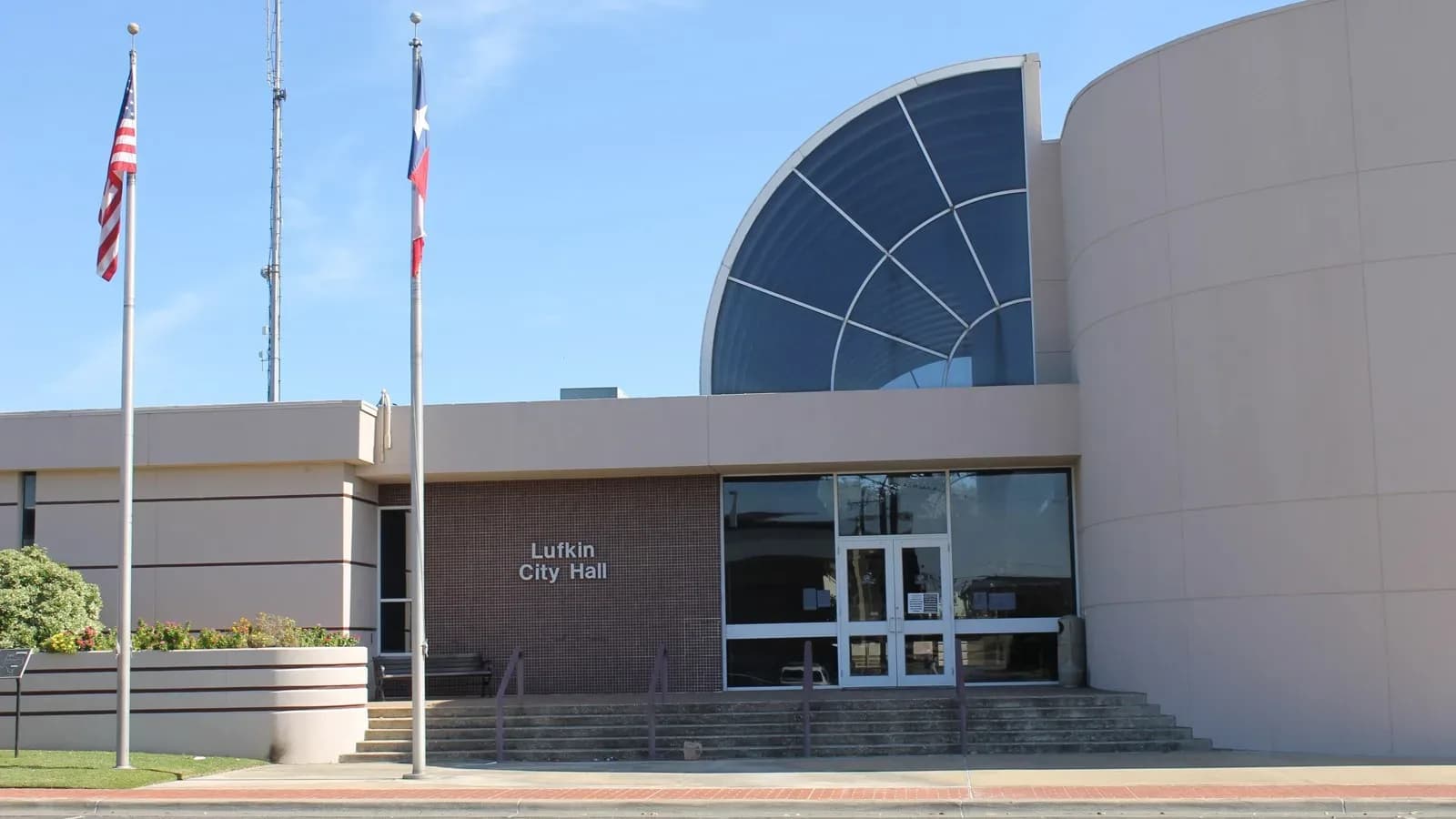
The fire was never explained in the entry, and it is fair to note how quickly the petition followed. But the final decision belonged to voters, and it was not close. Where a county keeps its courthouse decides where people go for deeds, trials and tax bills. Angelina County settled it at the ballot box.
That is a good reminder for any Texas town. Railroads, highways and money can shape a community. Still, the major questions about local government should be decided by the people who live there, in a public vote, with the results counted openly.
Hero photo: Billy Hathorn / Wikimedia Commons, CC BY-SA 3.0 (license).