Wimberley's Park Pass Revenue Climbs 40% as Parks Beat Budget
A price increase pushed Wimberley's half-day park pass income to $851,442 and parks revenue past expenses, while tourism revenue rose 23%. The community center still lost money.
Wimberley charged more for park passes this past year, and its parks department finished the year with revenue well above expenses.
At the Oct. 15 Wimberley City Council meeting, the city's tourism and parks directors gave their annual reports, the Hays Free Press reported. The council took no action. Both reports were updates only.
Higher prices, more revenue
Parks Director Erica Flocke said the number of half-day passes sold dipped 1% from fiscal 2025. Because of a price increase on those passes, though, the income they brought in rose 39.6%, to $851,442. The department also sold 402 seasonal passes for $46,244 and brought in $45,729 in merchandise sales.
Overall, parks revenue came in higher than expected at $1,167,625, and expenses came in lower than expected at $841,115. By our math, that leaves revenue about $326,500 above expenses.
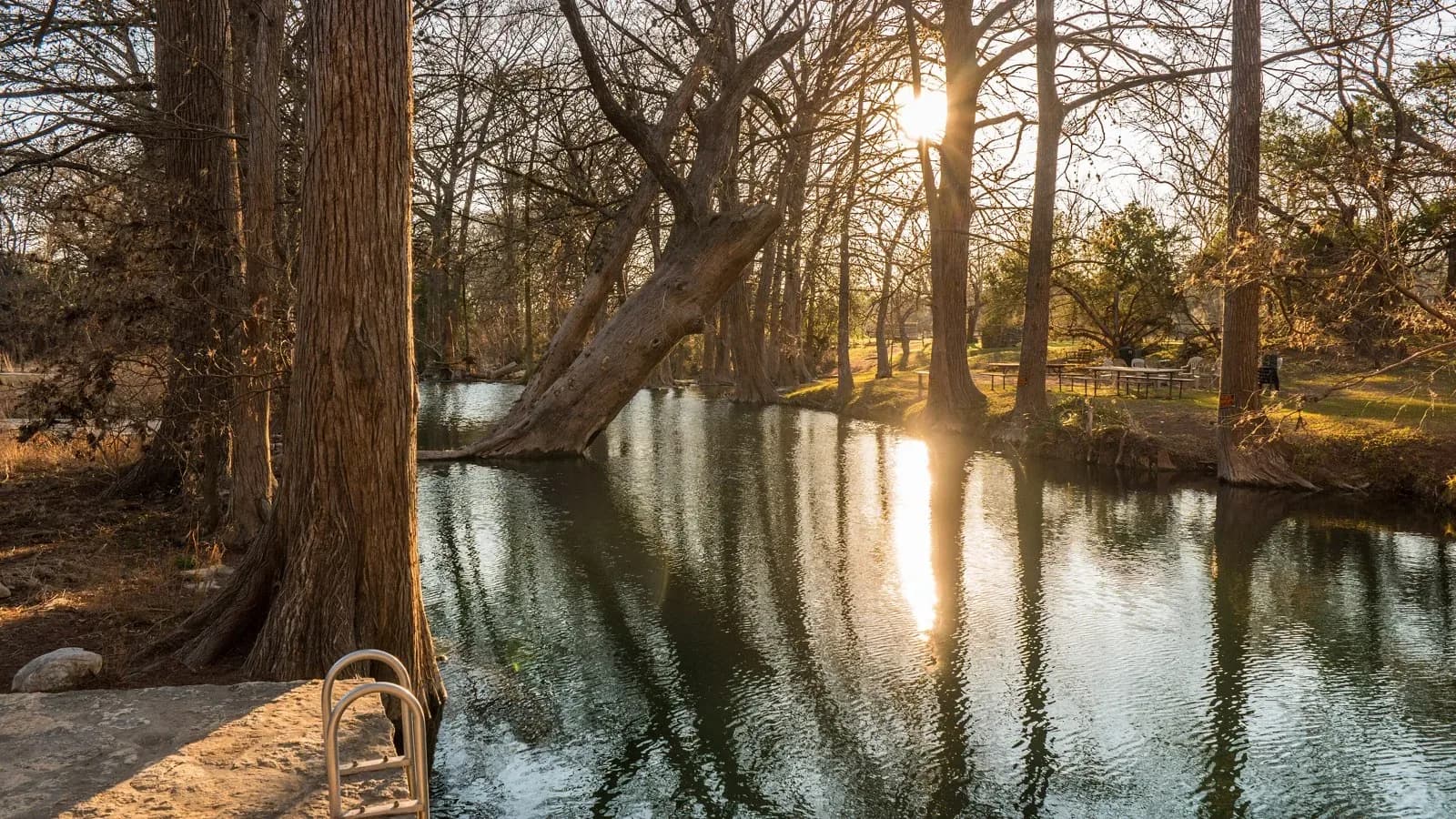
The weather cooperated. Only 10 swim slots were canceled for weather, and there were no closures due to water levels. According to the report, most Blue Hole visitors come from South Austin, but the park drew people from at least 47 countries during the year.
The department manages 145 acres of parkland at eight sites inside the city, including Blue Hole Regional Park, Cypress Creek Nature Preserve, Old Baldy Park and the Wimberley Community Center. It averages 65,000 swimmers a year and runs more than 60 programs and events. Four managers, 10 year-round employees and 21 seasonal workers do the work.
The community center loses money
Not every part of the department pays its way. The community center's expenses came in slightly under budget at $238,759, but its revenue also fell short, at $72,731 against the $85,000 budgeted. The parks budget absorbed the roughly $166,000 loss.
Flocke listed several challenges: limited ways to raise revenue, competition from free public spaces, aging infrastructure at the community center, and heavy weekend crowds that strain maintenance, restrooms and a small staff. The maintenance and natural resources crew has just three employees.
Camp enrollment was also down. Blue Hole Nature Camp was 86% full and Wimberley Summer Camp was 47% full. Spring Break Camp filled up but served only 20 children.
For fiscal 2027, Flocke said she expects recommendations from a new Community Center Evaluation Committee, which is studying how to raise revenue and what the building's future should be. She also expects an aquatics feasibility study to return to the council, and a new playground at Martha Knies Community Park is due in November.
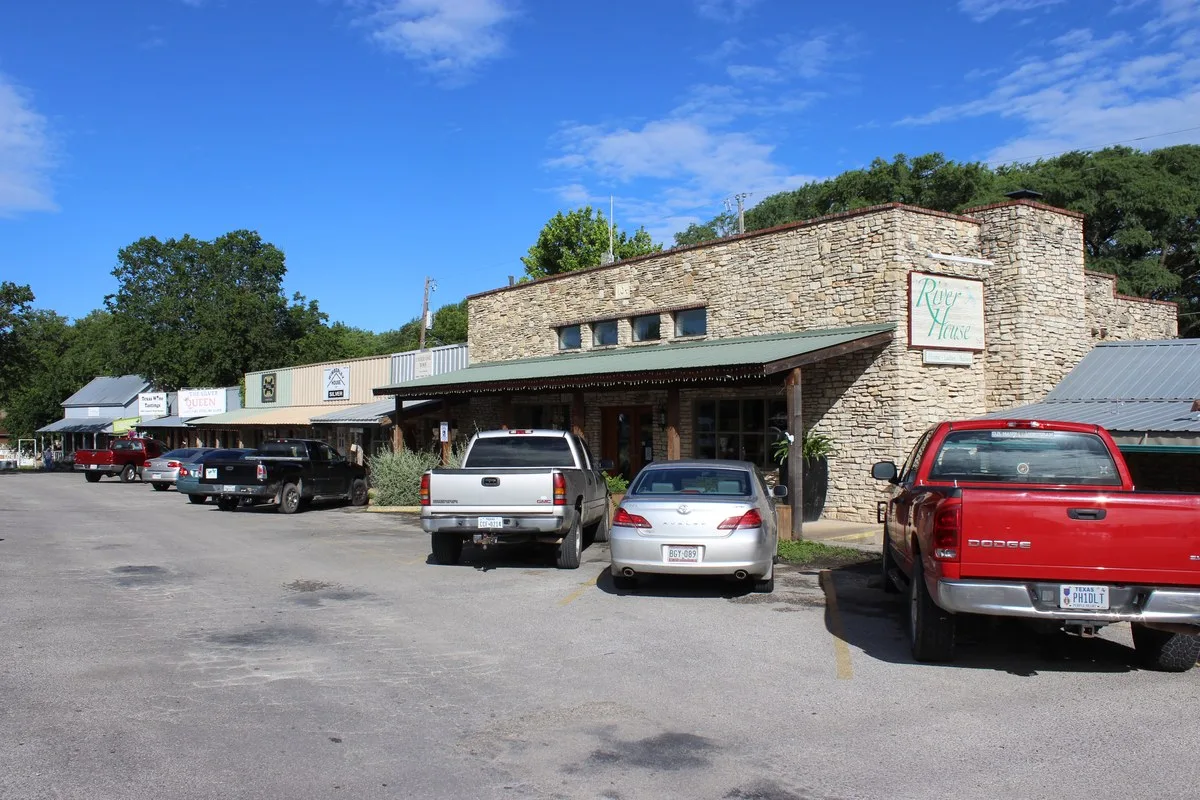
Shops in downtown Wimberley in June 2015. Photo: Travis K. Witt / Wikimedia Commons, CC BY-SA 4.0.
Tourism revenue up 23%
Tourism Director Michele Woods reported total net revenue of $854,000 for fiscal 2025-26, up about $157,000, or 23%, from the year before. She said the gain reflects both stronger tourism and behind-the-scenes work on how the city collects and keeps its hotel occupancy tax.
At the start of 2026, the department reviewed the city's hotel occupancy tax accounts to find the ones that were behind. About $40,000 in back taxes was collected, and another $100,000 has been flagged as outstanding. The department is working with the city attorney to collect it.
The department also renegotiated its contract with HdL Companies, bringing the cost down from about $144,000 last year to about $56,000 this year. By our math, that is a savings of roughly $88,000. Council members congratulated the department.
Woods said the Stars, Stripes and Wimberley Nights program pushed net hotel tax revenue up about 27% in both July and August. For 2027, her priorities are adopting the Placer.ai visitor-data tool, improving the visitor experience and getting more lodging operators to pay their hotel tax in full.
The council meets next on Thursday, Nov. 5.
Our view
This is a good report for Wimberley. When the people who use a service pay for it, local residents do not have to carry it on their property tax bills. The parks numbers show a small city can charge fair prices to visitors who come from across the region and around the world. Chasing down unpaid hotel taxes and cutting a contract by more than half are the kind of careful stewardship taxpayers should expect.
The community center deserves an honest answer from the new committee. A building that loses about $166,000 a year should either earn more or be run differently. Other Texas cities face the same questions about hotel tax dollars and park spending, from Round Rock to Victoria.