

A Pastor Called a Sacred Ceremony Idolatry. Now Tribes Want Her Gone. Truth Needs Love.
Tribes on Wyoming's Wind River Reservation want pastor Sarah Lucas to leave after she preached against the Arapaho Sun Dance. She owns the land and says she is staying.
On the Wind River Reservation in Wyoming, a small church holds services every Sunday while protesters stand outside asking its pastor to leave. The fight began with one sermon in July, and it has turned into a test of religious freedom, tribal authority and how Christians should speak about other faiths.
The sermon
On Sunday, July 5, as the Northern Arapaho Tribe marked the last day of its Sun Dance ceremony, pastor Sarah Lucas of Foundations for Nations Church preached against the ceremony and its use of a sacred pipe, NPR reported Thursday.
"A pipe cannot hear your prayers. It's just a piece of material," Lucas said in a recording of the sermon. "And the Lord is saying, tear down the idols, tear down the altars."
The video went viral. In the video, Lucas called the Sun Dance "idol worship," The Associated Press reported. "Jesus is the chain breaker. He is the only God that we should be praying to," she said.
The response
The Northern Arapaho and Eastern Shoshone tribes, which share the reservation, have said Lucas is not welcome. In July their councils passed ordinances requiring religious groups to get approval before operating on Wind River, the AP reported. As a result, the church has stopped picking up and dropping off children on the reservation and suspended its youth programs.
Lucas, who is not Native American, owns the land under her church and says she is staying. Her lawyers with Liberty Counsel, a conservative Christian legal organization, argue that her private ownership protects her from removal. In an Aug. 31 memo, the Arapaho council acknowledged that "jurisdictional limits" likely keep it from regulating church activity on private land, according to the AP.
Lucas told the outlet WyoToday that she was "so sorry that that came off mocking," NPR reported. "However, the word of God remains the same. And I can't apologize for something that I gave my life up for." She told the AP she regrets her sharp delivery but not the message. She told the AP that Sunday attendance has fallen by half from about 150.
Many Arapaho people hear the sermon against a painful history. University of Wyoming historian Jeff Means told NPR that the federal government outlawed ceremonies like the Sun Dance in 1883 and that the suppression lasted until 1978. The AP also found that statistics on the church's fundraising website about addiction and assault on the reservation came from national studies or could not be traced to a verifiable source.
Truth, said in love
Christians cannot pretend that all religions say the same thing. Jesus said, "I am the way, the truth, and the life: no man cometh unto the Father, but by me" (John 14:6). A pastor who believes that, and says it, is doing what pastors are called to do. Government has no business deciding which sermons are too sharp to be preached, on a reservation or anywhere else. The tribes' own memo seems to recognize the limits of their authority here.
But the history matters too, and Christians should face it honestly. When the federal government arrested people, fined them and withheld their food rations for practicing their religion, it did wrong. That kind of coercion has nothing to do with the gospel. Faith that is forced is not faith at all. Christians who defend religious liberty for a pastor today should be the first to admit the government once denied it to the Arapaho.
The New Testament also shows how to speak to people of another faith. When Paul came to Athens, a city "wholly given to idolatry," he did not mock what he saw. He began with respect: "I perceive that in all things ye are too superstitious" — words many modern translations render "very religious" — and then he preached Christ (Acts 17:16-31). He told the truth without contempt. Peter told believers to give a reason for their hope "with meekness and fear" (1 Peter 3:15).
Truth and tone are not rivals. A few plain words can preach a whole sermon without wounding anyone. Paul called it "speaking the truth in love" (Ephesians 4:15). Lucas is right to believe Jesus is the only way. Her own apology suggests she knows the delivery hurt that message. And a ministry that asks outsiders for money should make sure every number it publishes is true.
The way forward is not banishment, and it is not silence. It is a church that keeps serving its neighbors, preaches Christ clearly and humbly, and leaves the results to God.
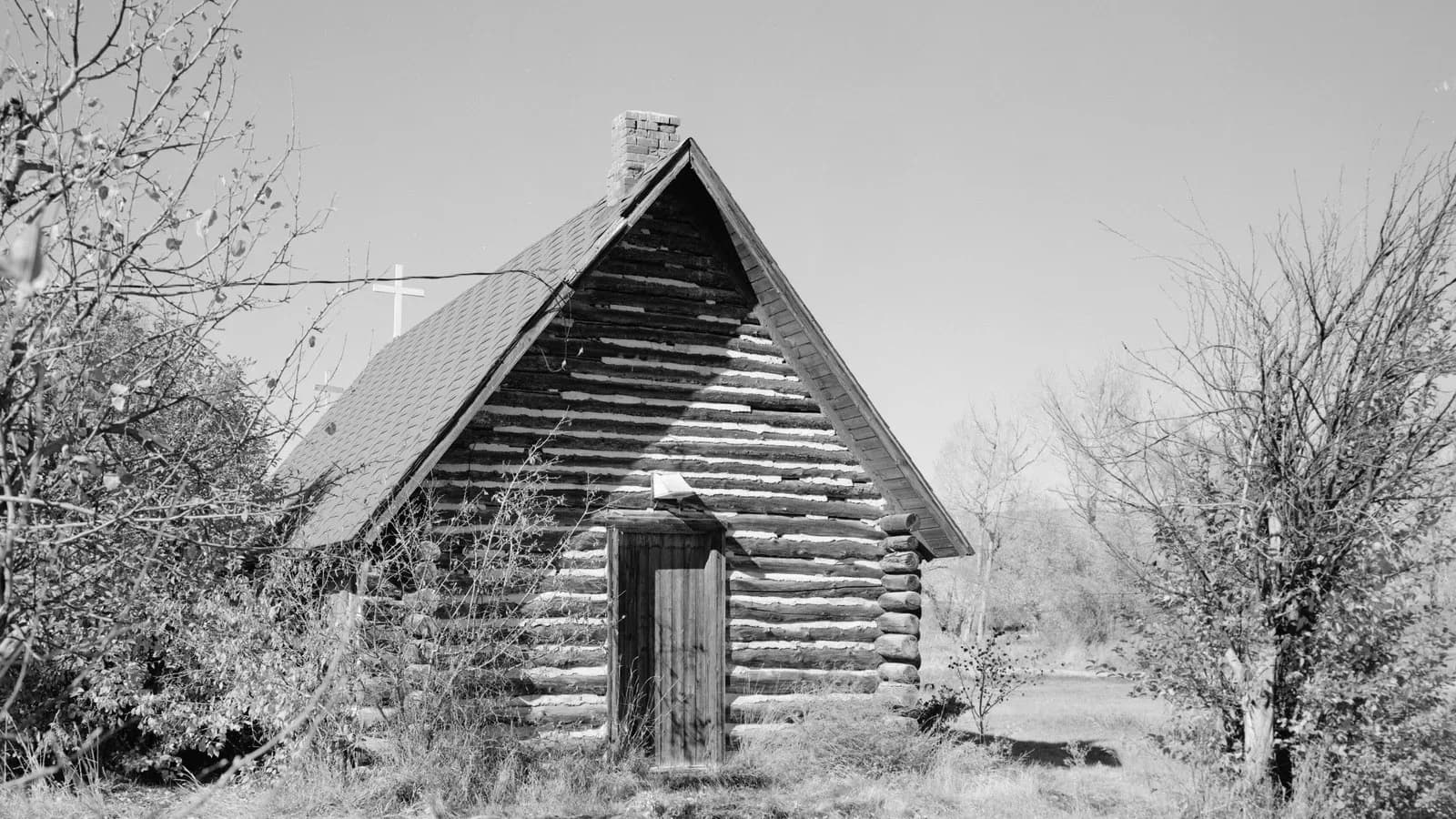
Hero photo: Jack E. Boucher, Historic American Buildings Survey, via Wikimedia Commons, public domain (U.S. government work), cropped and resized.
More Faith Stories
 Yesterday
Trump Cancels the Fort Hood Execution Livestream. Justice Should Be Sober, Not a Show.
 Yesterday
A Pastor Is Charged With Taking $13 Million From His Flock. Asking Questions Is Not Demonic.
 Yesterday