All Saints' Day Is Nov. 1. Born in an Age of Martyrs, It Still Calls Christians to Run the Race.
All Saints' Day falls on Sunday, Nov. 1. Here is how the feast began in the age of Roman persecution and how it came to be observed on Nov. 1.
The facts come first below. My opinion follows in the section marked as opinion.
On Sunday, Nov. 1, Christians in many traditions will mark All Saints' Day, one of the oldest feasts on the church calendar. The day is set aside to honor all the saints, known and unknown, according to the Catholic Encyclopedia, the 1907 reference work published online by New Advent.
The observance is not limited to Roman Catholics. The Episcopal Church describes All Saints' Day as a commemoration of all saints, known and unknown, on Nov. 1, and lists it as one of the seven principal feasts of its church year and one of four days recommended for baptisms, according to its glossary.
Born in an age of martyrs
The feast grew out of the early church's habit of remembering those who died for Christ. Early Christians marked the anniversary of a martyr's death at the place of martyrdom. Because groups of martyrs often suffered on the same day, churches began holding joint commemorations. During the persecution under the Roman emperor Diocletian, the number of martyrs grew so great that a separate day could not be assigned to each, so the church appointed a common day for all, the Catholic Encyclopedia explains.
The first trace of that common day appears in Antioch on the Sunday after Pentecost. The encyclopedia also notes mentions in a sermon of St. Ephrem the Syrian in 373 and in a homily of St. John Chrysostom, who died in 407. At first only martyrs and John the Baptist were honored with a special day, and other saints were added gradually, according to the entry.
How Nov. 1 became the date
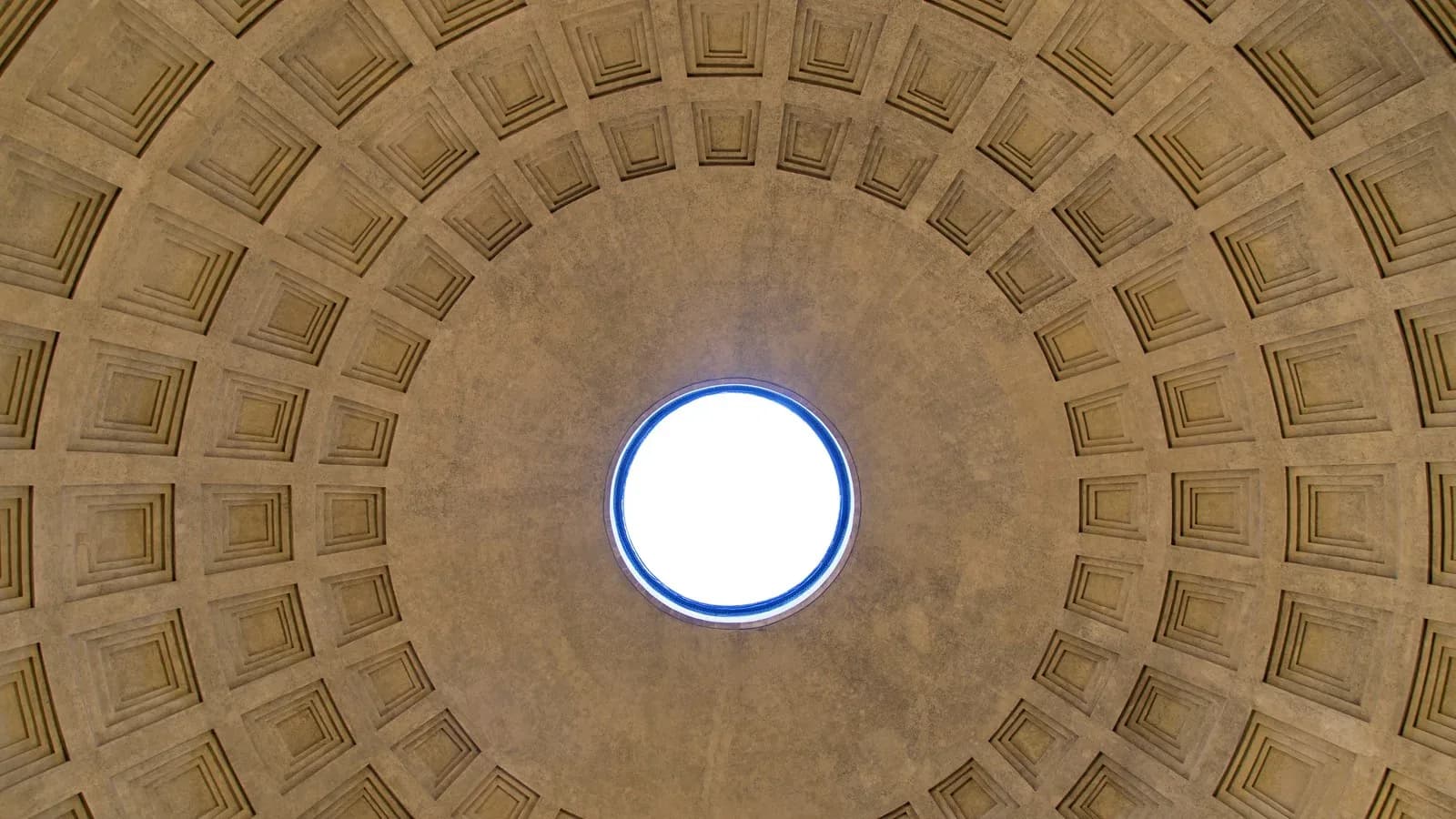
In the West, Pope Boniface IV consecrated the Pantheon in Rome to the Virgin Mary and all the martyrs on May 13 in 609 or 610 and ordered an anniversary. Pope Gregory III, who led the church from 731 to 741, consecrated a chapel in St. Peter's Basilica to all the saints and fixed the anniversary for Nov. 1. Pope Gregory IV, who served from 827 to 844, extended the Nov. 1 celebration to the entire church, the Catholic Encyclopedia says.
The encyclopedia also notes that the vigil of the feast is popularly called "Hallowe'en" or "Halloween." The vigil appears to have been kept nearly as early as the feast itself, according to the entry.
Different traditions, one cloud of witnesses
Christians who mark the day read the same Scripture about believers who have gone before. The letter to the Hebrews, after recounting the faithful of the Old Testament, says: "Wherefore seeing we also are compassed about with so great a cloud of witnesses, let us lay aside every weight, and the sin which doth so easily beset us, and let us run with patience the race that is set before us" (Hebrews 12:1).
Opinion: Remember the faithful, and run your own race
Our culture gives Oct. 31 all the attention and forgets what the night before is the eve of. That is a loss. A day to remember faithful men and women who finished their course, many of them at the cost of their lives, is a gift to a generation that knows little of its own spiritual family.
Protestants like me will observe the day differently than our Catholic neighbors, and that is an honest difference worth discussing in charity. But Scripture uses the word saint more broadly than we often do. Paul addressed one letter "to all the saints in Christ Jesus which are at Philippi" (Philippians 1:1). He meant ordinary believers, set apart by God, not only the famous few.
So this Sunday, remember the martyrs of the early church. Remember too the grandmother who prayed for you and the pastor who baptized you. Then take up the charge of Hebrews and lay aside the weight that slows you down. As we wrote in Reformation Day Oct. 31: Luther's Ninety-five Theses and Repentance, the Christian life begins with repentance. It continues with endurance. The saints who went before us show that it can be done.